

Winter changes everything.
The air turns sharp.
Water slows down.
Surfaces harden.
If you own a pond, an industrial water body, or a tailings pond, winter is not just a season. It is a stress test. The biggest silent risk during cold months is damage to the pond liner.
Many pond owners focus on water levels and ice. Very few think about what is happening under the surface. That is where real damage begins.
At Yooil Envirotech, we have seen liners crack, shift, and fail simply because winter care was ignored. The good news is this damage is avoidable. With the right steps, your liner can stay safe even in a harsh cold.
This guide walks you through winter care in a simple way. No heavy terms. No confusion. Just practical advice that works.
Cold weather brings slow damage. It does not shout. It whispers.
When water freezes, it expands. This pressure pushes against the liner. Soil below the liner also moves during freeze and thaw cycles. Over time, this movement creates stress points.
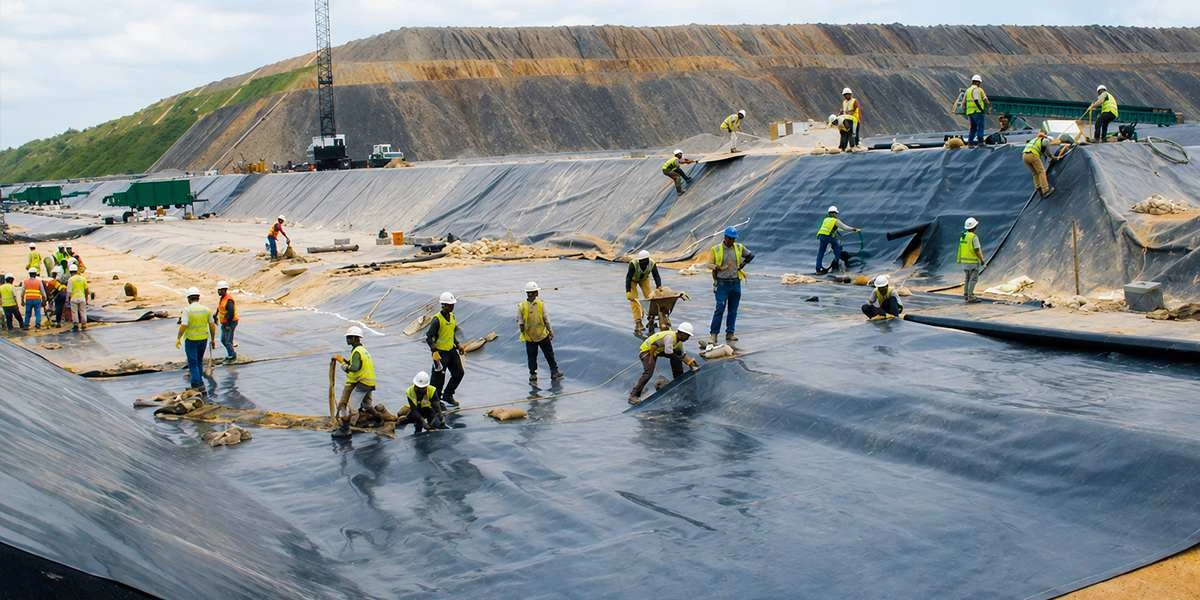
Industrial ponds face even higher risk. The lining of tailings ponds holds waste materials. Any liner failure can lead to leaks, pollution, and costly shutdowns.
Bituminous liners and geo membranes perform well in cold climates. But even the best material needs care.
Ignoring winter protection can lead to
• Cracks
• Wrinkles
• Seams pulling apart
• Early aging
Once spring arrives, the damage is already done.
Before winter arrives, you need to know what protects your pond. Different liners behave differently in cold weather.
Flexible liners adapt better to temperature changes. But they still need support beneath them. Poor base preparation becomes visible in winter.
A bituminous geo membrane is strong, dense, and built for tough conditions. It resists punctures and handles cold well. This makes it ideal for industrial ponds and tailings ponds.
However, even bituminous liners must be installed correctly and inspected before winter.
Rigid liners are more likely to crack under freezing pressure. Extra care is required if you use them in colder regions.
At Yooil Envirotech, we recommend liner solutions based on climate, pond size, and use. Winter performance is always part of our planning.
Think of inspection like a winter jacket for your pond. You do it before the cold hits.
Walk around the pond edge. Look closely. Take your time.
Check for
• Small tears
• Exposed liner edges
• Loose seams
• Soil erosion near the sides
Even small issues grow bigger under ice pressure.
Industrial ponds should also be checked for chemical exposure. Some residues harden liners during cold weather.
Fixing a small issue in autumn saves massive repair costs in spring.
Water level plays a major role in liner safety.
Too much water increases ice pressure.
Too little water exposes the liner to cold air.
The goal is balance.
Lower the water slightly before winter. Not too much. Just enough to allow ice expansion without pulling on the liner edges.
For tailings ponds, controlled water levels reduce stress on the lining of tailings ponds and help maintain slope stability.
Never drain completely unless advised by a professional. A dry liner in freezing air becomes stiff and weak.
Ice is heavy. Ice is powerful.
When ice sheets expand, they push outward. This pressure travels directly to the liner.
• Avoid sharp objects in the pond
• Remove floating debris before freezing
• Use aeration systems where possible
• Prevent thick ice buildup near edges
Aeration keeps water moving. Moving water freezes slower. This reduces pressure on the liner.
In large industrial ponds, mechanical ice control systems help protect the pond lining during long winters.
Most liner damage starts at the edges. The edges are where the liner meets soil. This area faces the most movement during freeze and thaw.
• Add soil cover where liner edges are exposed
• Use protective mats or stones carefully
• Avoid heavy equipment near frozen edges
For industrial sites, anchor trenches must be checked before winter. Loose anchors can pull the liner when soil shifts.
A well secured pond lining stays stable even when the ground moves.
Winter Care for Industrial and Tailings Ponds
Winter is especially critical for mining and industrial sites.
The lining of tailings ponds protects groundwater and nearby ecosystems. Any winter damage can cause serious environmental risks.
• Regular visual inspections even during winter
• Monitoring liner movement
• Keeping access paths clear for emergency checks
• Ensuring drainage systems stay open
Bituminous liners used by Yooil Envirotech perform well under these conditions. Their weight and structure help them stay in place during freeze cycles.
Still, human monitoring remains essential.
Avoiding Heavy Loads on Frozen Liners
Frozen ponds look solid. They are not.
Walking or placing equipment on ice transfers weight directly to the liner below.
This can create pressure points. Over time, these points weaken the liner.
• Driving vehicles near pond edges
• Storing materials on frozen pond surfaces
• Allowing uncontrolled foot traffic
Always treat frozen ponds with caution. The liner is working silently below.
Why Professional Support Matters in Winter
Winter liner damage is often invisible until spring. By then, repairs cost more.
Professional support helps you plan ahead.
Yooil Envirotech offers liner solutions designed for long term performance. Our experience with bituminous geo membrane systems helps clients reduce winter failures.
We focus on
• Correct liner selection
• Proper installation
• Seasonal care guidance
• Long term safety
A liner is not just a product. It is a system.
Preparing for Spring While Still in Winter
Smart winter care makes spring easier. When ice melts, inspect it immediately. Look for changes. Address minor issues fast. A Pond liner that is cared for in winter needs fewer repairs later.
At Yooil Envirotech, we believe prevention is always better than repair. Winter care is not about fear. It is about respect for nature, long term safety, and smart planning backed by the right liner solutions.
How does a pond liner react to freezing temperatures?
A pond liner becomes stiffer in cold weather. If not supported well, it can crack or pull at seams. Proper water level control, smooth base layers, and winter inspection help the liner stay flexible and safe throughout freezing conditions.
Why is lining of tailings ponds critical during winter?
The lining of tailings ponds prevents harmful waste from leaking into soil and water. Winter ground movement increases stress on liners. Proper design and winter care protect both the environment and industrial operations from serious damage.
Is bituminous geo membrane suitable for cold climates?
A bituminous geo membrane performs very well in cold regions. It resists cracking, handles pressure, and stays stable during freeze and thaw cycles. This makes it ideal for industrial ponds and tailings ponds facing harsh winters.
What are the common winter risks in pond lining?
Pond lining faces risks like ice pressure, soil movement, exposed edges, and poor drainage in winter. Without proper care, these issues lead to liner failure. Simple preventive steps can greatly reduce long term damage.
How can Yooil Envirotech help protect liners in winter?
Yooil Envirotech provides durable liner systems, expert guidance, and winter ready solutions. From selecting the right material to advising on seasonal care, we help ponds stay secure, safe, and functional even in extreme cold conditions.