

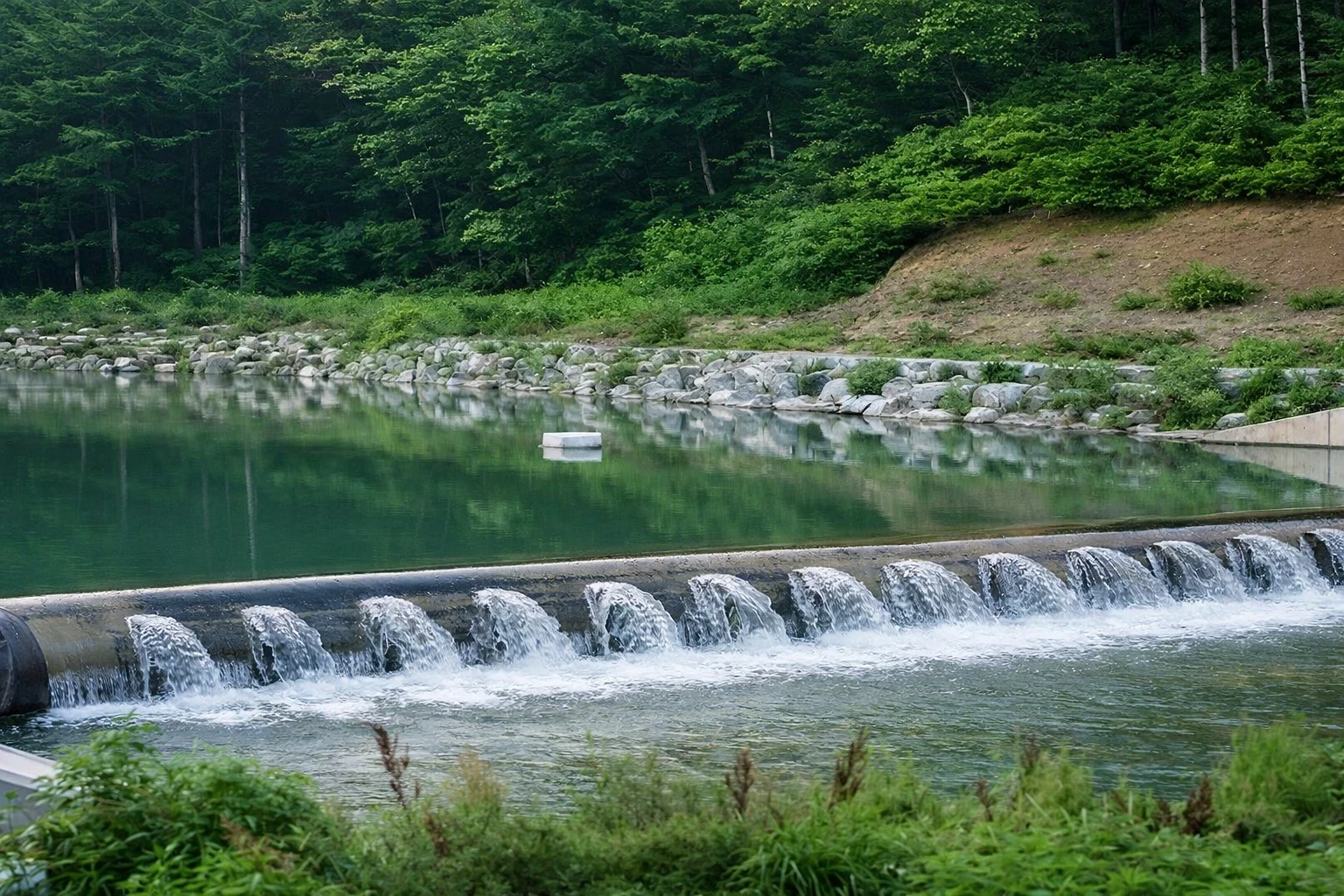
Modern water engineering requires a balance between structural strength and operational flexibility. As a leader in environmental technology, Yooil Envirotech provides high-performance systems that replace rigid, outdated infrastructure. Understanding what is rubber dam in river engineering is starts with recognizing it as a flexible weir. These systems consist of a high-strength, multi-layer rubber body anchored to a reinforced concrete foundation.
By using air or water as an inflation medium, these dams offer a level of control that traditional concrete spillways simply cannot match. This technical guide explores why rubber dams and specialized liners are the superior choice for modern industrial and civil projects.
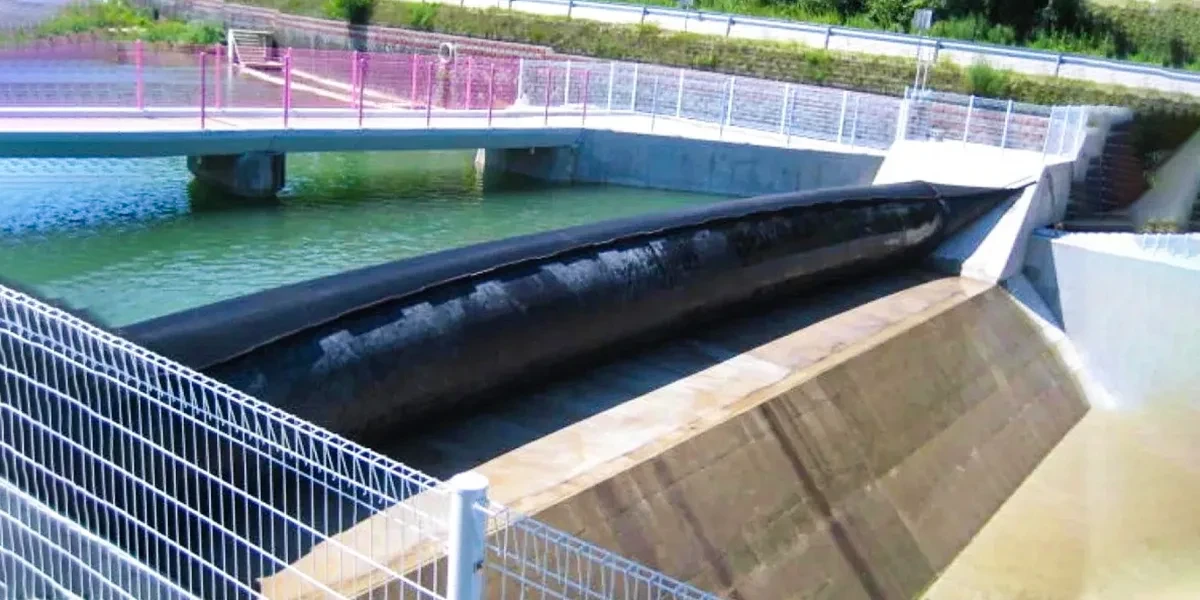
A rubber dam is fixed to a concrete base on the floor of the river. It looks like a flat sheet when it is empty. When we pump air or water into it, the dam rises. This creates a wall that catches water. This water can then be used for drinking or for watering crops. One of the key advantages is that the dam can be inflated or deflated as needed to manage changing water levels.
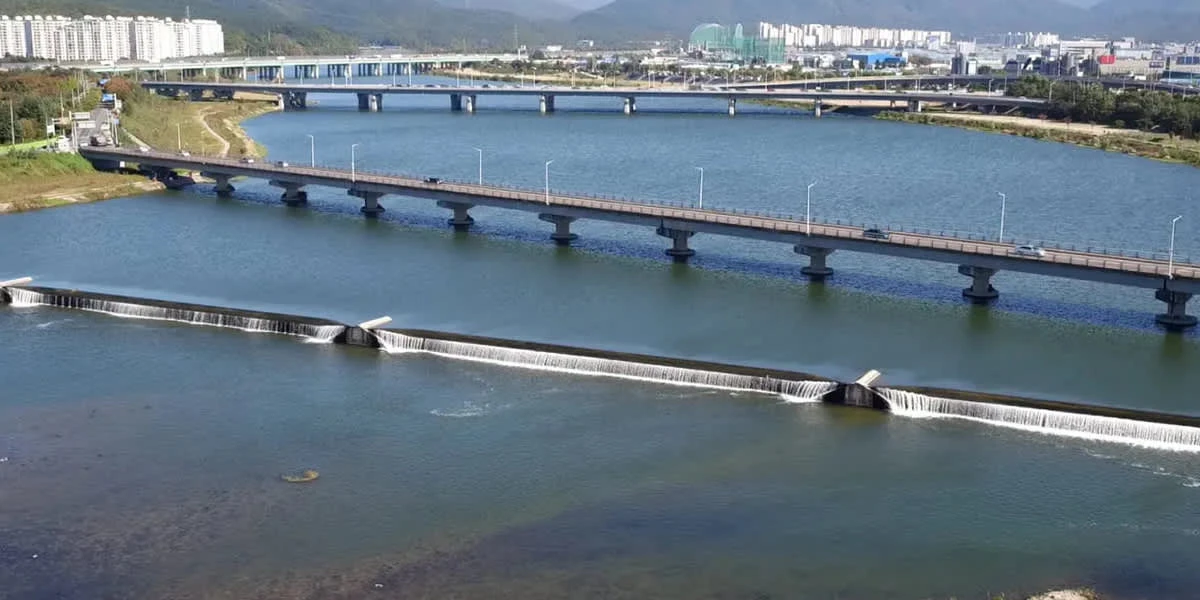
Because these dams are flexible, they do not break like concrete might during an earthquake. They can also handle heavy rain very well. If a flood is coming, the dam can be lowered quickly. This allows the extra water to pass through without causing damage to the land around it.
Traditional dams can be hard on the earth. They take a long time to build and use a lot of heavy materials. Rubber dams are much kinder to our planet. Here are a few reasons why they are a great choice for modern water management.
Building a concrete dam takes years. A rubber dam can be set up in just a few months. This saves money and time. Once it is up, it does not need much work. The materials are made to last for decades without rusting or rotting.
Fish need to move up and down rivers to live and grow. A tall concrete wall blocks them. Since a rubber dam can be lowered, it allows fish to pass through during certain times of the year. This helps keep the river healthy and full of life.
These dams do not use oil or grease that can leak into the water. They are clean and do not smell. Because they are soft, they are also safer for boats or people who might be on the river.
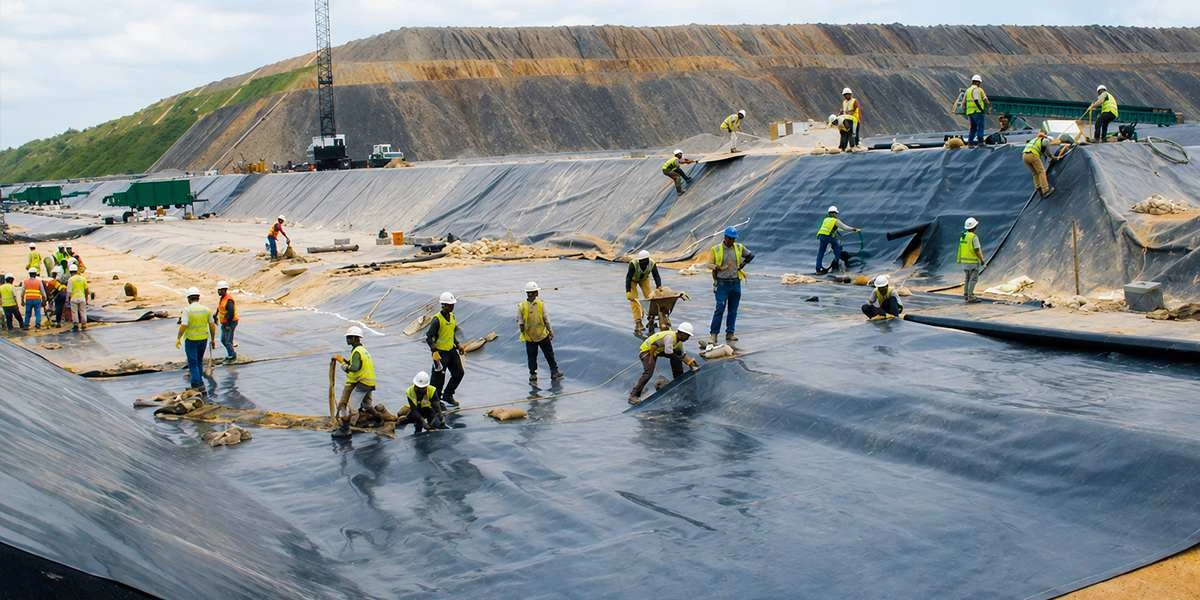
Managing water is not just about rivers. It is also about how we store water and waste on land. This is where high-quality liners come into play. At Yooil Envirotech, we focus on complete water safety.
When managing river water or controlling water flow, it is important to choose the right rubber dam type. Rubber dams are flexible, inflatable barriers that help store, regulate, or release water when needed. Different rubber dam types are designed for different purposes, depending on the location and water conditions.
The two main rubber dam types are air-inflated rubber dams and water-inflated rubber dams. Both serve the same basic function—holding and controlling water—but they operate in slightly different ways. Choosing the correct type ensures better performance, durability, and safety.
Many people ask why they should switch to this technology. While concrete has been used for a long time, the rubber dam offers more control.
For farmers, reliable water control is essential. Choosing the correct rubber dam types can make a big difference during dry seasons. Different designs—such as air-filled or water-filled systems—allow farmers and water managers to maintain stable water levels in rivers and irrigation canals. Among these options, a water inflatable rubber dam is especially useful because it can be quickly inflated to store water or deflated to release it when needed. This flexibility ensures pumps can always access water, helping crops remain healthy even during long periods without rain.
Water management decisions today shape tomorrow’s sustainability. Selecting suitable rubber dam types allows communities to control rivers safely and efficiently. A water inflatable rubber dam, in particular, offers simple operation, durability, and adaptability for irrigation, flood control, and environmental projects.
Yooil Envirotech is dedicated to providing these smart solutions. We believe that technology should be easy to use and good for the earth. If we manage our water well, we ensure a better life for our kids and the planet.
A rubber dam in river settings is a flexible tube used to control water flow. It can be filled with air to block water or emptied to let it pass. This helps in irrigation and preventing floods very effectively.
Using a rubber dam in river paths is very safe. It does not use any harmful oils. Because it is flexible, it handles pressure well. It is also safe for the local fish and the people living nearby.
A water inflatable rubber dam is a flexible barrier installed across a river or channel. It is inflated with water to raise upstream levels and deflated when water needs to flow freely. This system is widely used for irrigation, flood prevention, and groundwater recharge.
The choice depends on river width, flow conditions, required height, and maintenance capacity. Projects that require rapid adjustment may prefer air-inflated systems, while long-term water storage projects often use water inflatable rubber dams for their stability and efficiency.
Yes. These dams are designed to minimize environmental impact. They allow controlled water flow, help prevent sudden flooding, and can be deflated during heavy storms to restore natural river conditions. When properly installed, they support sustainable water resource management.