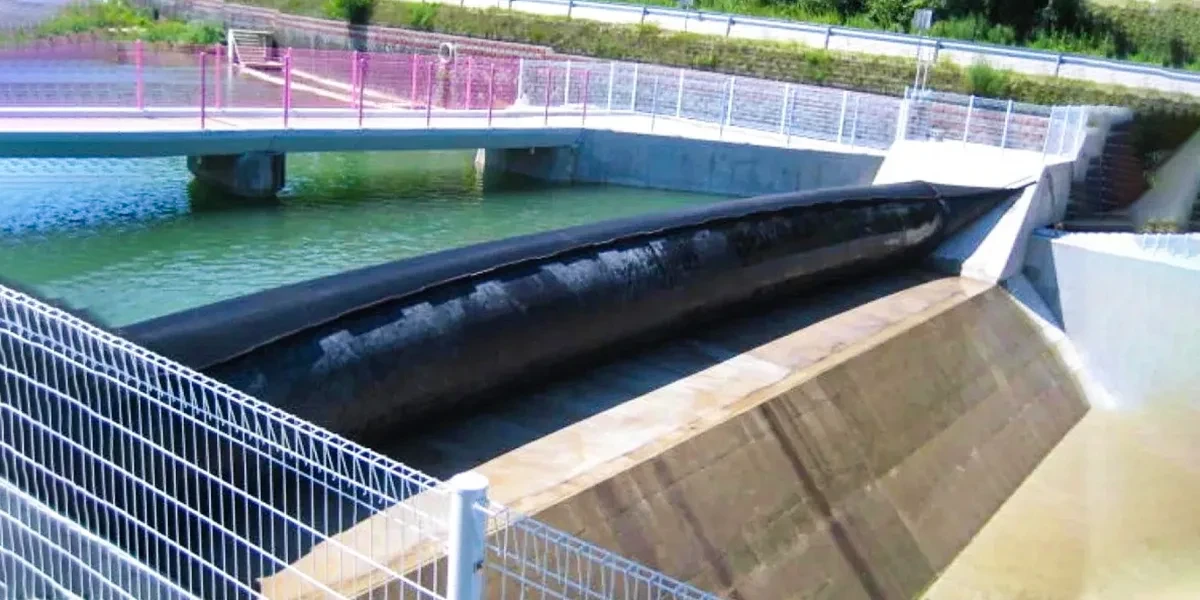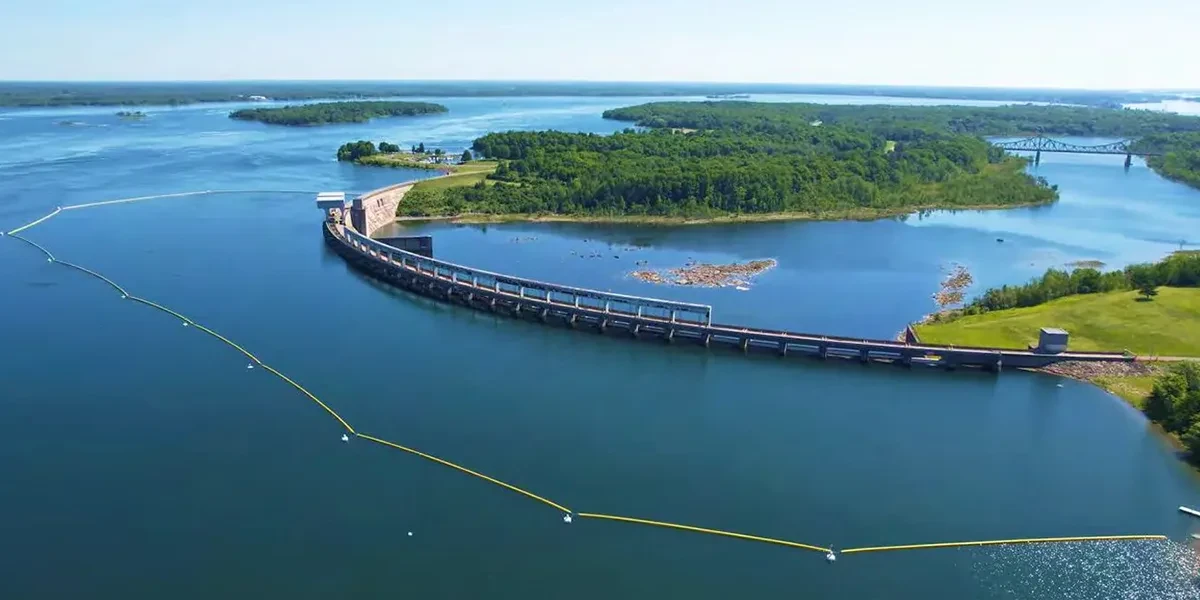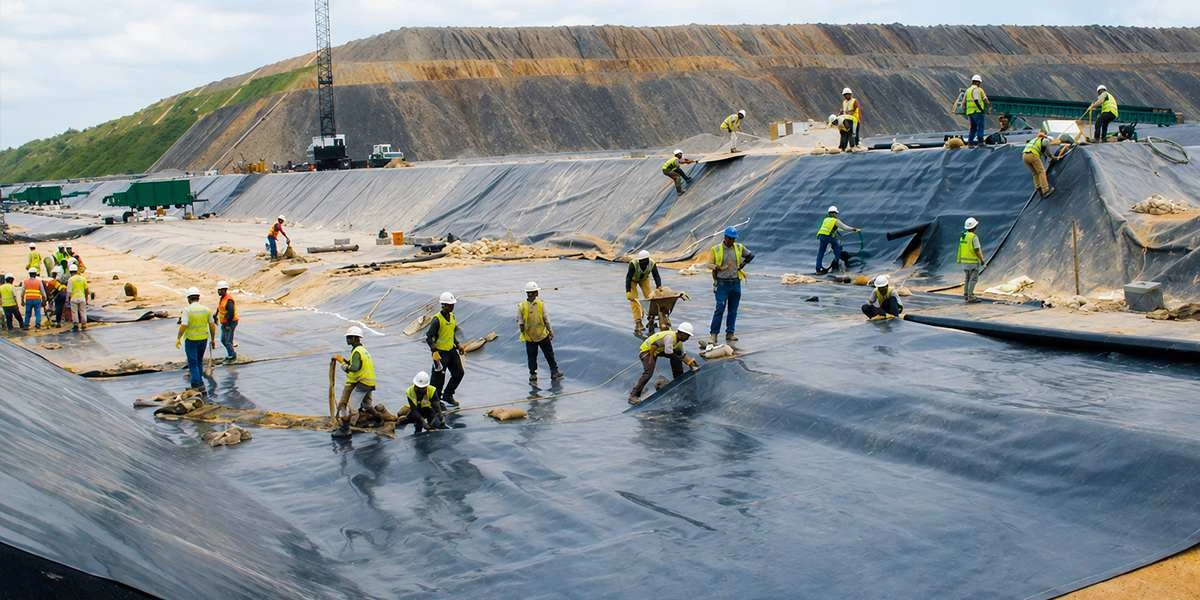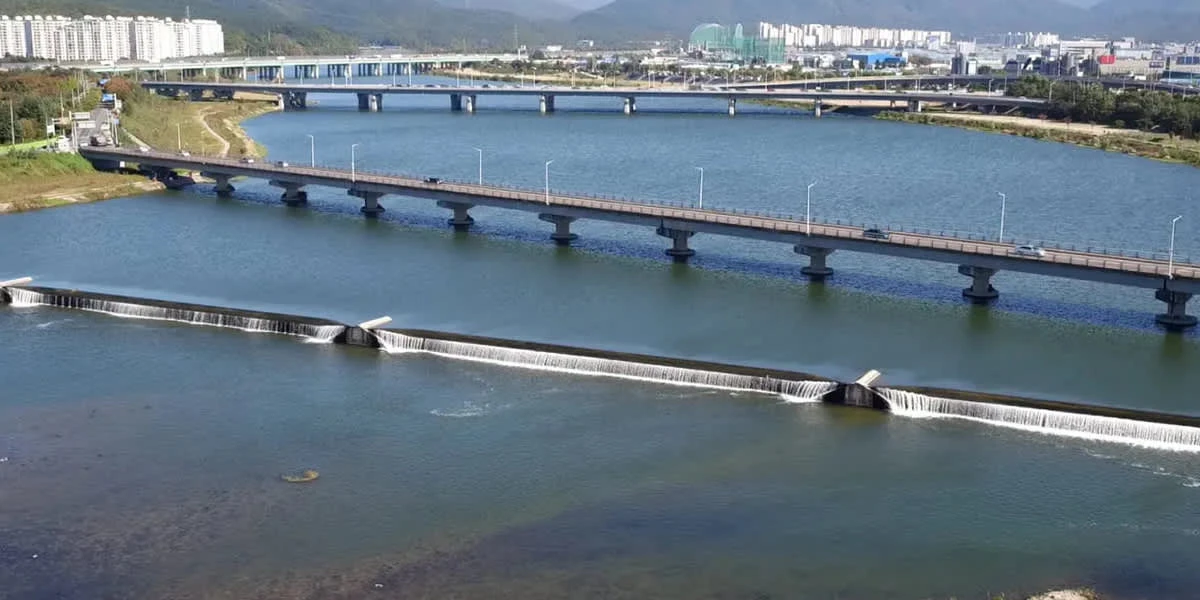


When we build massive infrastructure in India, we are not just fighting gravity; we are fighting the elements. From the scorching sands of Rajasthan to the humid coasts of Kerala, the ground beneath our feet is always changing. For engineers and developers, the biggest challenge is finding a way to stop water seepage and soil pollution that can last for decades. This is where the bituminous geomembrane liner comes into play.
In simple terms, a bituminous geo membrane is a high-tech waterproof sheet. It is made by soaking a strong fabric in a special type of bitumen (asphalt) mixed with polymers. This creates a shield that is much tougher than your average plastic sheet. But how does this geo membrane stand up to India's wild weather? Let us dive deep into the science of climate and liners.
India is famous for its heat. In many states, the surface of the earth can get hot enough to cook an egg. For many thin plastic liners, this heat is a death sentence. They expand, grow soft, and create large wrinkles called "whales." These wrinkles are weak spots where the liner can eventually crack. These impacts reduce the overall performance of the lining system.
A bituminous geomembrane liner handles heat differently. Because it is thick and heavy, it has what scientists call low thermal expansion. It stays flat against the ground. The bitumen used in a bituminous geo membrane is "elastomeric," meaning it stays rubbery and tough even when the sun is beating down on it at 50°C.
When the monsoon rains arrive, the soil undergoes a massive change. Dry, hard earth suddenly becomes heavy and wet. This shift can cause "differential settlement," where one part of the ground sinks more than the rest. A rigid liner like concrete would simply snap under this pressure.
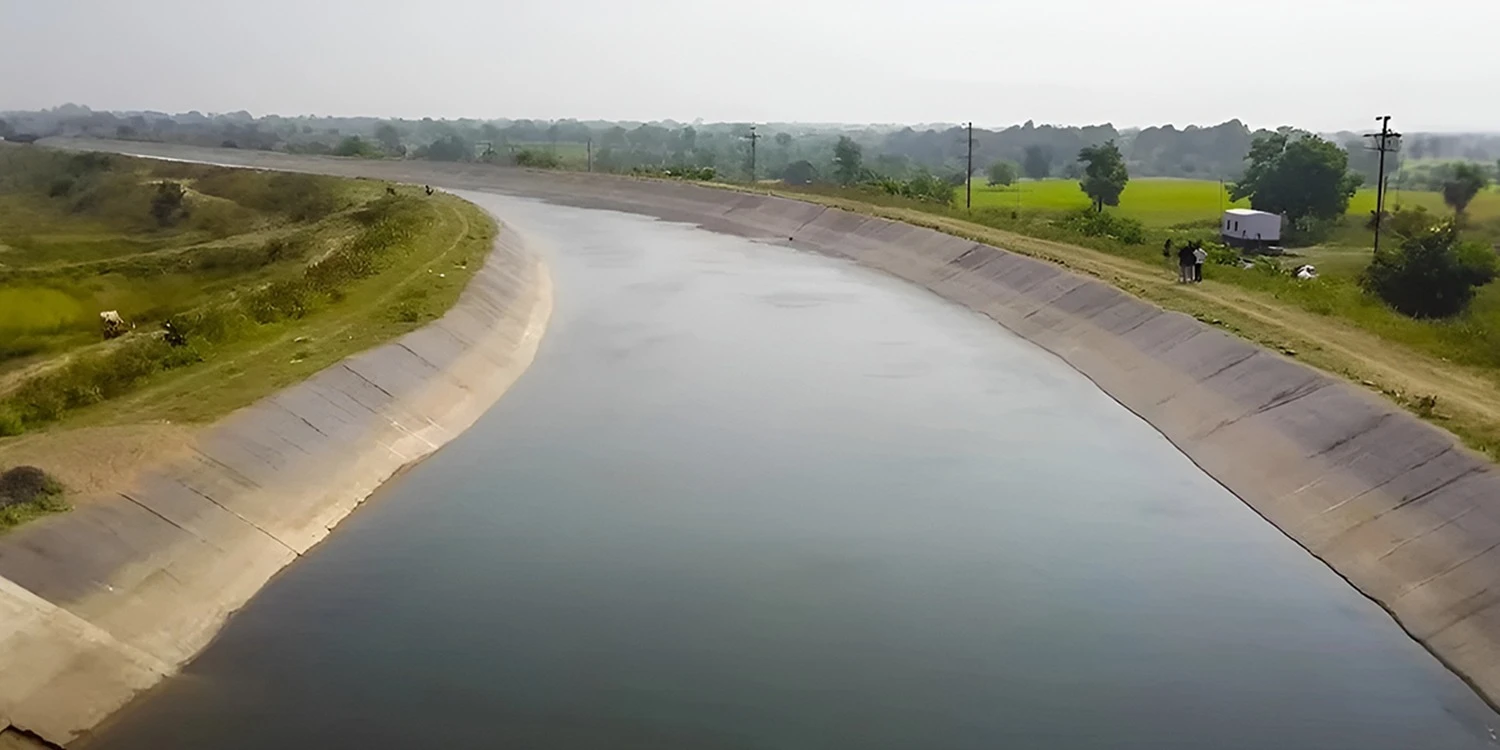
The bituminous geomembrane liner is famous for being flexible. It can stretch and move with the soil without losing its waterproof seal. According to the Central Water Commission (CWC), water loss in unlined canals can be as high as 30% to 50%. By using a high-quality geomembrane system, seepage losses can be reduced to negligible levels when properly designed and installed. This is vital for India's water security, especially in farming belts that rely on every drop of canal water.
Most people think water or heat kills a liner, but the real enemy is the sun's UV rays. Over time, UV light breaks the chemical bonds in many synthetic materials, making them thin and brittle.
A bituminous geo membrane has a built-in defense system. The bitumen itself is naturally resistant to UV, but most high-end liners also have a top layer of fine sand or slate chips embedded in them. This layer acts like a permanent sunscreen. It blocks the UV rays from reaching the core of the bituminous geomembrane liner, ensuring long-term durability under exposed conditions, depending on product grade and environmental factors.
In the Himalayan regions or during North Indian winters, temperatures can drop below freezing. Many materials become brittle like glass in the cold. If a rock shifts or a truck drives over a brittle liner, it will shatter.
The polymers added to a bituminous geo membrane ensure that it stays flexible even at very low temperatures, subject to product-specific certification. This makes it a reliable choice for high-altitude water tanks or roads in cold climates. Whether it is freezing or boiling, the bituminous geomembrane liner maintains its grip and its seal.
The Government of India, through the Central Pollution Control Board (CPCB), has very strict rules for "Secured Landfills." These are places where hazardous waste is kept. If the liner leaks, the chemicals can poison the groundwater for miles.
Bituminous geomembranes are used in engineered containment systems and can form part of composite landfill lining solutions. It is much thicker than standard HDPE (High-Density Polyethylene) liners. While a standard plastic liner might be 1.5 mm to 2 mm thick, a bituminous geo membrane is usually 4 mm to 5 mm thick. This extra thickness provides a massive safety margin against punctures from rocks or construction equipment.
One major problem with many liners is that they can only be installed when it is dry and calm. Light plastic liners can catch the wind like a sail, making them dangerous to move. They also require "hot wedge welding," which is hard to do if the air is humid or dusty.
A bituminous geo membrane is heavy. It stays in place even in breezy conditions. More importantly, the seams of a bituminous geomembrane liner are joined using a simple gas torch or even hot air. This "torch-on" method is very reliable and can be done in humid conditions where other liners might fail. This means projects can stay on schedule even if the weather is not perfect.
Choosing the right bituminous geomembrane liner is not just about following a checklist of technical rules. It is about making a promise to the future of our water and our land. At Yooil Envirotech, we believe that every canal, landfill, and reservoir we line should be built to last for generations. By using materials that thrive in India’s toughest climates, we help you avoid the high costs of constant repairs and protect our precious natural resources from pollution and waste.
Our mission is to bring world-class engineering to every corner of the country. From high-heat desert regions to the rainy hills of the north, we provide a bituminous geo membrane that acts as a permanent, flexible, and tough shield. We are here to support your project from the first drawing to the final seal. Partner with Yooil Envirotech today to build infrastructure that stands strong against the elements and keeps your community safe and water-secure for decades to come.
A bituminous geomembrane liner does not expand or contract much when temperatures change. It contains special polymers that keep the bitumen stable. This prevents the liner from moving or forming weak wrinkles even in extreme desert heat.
Yes, it is. Because a bituminous geo membrane is 4 mm to 5 mm thick and contains a dense internal polyester mat, it offers great resistance to roots and sharp stones, making it perfect for long-term water storage.
Yes, many types of bituminous geomembrane liner are tested to be safe for potable water. They do not leach harmful chemicals into the water, making them a safe choice for city reservoirs and village water tanks.
When a geo membrane is buried, it is protected from all weather. Under protected burial conditions, a high-quality liner is designed for multi-decade service life. It provides a permanent barrier that protects the environment from leaks and waste.
In hills, the ground is often rocky and uneven. A bituminous geo membrane is thick and flexible. It can drape over rough surfaces without tearing, whereas thinner liners would easily puncture on the sharp rocks found in mountains.