

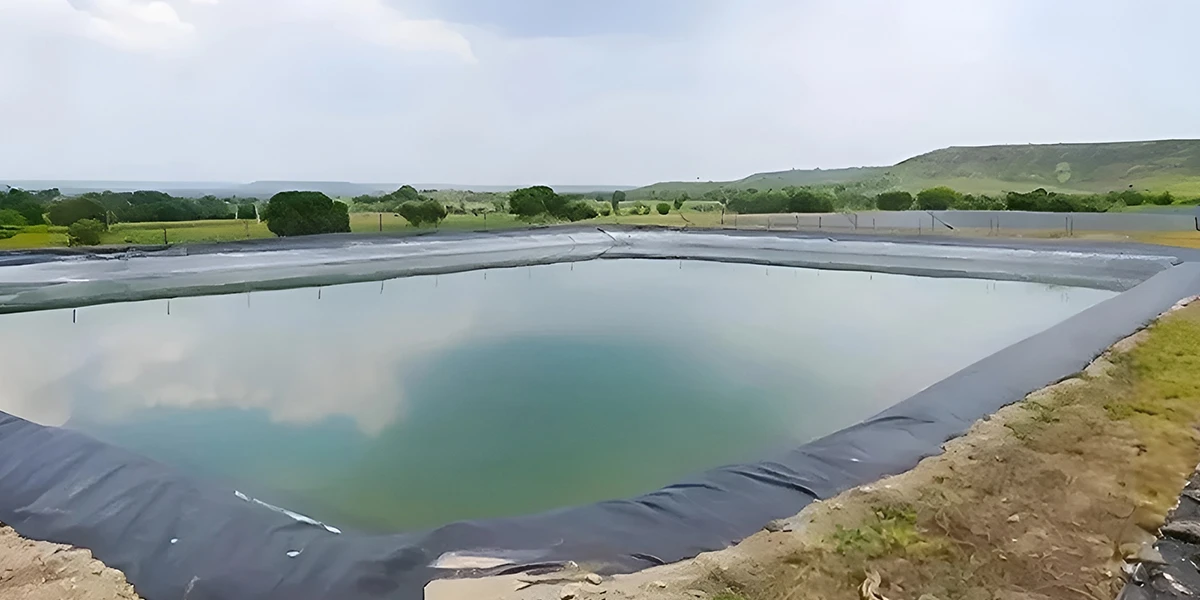
Summer brings long days and bright sunshine, but for farmers and landowners, it also brings a big problem: water loss. When the sun beats down, your water supply can vanish into thin air or soak into the ground. This is where a high-quality pond liner becomes your best friend.
At Yooil Envirotech, we know that water is more than just a resource. It is the lifeblood of your crops and your land. In this guide, we will look at how lining your ponds can save your water and your money during the hottest months of the year.
You might think your pond is a solid bowl, but many unlined ponds act more like a sieve. There are two main ways you lose water in the summer:
According to data from agricultural departments, unlined irrigation tanks can lose up to 40% of their volume due to soil absorption alone. Using an irrigation pond liner creates a waterproof barrier that keeps that 40% exactly where it belongs: in your pond.
Not all liners are made the same. If you want your pond to last through many summers, you need to pick the right stuff. The best pond liner material is usually a high-density polyethylene (HDPE) or a reinforced geomembrane.
HDPE is a favorite for large-scale projects because it is very tough. It resists chemicals, it does not tear easily, and most importantly, it handles UV rays from the sun without cracking.
The most obvious benefit is that you keep your water. In many regions, the government provides subsidies for farm ponds because they know how vital water storage is. By using a geomembrane liner, you ensure that the water you collect during the rains stays available for the dry summer.
When water sits in an unlined pit, it mixes with mud and minerals. This can make the water murky and clog your irrigation pipes. A pond liner keeps the water clean and prevents soil erosion from the banks.
Think about the cost of pumping water. If you have to pump more water to replace what leaked out, your electricity bills go up. A one-time investment in a durable pond liner pays for itself by reducing pumping time and saving your crops during a drought.
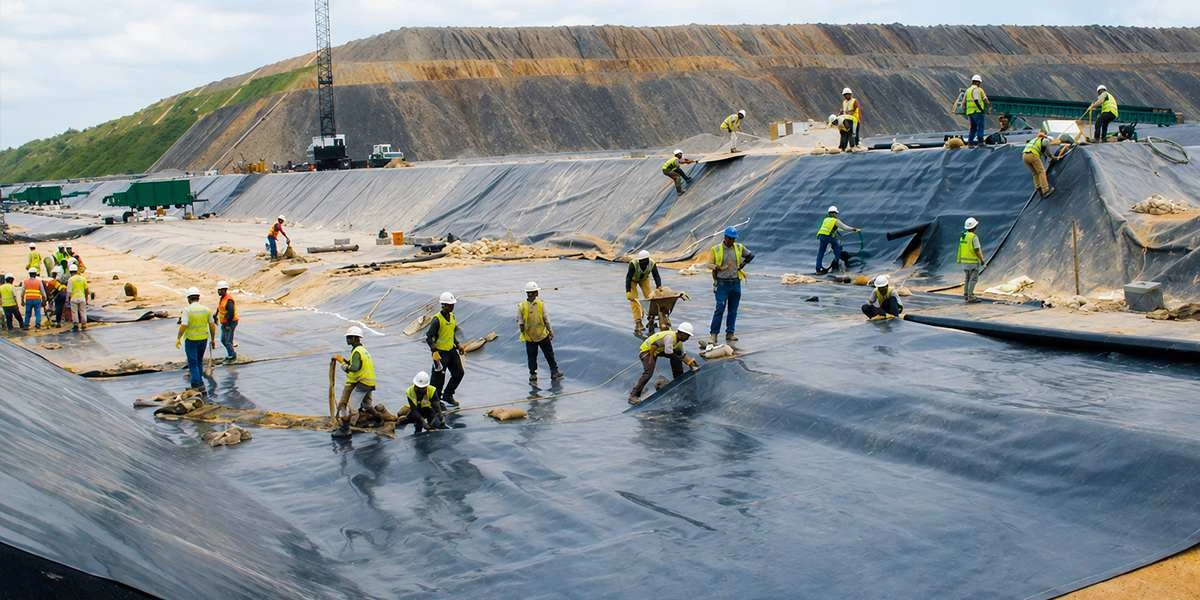
Installing a liner in a large space is a big job, but doing it right ensures it lasts for decades. Here is a simple breakdown of how to install a pond liner in a large pond step-by-step.
Clear the area of all rocks, roots, and sharp debris. You want the ground to be as smooth as possible. If the soil is very rocky, you may need to lay down a layer of sand or a geotextile underliner first.
Dig a trench around the perimeter of the pond. This is called an anchor trench. When you lay the liner for pond use, the edges will go into this trench and be buried with soil to hold the whole thing in place against the wind.
For a large pond, the liner will come in big rolls. You will need a team or machinery to spread it out. Make sure there is some "slack" in the material. If it is too tight, it might snap when the weight of the water hits it.
In large projects, you will likely have multiple sheets of material. These must be welded together using heat. This is a critical part of how to install a pond liner in a large pond because a bad seam means a big leak.
Begin filling the pond slowly. As the water rises, it will push the liner against the walls. Once the pond is full, you can finish burying the edges in your anchor trench.
Many environmental agencies, including the Central Ground Water Board (CGWB) in India and similar global bodies, encourage the use of lined ponds. They promote "More Crop Per Drop." Using an agricultural pond liner is seen as a responsible way to manage natural resources.
Statistics show that farms using lined irrigation pond liners see a significant increase in crop yield during the summer because they have a reliable water source that does not fail when the heat stays high.
When looking for the best pond liner material, HDPE is usually the top choice. It is strong, handles the sun well, and stays waterproof for over 20 years, making it perfect for tough outdoor farming conditions and large tanks.
No, a standard plastic sheet will tear and degrade in the sun. A proper irrigation pond liner is specially made to be UV-resistant and thick enough to handle the pressure of thousands of gallons of water without leaking.
While the steps are simple, the scale is the challenge. Knowing how to install a pond liner in a large pond requires some heavy lifting and heat-welding tools to join the big sheets together so they stay totally leak-proof.
A pond liner acts like a giant storage tank. It prevents the ground from "stealing" your water through seepage. This ensures that every drop of rain you catch is saved for your crops when the summer drought arrives.
A high-quality heavy duty pond liner made from HDPE or RPE can last 20 to 30 years. This long life makes it a very smart investment for any land owner who wants to secure their water future for decades.
Summer should be a time of growth, not a time of worry. By choosing the right pond liner and ensuring it is installed correctly, you can turn your pond into a permanent water bank. At Yooil Envirotech, we are dedicated to providing the best pond liner material to help you save water and grow better.