

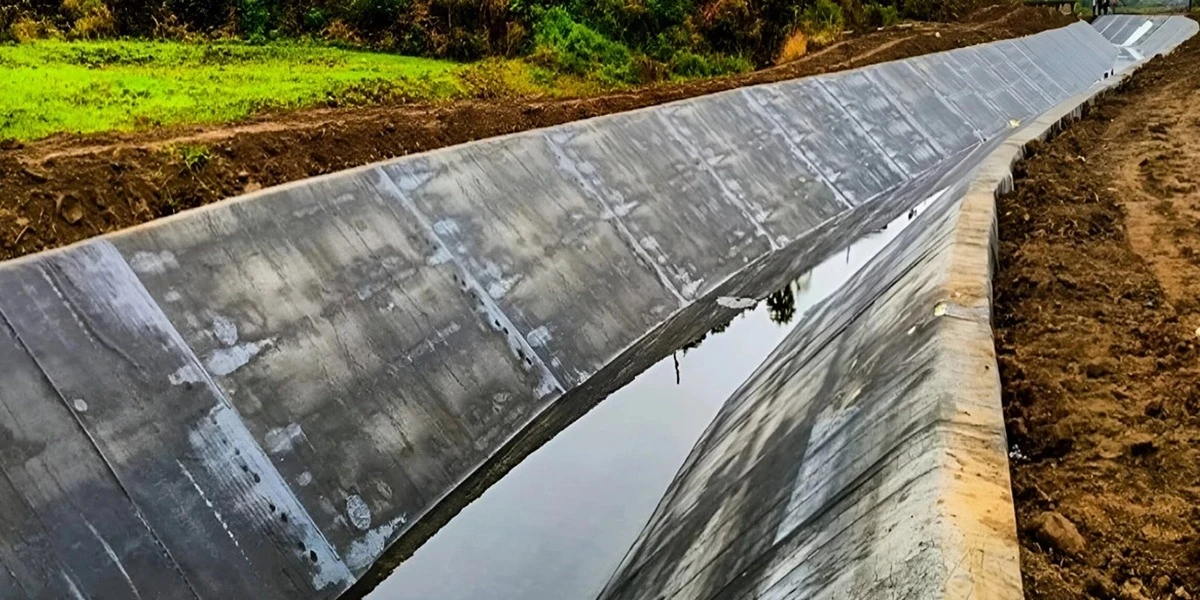
Water is the lifeblood of every farm. For years, farmers have relied on vast networks of canals to bring this precious resource from rivers to their fields. But there is a silent thief at work in many of these channels. When a canal is just a ditch dug into the earth, a huge amount of water seeps into the ground before it ever reaches a thirsty crop.
This is where canal lining steps in to save the day. At Yooil Envirotech, we believe that every drop of water saved is a seed that can grow. Let’s dive into why lining your canals is the smartest move for modern agriculture.
Imagine trying to drink water through a straw that has tiny holes all over it. You would have to work twice as hard to get half the liquid. Unlined canals are exactly like that leaky straw. They suffer from two major issues:
When water is lost, productivity drops. Farmers at the end of the line often get no water at all, while those at the start might deal with soggy, ruined soil.
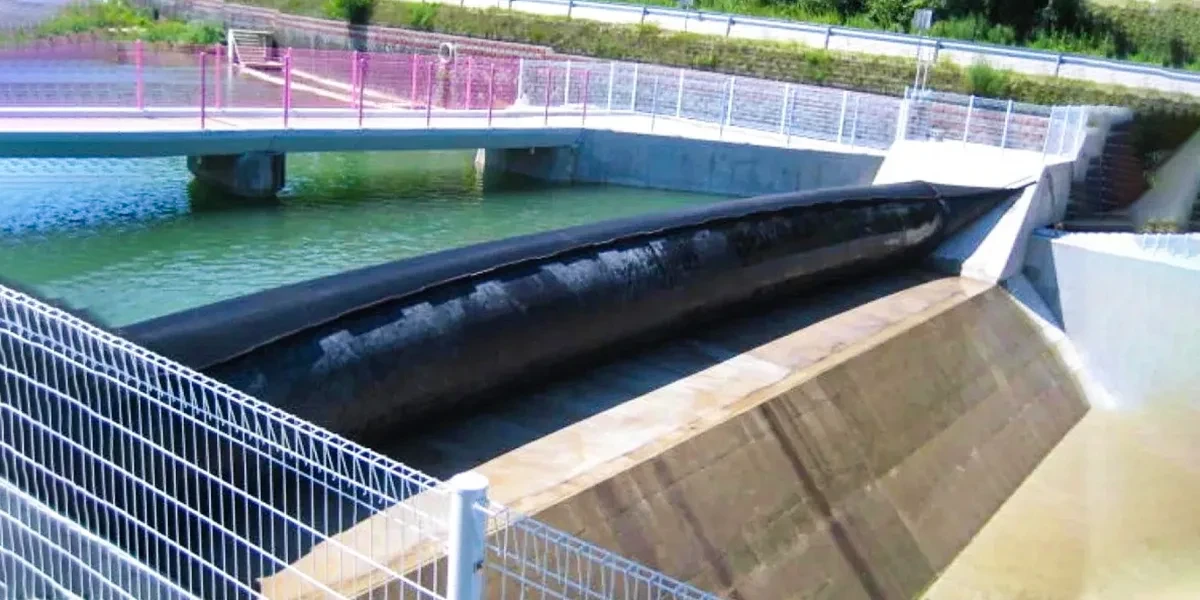
In simple terms, canal lining is an added layer of a tough, waterproof material placed on the sides and bottom of a canal. Think of it like putting a waterproof jacket on your water path. This layer keeps the water inside the channel where it belongs.
By using professional canal lining solutions, we ensure that the water flows faster, cleaner, and more reliably. It transforms a simple mud trench into a high-performance delivery system.
Not every farm or climate is the same, which is why there are various canal lining types to choose from. Selecting the right one depends on your budget, the type of soil you have, and how much water you need to move.
This is the heavyweight champion of the world. It is incredibly strong and lasts for decades. It stops almost all leaks and can handle very fast water speeds. While it costs more upfront, it saves the most money over time because it needs very little repair.
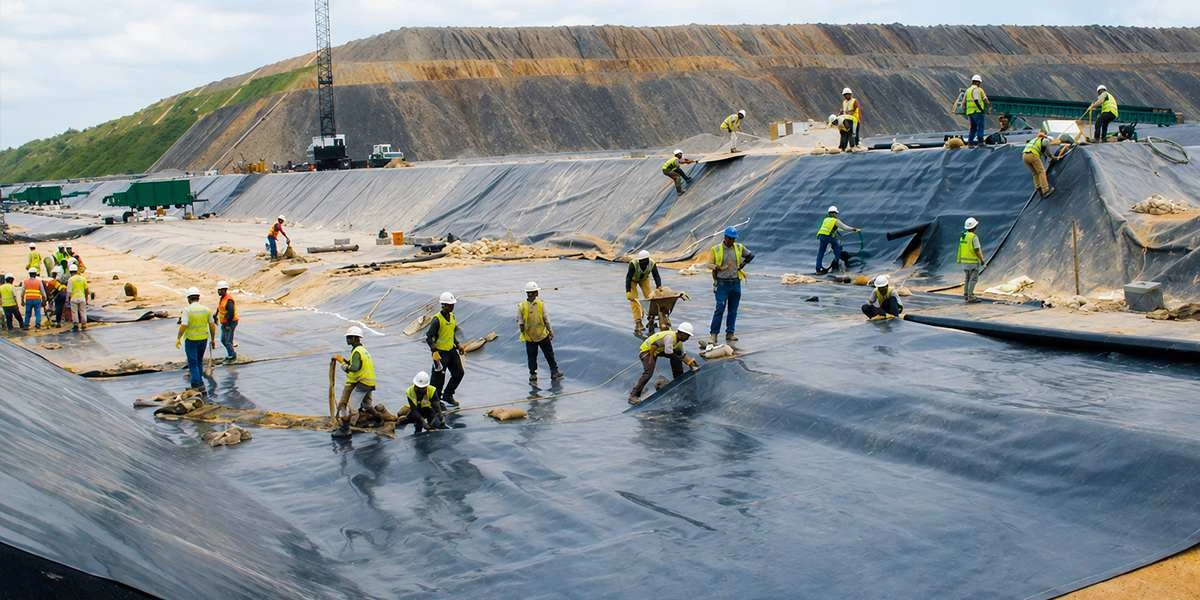
Modern technology has given us flexible, plastic-like liners called geomembranes. These are fantastic because they are easy to install and create a perfect waterproof seal. They are often used under other materials to provide an extra layer of safety.
In places where stone is easy to find, this is a great choice. It looks natural and does a good job of stopping erosion, though it may still allow a little bit of seepage through the joints if not sealed perfectly.
If you want a more natural approach, certain types of canal lining use packed clay or special soil mixtures. These are cheaper but require more frequent check-ups to make sure they aren't wearing thin.
So, why does this matter for your harvest? Let's look at the big wins.
When you stop leaks, you suddenly have more water available. This means you can irrigate more acres of land with the same amount of water you had before. It is like finding extra money in your pocket every single day.
Smooth surfaces in a lined canal allow water to move much faster than it does over rough mud and weeds. This means you can get water to your crops exactly when they need it. Timing is everything in farming, and a lined canal gives you total control.
When water seeps into the ground from unlined canals, it can cause the water table to rise. This often brings salt up to the surface, which kills crops. By keeping the water in the canal, you keep your soil healthy and salt-free.
Mud canals are a playground for weeds and silt. Farmers spend a lot of time and money digging out weeds and clearing blockages. Lined canals are much cleaner. Weeds can't grow through concrete or plastic, so you spend less time with a shovel and more time focused on your crops.
We don't just sell liners. We provide peace of mind. Our team looks at your specific land, your water source, and your goals to find the perfect fit. We use materials that stand up to the sun, the wind, and the test of time.
Investing in your infrastructure today means a more stable and profitable farm for your children tomorrow.
Investing in your water system is the best way to secure your farm’s future. By choosing the right canal lining, you stop being a victim of water loss and start being a master of your resources. Whether you need heavy-duty concrete or modern canal lining solutions, the goal is the same: getting every drop to the root of the crop.
At Yooil Envirotech, we have seen how different canal lining types can turn a struggling plot into a high-yield powerhouse. Don’t let your hard work soak into the dirt. Explore the many types of canal lining available and give your land the reliable water supply it deserves. A lined canal isn't just a construction project; it is a promise of a better harvest.
Canal lining is the best way to stop water waste. By preventing seepage into the ground, you ensure that every gallon of water you pay for actually reaches your crops. This leads to bigger harvests and much better profits.
The best canal lining solutions depend on your local soil and climate. Some areas need the strength of concrete, while others do better with flexible membranes. Our experts help you pick the most cost-effective option for your specific farm.
The most popular canal lining types include reinforced concrete, plastic geomembranes, and pre-cast blocks. Each has its own benefits. Concrete is the most durable, while geomembranes are excellent for preventing leaks in sandy soils that shift often.
Most types of canal lining are actually much easier to maintain than earthen canals. They prevent weed growth and stop silt from building up. A quick inspection once a year is usually enough to keep the water flowing perfectly.
Yes. When water is scarce, canal lining becomes even more important. It ensures that the small amount of water you do have isn't lost to the soil. It is the best tool for making your farm drought-proof.
Ready to stop the leaks and grow your future? At Yooil Envirotech, we are ready to help you build a better water system.