

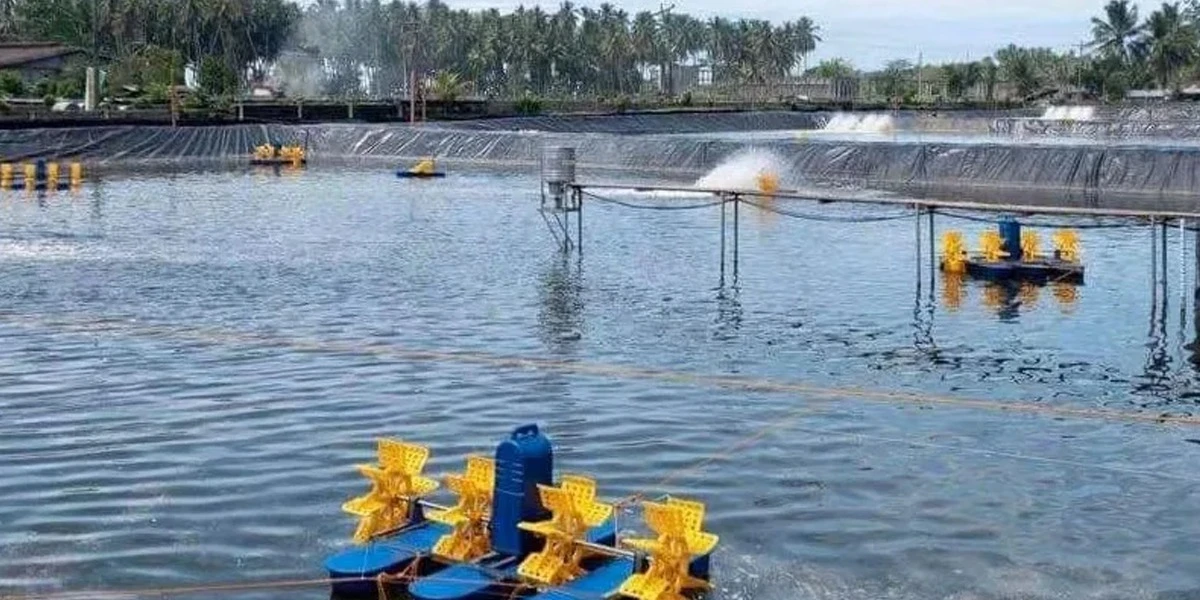
Choosing the right pond lining material is key. It is the most important decision you will make for any water containment project. Whether you are building a new irrigation reservoir or sealing a critical industrial facility, the liner you pick determines its lifespan and safety.
For years, project managers have relied on two main choices: HDPE and PVC. Both are widely used pond liner materials. But they are not the same. They have big differences in strength, how long they last, and how easy they are to install.
At Yooil Envirotech, we believe in advanced, lasting solutions. We know that understanding the basic materials is the first step toward better water management. This complete comparison will help you decide which material is best. More importantly, it will show why advanced technology is now changing the game.
HDPE stands for High-Density Polyethylene. It is a very common type of geomembrane. Think of it as the strong, stiff soldier of the liner world. It is known for its incredible strength. It has a high resistance to chemicals and UV light.
HDPE offers great long-term service. It does not break down easily when exposed to the sun or harsh chemicals. This makes it an excellent choice for large-scale projects. It is often used for municipal water storage and landfill applications. It is tough and reliable.
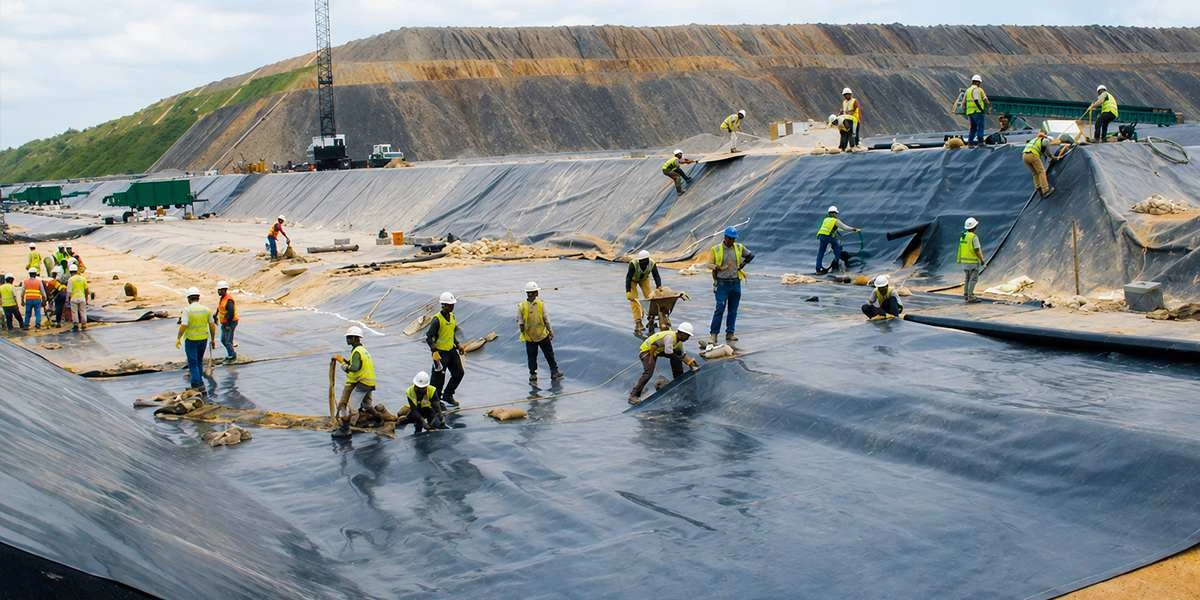
The thickness of HDPE often starts at 60 mils. The material itself is affordable. However, installation is complex. HDPE is stiff and does not bend well. To join pieces, workers must use specialized welding equipment. This thermal welding process requires highly trained technicians. A small error in the weld means a big leak later. It is tricky to install in areas with complex curves or shapes. If the subgrade underneath settles, the stiffness of HDPE can also be a problem. It does not stretch easily. This can lead to stress cracks and failure over time.
PVC stands for Polyvinyl Chloride. This material is the opposite of HDPE. It is the flexible and easy-to-use option. It is usually the choice for smaller, shallower, or ornamental ponds.
PVC is much easier to work with. It is very pliable. It easily conforms to the unique contours of any pond bottom. This flexibility is its biggest strength during installation. It can be prefabricated into large panels. This reduces the amount of work needed on site.
However, PVC has several weaknesses. It is generally not as durable as HDPE. Its resistance to UV light is poor. Over time, constant sunlight makes PVC brittle. The material can become stiff and crack. PVC contains plasticizers to keep it flexible. These plasticizers can migrate out of the material over many years. When they leave, the liner loses its flexibility and cracks. PVC is also less resistant to certain hydrocarbons and industrial chemicals than HDPE.
PVC often has a lower upfront material cost than HDPE. The installation cost is also lower. This is because seams can often be glued or bonded using simple tools. This makes the job much faster and easier. For simple projects, PVC offers a quick, budget-friendly seal. But remember the trade-off. You are saving money now, but you may face higher repair or replacement costs later.
When comparing these two classic choices, the differences are clear.
|
Feature |
HDPE (High-Density Polyethylene) |
PVC (Polyvinyl Chloride) |
|
Durability |
High. Excellent long-term service. Excellent UV and chemical resistance. |
Moderate. Prone to sun damage. Plasticizers leach out, causing brittleness. |
|
Flexibility |
Low. Stiff and hard to bend. Difficult to use in tight spaces. |
High. Very flexible. Easy to fit complex shapes and contours. |
|
Installation |
Hard. Requires hot-wedge welding and certified crews. Seams are very strong. |
Easy. Can be glued or solvent-bonded. Faster, cheaper installation. |
|
Puncture Resistance |
Good for its density, but lacks elasticity to recover from stress. |
Fair, but can be torn or punctured more easily than HDPE. |
|
Lifespan |
Can last 20+ years if installed perfectly. |
Typically 10-15 years before major degradation begins. |
Not all ponds are created equal. Some require materials that go far beyond standard performance. This is especially true when it comes to lining of tailings ponds in the mining and energy sectors.
Tailings ponds hold waste material from mining operations. This waste is often toxic. It can be highly acidic or alkaline. A leak in a tailings pond is not just costly. It is an environmental disaster. The liner here must be perfect. It must offer maximum chemical resistance. It must withstand extreme loads and sharp debris.
In these high-stress industrial environments, the weaknesses of both HDPE and PVC become obvious. HDPE welds can fail under extreme ground movement. PVC’s chemical weakness is a major liability. These applications demand a permanent, self-sealing solution.
At Yooil Envirotech, we provide specialized solutions that solve these traditional lining problems. We believe in moving past the limitations of simple plastic sheets. The future of reliable water management is in Bituminous Geo Membrane (BGM) technology.
BGM is an advanced, multi-layer lining system. It combines the strength of geomembrane with the proven waterproofing power of bitumen. Bitumen is the material used in high-performance road building. This blending creates a liner that is unlike anything else on the market.
The benefits of using bituminous geo membrane are huge. It is extremely fast to lay. It offers unmatched resistance to almost all chemicals found in industrial waste.
But the most important feature is its self-healing nature. If BGM suffers a small puncture, the bituminous core softens and seals the hole. This capability ensures the long-term integrity of the containment area. It reduces the risk of dangerous seepage to almost zero. The material handles ground settlement without cracking. It maintains its seal even under heavy stress.
For critical infrastructure, water reservoirs, or the specialized lining of tailings ponds, BGM is the most reliable choice. It is a permanent remedy. It offers sustainability and a lifespan that far exceeds traditional polymer liners.
Choosing a pond liner is a long-term investment. While HDPE and PVC offer budget options, they come with compromises. HDPE offers strength but sacrifices flexibility. PVC offers flexibility but sacrifices durability.
For any project where failure is not an option, you need the best technology. You need a permanent seal. Yooil Envirotech is dedicated to providing these advanced water management tools. By choosing an innovative solution like Bituminous Geo Membrane, you are ensuring decades of safe, efficient, and worry-free containment.
Make the smart choice for your project's future.