


Let’s talk about trash. It is not the most glamorous topic, but it is one of the most important ones. Every day, we throw things away. But where is "away"? For most of the world, "away" means a landfill.
In the not-so-distant past, a landfill was basically just a big hole in the ground. We dumped our waste in, covered it with dirt, and hoped for the best. We have since learned that this old method was a recipe for disaster. Putting raw garbage directly onto the earth is very bad news for the soil and, more importantly, for the water flowing underneath it.
Today, modern waste management has changed for the better. We now have the technology to build secure facilities that protect the environment rather than harming it. The hero of this story is a highly engineered material that most people will never see. It is called a geo membrane. At Yooil Envirotech, we specialize in providing these crucial barriers that keep our world cleaner.
If you want to keep it simple, think of a landfill like a giant bathtub. You would not fill a bathtub with water if it did not have a solid bottom and sides. The water would just run everywhere. A modern landfill works on the same principle.
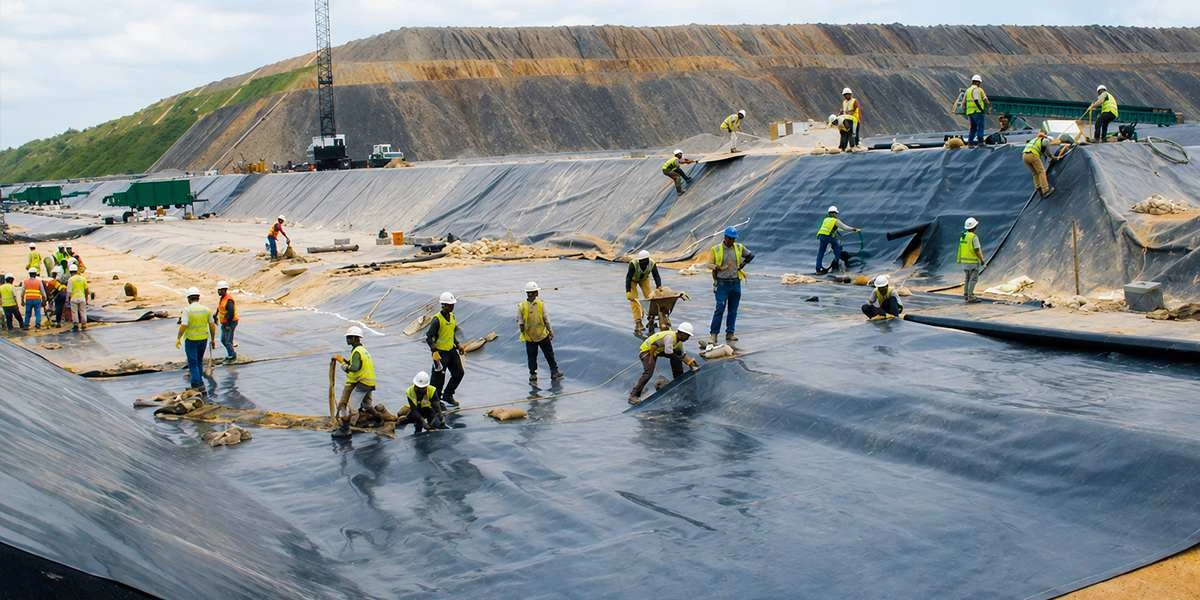
Before any trash touches the ground, engineers install a tough, waterproof barrier. This barrier is the lining membrane for the entire waste facility. These are not just giant sheets of kitchen plastic wrap. They are industrial-strength synthetic liners designed to withstand incredible abuse. They have to resist chemicals, endure extreme weight, and last for many years without developing a single leak.
The main job of this liner is to act as a wall. On one side, you have the waste. On the other side, you have the clean earth. By keeping these two things separate, we ensure that the ground stays healthy. This is vital because the soil acts as a filter for our environment. If the soil gets dirty, everything else around it suffers too.
Why do we need such a tough liner? The answer lies in what happens when it rains on a landfill. This is where things get a bit messy, but it is important to understand.
When rainwater falls on piles of decomposing trash, it does not stay clean. As it trickles down through the garbage, it picks up chemicals, heavy metals, and organic rot. By the time this liquid reaches the bottom of the landfill, it has become a toxic brew known as leachate. You can just think of it as "garbage juice."
If a landfill does not have a proper liner, gravity pulls that toxic leachate right into the soil. Recent studies show that in some regions, up to 27 percent of groundwater samples near old, unlined dumps fail safety standards. This is the environmental nightmare that modern engineering works to prevent.
When the toxic liquid drips down, it hits the geo membrane and stops. The liner is often sloped so that all that nasty liquid drains to a collection point. From there, pipes suck it out to be treated safely at a special plant.
Not all liners are the same. The type of material used depends on the specific needs of the site. For very demanding environments, a bituminous geo membrane is often the top choice.
While many liners are made of standard plastics, this specific type is different. It combines bitumen, which is a sticky, asphalt-like substance, with strong polymers. This mixture creates a material that is much heavier and more stable than standard plastic.
There are several reasons why a bituminous geomembrane liner is trusted by experts. First, it is incredibly tough. It can handle rough, uneven ground without getting poked or torn by sharp rocks. Second, it is very flexible. As the heavy trash settles over time, the ground underneath can shift. A bituminous liner can stretch and move without ripping.
Research shows that high-quality liners can have a service life of 50 to 100 years. Some estimates suggest they could even last for hundreds of years when they are buried and protected from the sun. This long life makes them a great investment for the planet.
At Yooil Envirotech, we believe that protecting the environment starts from the bottom up. Having a great product is only half the battle. A liner only works if it is installed perfectly. Even a tiny hole can cause big problems later on.
We take waste containment seriously because the future of our soil and water depends on it. We use materials with very low permeability. To give you an idea of how effective these are, some liners have a permeability rate as low as $10^{-14}$ meters per second. That means almost nothing gets through.
Building a safe landfill is about thinking 50 or 100 years into the future. By using the right technology today, we prevent the need for expensive cleanups tomorrow. It is much easier and cheaper to build it right the first time than to try to fix a contaminated water source later.
We are still working on ways to reduce waste, but landfills will be a part of our lives for a long time. The good news is that they do not have to be a danger to our health. Thanks to materials like the ones we provide at Yooil Envirotech, we can keep our trash contained and our water clean with the help of a Geo membrane. It is a simple solution for a big problem, and it is happening right beneath our feet.
A geo membrane acts like a giant, waterproof floor for the landfill. It stops toxic liquids from leaking out of the waste and into the soil, which keeps the local groundwater clean and safe for the community to use.
While clay is good, a modern lining membrane is much more reliable. It is thinner but much more effective at stopping leaks. It does not crack like clay can when it gets dry, ensuring a constant seal for years.
A bituminous geo membrane is extra tough and heavy. It does not blow away in the wind during installation and it resists punctures from sharp rocks. This makes it a very safe choice for rough or rocky landfill sites.
Yes, because a bituminous geomembrane liner lasts for a very long time. It can handle extreme weather and shifting soil without breaking. This prevents expensive environmental leaks and legal trouble, saving a lot of money in the long run.
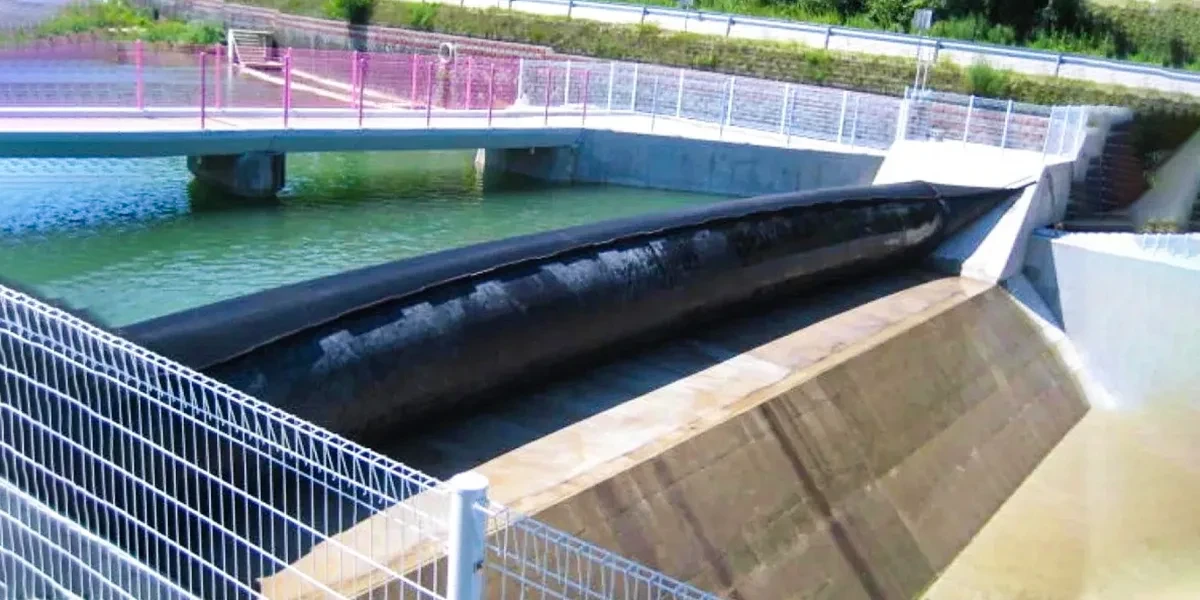
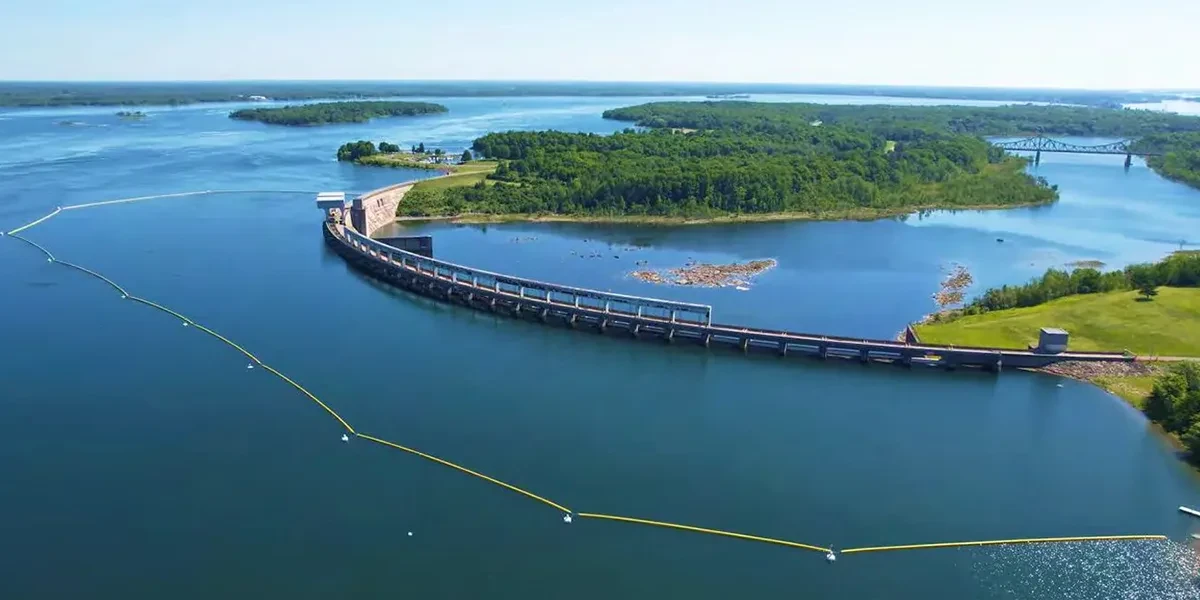
Absolutely. A lining membrane is also used for ponds, canals, and mining sites. Anywhere you need to keep water in or keep chemicals out, these liners provide a strong and lasting barrier that protects the surrounding earth and water.