

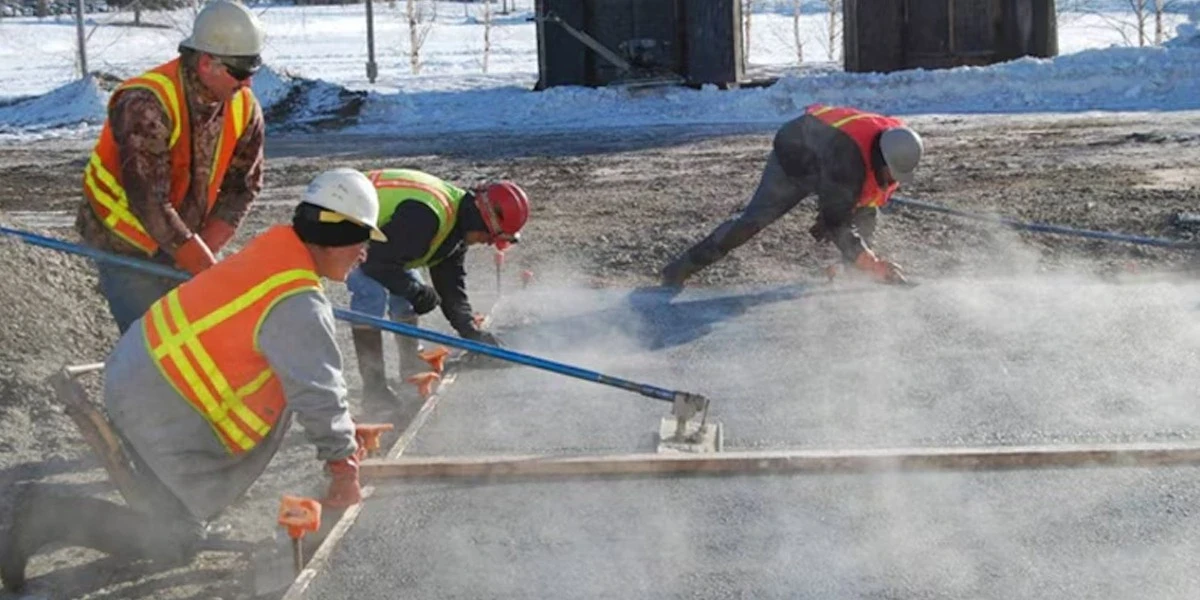
Building a dam is a huge task. It takes thousands of tons of concrete and years of hard work. When you think of a dam construction company in India, you might think of hot sun and dust. But in many parts of the country, winter is the real boss. Cold weather changes how concrete behaves. If you do not plan for the chill, the whole structure could be at risk.
At Yooil Envirotech, we know that building in the cold is a science. We are a leading dam construction company in India, and we have seen how winter can slow things down. But why does the cold matter so much? It all comes down to a process called curing.
Many people think concrete just dries out like a puddle. That is not true. Concrete hardens because of a chemical reaction. When you mix water with cement, they start to bond. This is called hydration. This bond is what gives the dam its strength.
For this bond to work, the concrete needs two things. It needs to stay moist, and it needs to stay warm. If it gets too cold, the chemical reaction slows down. If it gets way too cold, the reaction stops entirely. This is why dam construction companies have to be very careful when the temperature drops.
Winter brings two main problems for concrete. First, the cold makes the hardening process take a lot longer. This can delay the whole project. Second, if the water inside the wet concrete freezes, it expands. Ice takes up more space than water. This expansion creates tiny cracks inside the concrete before it is even strong.
Experts say that if concrete freezes too early, it can lose half of its strength. For a bridge or a house, that is bad. For a dam holding back millions of liters of water, it is a disaster. This is why top dam construction companies use special tools to keep the concrete happy.
Here is a fun fact. When concrete hardens, it actually makes its own heat. If you touch a fresh block of concrete, it feels warm. In the summer, this heat can be a problem because it gets too hot. In the winter, we try to keep that heat inside.
For massive structures like dams, we call this mass concrete. The middle of a large block can get very hot while the outside is freezing. This creates a big temperature difference. When the outside cools too fast, it shrinks. The inside is still big and hot. This causes the surface to crack. Professionals from reservoir construction companies have to balance these temperatures perfectly to keep the structure solid.
As experienced dam construction contractors, we have a few tricks up our sleeves to beat the winter.
We do not just mix cold sand and cold water. In the winter, we heat the water or the stones before mixing. This gives the concrete a warm start. It is like giving it a hot cup of tea before it goes out into the snow.
Once the concrete is poured, we cover it with thick insulation blankets. These blankets trap the heat that the concrete makes on its own. It keeps the surface from freezing while the inside hardens.
We can add certain chemicals to the mix. These are called accelerators. They make the chemical reaction happen faster. By speeding up the process, the concrete gets strong enough to resist the cold in a shorter amount of time.
Cold wind is a thief. It steals the heat and the moisture from the concrete. We build large walls or use tarps to block the wind. This keeps the environment around the dam stable.
In the world of top dam construction companies in India, there is a magic number: 500 psi. That stands for pounds per square inch. This is the amount of strength concrete needs before it can handle a freeze.
Once the concrete hits this strength, the "free water" inside it is mostly gone. There is no water left to turn into ice and cause cracks. Reaching this goal as fast as possible is the main job for any team during a winter pour.
India is a land of many climates. In the South, winter is mild. But in the North and near the mountains, it can be brutal. This is why picking the right partner is key. You need a team that understands the local weather.
Yooil Envirotech stands out among the top dam construction companies because we plan for every season. We use sensors to track the temperature deep inside the concrete. If it gets too cold, we know instantly. We do not leave anything to chance.
Dams are built to last for a hundred years or more. A mistake made during a cold week in January could show up as a leak ten years later. That is why Yooil Envirotech takes curing so seriously. By controlling the heat and the moisture, we ensure that the dam is as strong as it can be.
Whether it is a small reservoir or a giant hydroelectric project, the rules are the same. Respect the cold, protect the concrete, and never rush the process.
Cold weather can stop concrete from getting strong. If water inside the mix freezes, it expands and causes cracks.Reservoir construction companies must use heaters or blankets to keep the concrete warm so it stays durable for many years.
They manage the temperature of the mix.Top dam construction companies use warm water and insulated covers. This stops the outside of the dam from cooling too fast, which prevents the surface from cracking while the inside is still warm.
Yes, it is safe if they are prepared. A dam construction company in India working in cold areas will use special chemical mixes and wind breaks. These steps ensure the concrete reaches its full strength even when it is freezing.
Reliable dam construction contractors use electronic sensors buried inside the concrete. These sensors send real-time data to computers. This helps the team see if the concrete is staying warm enough to harden properly without any hidden weak spots.
Yes, they can. Most dam construction companies use chemical accelerators. These ingredients speed up the bond between cement and water. This helps the concrete get strong very quickly, which protects it from being damaged by the ice and cold.