

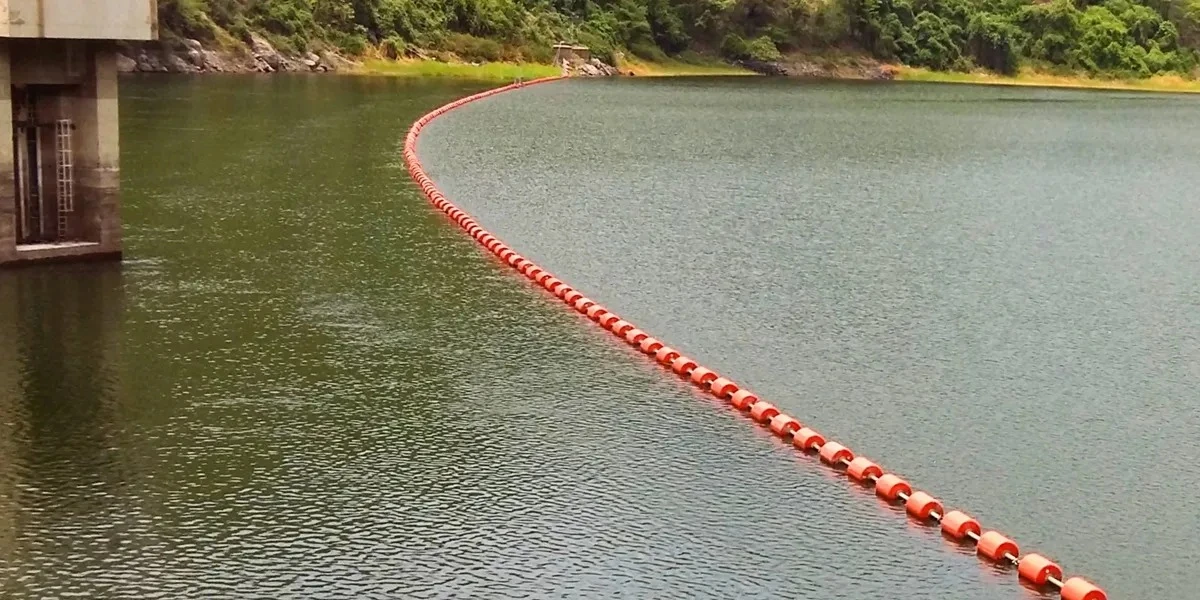
When we talk about the monsoon season in India, we usually think of hot tea and pakoras. But for many business owners, city planners, and homeowners, the rain brings a lot of stress. It is not just the water that causes trouble. It is what the water carries with it. From plastic bottles and wooden logs to heavy silt and urban trash, floating debris can cause massive damage.
This is where a debris barrier comes into play. If you are looking at protecting a small housing society or a massive industrial hydropower plant, you need to know how much this protection will cost. At Yooil Envirotech, we believe in making safety accessible and easy to understand.
In this guide, we will break down the costs and features of debris barrier systems for different project sizes. Let us dive in.
Before we talk about money, let us understand the tool. A debris barrier is like a strong fence for the water. It sits on the surface or just below it. Its job is to stop floating junk from moving further down a river or a canal.
If you do not stop this junk, it can block drains, break pump sets, or ruin the look of a clean lake. Yooil Envirotech specializes in these systems to ensure that your infrastructure stays safe and clean.
Small projects usually involve residential colonies, small farm ponds, or narrow city drains. The goal here is simple: keep the area clean and prevent local flooding.
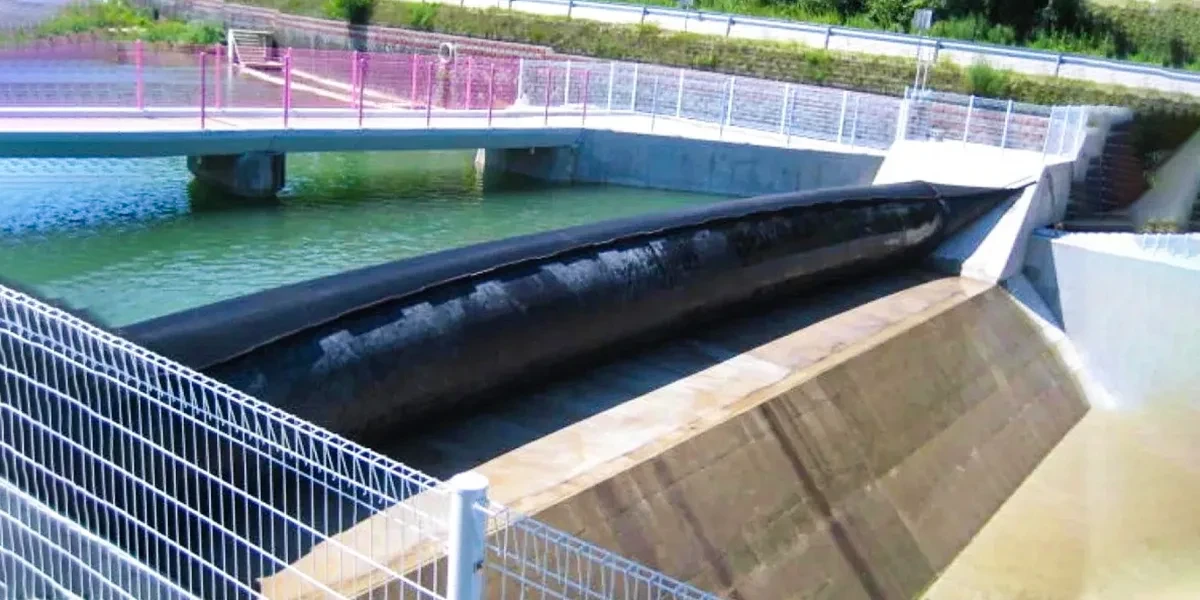
For small projects, the barriers are often lighter. You might use high quality plastics or lighter steel nets. Because the water flow in small drains is not very fast, you do not need heavy armor. This keeps the initial purchase price low.
Small barriers can often be installed by a local team with basic tools. You do not need massive cranes or a team of twenty divers. This saves a lot of money on labor. Most small projects can be finished in a couple of days.
Maintenance for small debris barrier systems is mostly about manual cleaning. Once a week, someone can use a rake to pull out the trapped trash. There are no heavy machines involved, so the running cost is almost zero.
Small projects do not require complex engineering drawings. You just need to measure the width of the canal or gate and fit the barrier. This lack of complexity makes it very budget friendly for small communities.
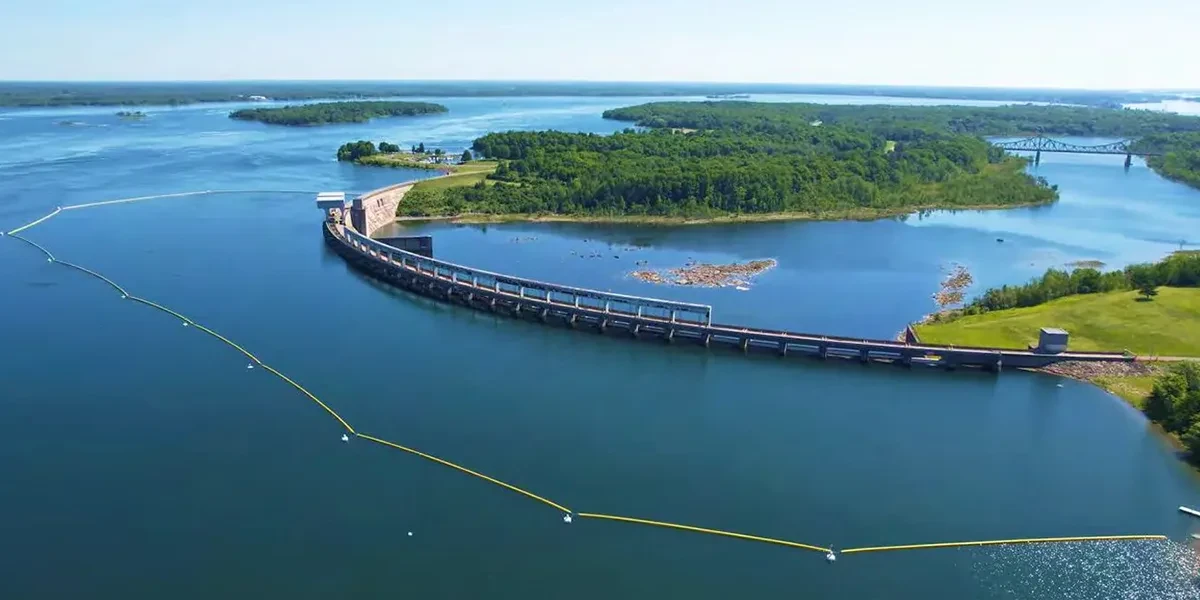
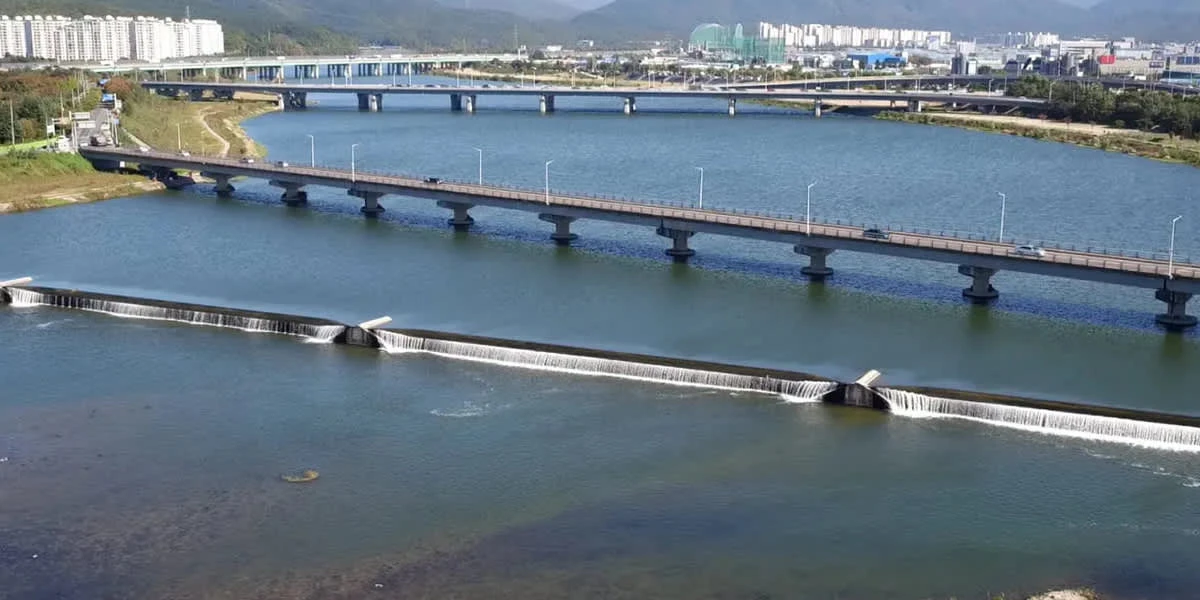
Large projects are a different ball game. We are talking about dams, power plants, large rivers, or major city canals. Here, the stakes are much higher. If a debris barrier fails at a dam, it could lead to a disaster.
For large scale work, Yooil Envirotech uses industrial grade materials. These barriers must face fast water, heavy logs, and even boats that might crash into them. We use reinforced polymers and heavy duty steel cables. Naturally, these materials cost more because they are built to last for decades.
You cannot just "plug and play" a barrier in a large river. Engineers have to study the water speed, the depth, and the type of debris. This design phase is a part of the cost. You are paying for a system that is guaranteed to work under pressure.
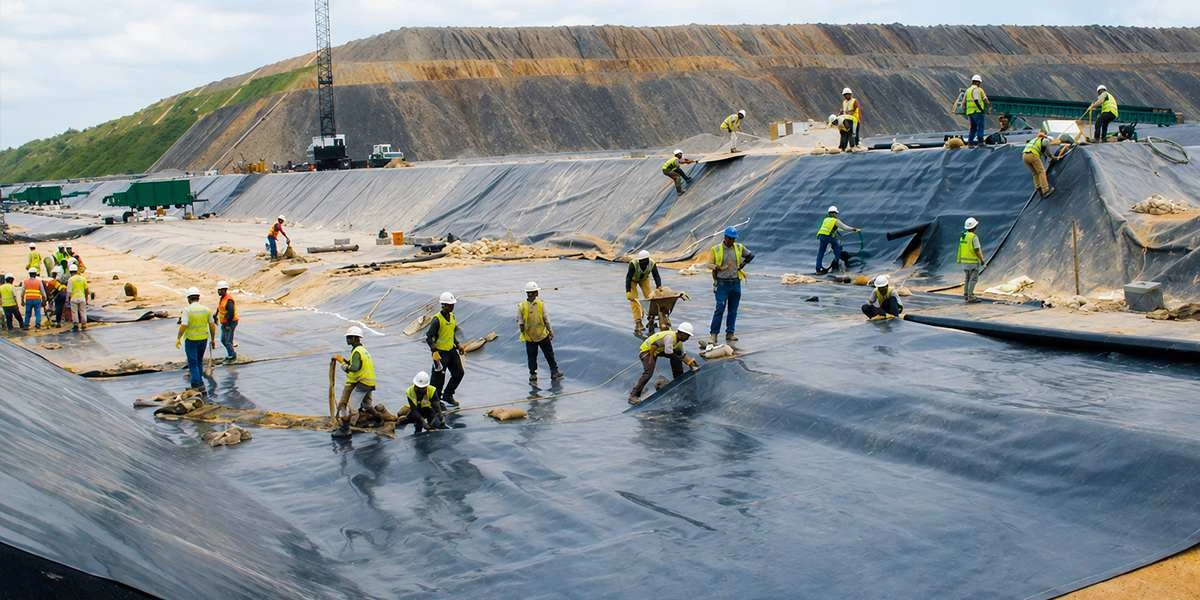
To install a large debris barrier, you might need barges, cranes, and specialized underwater divers. The logistics of moving heavy equipment to a remote dam site or a busy riverfront adds to the total bill.
On a large scale, you cannot clean the debris by hand. There is just too much of it. These projects often include mechanical rakes or conveyor belts that move the trash automatically. While this costs more upfront, it saves money over time by reducing the need for a large workforce.
To make it easy, think of it like buying a vehicle.
A small project is like buying a sturdy bicycle. It gets the job done for a single person, it is cheap to fix, and you can park it anywhere.
A large project is like buying a massive cargo truck. It costs a lot more, but it carries tons of weight and does work that a thousand bicycles could never do.
At Yooil Envirotech, we help you decide which "vehicle" fits your specific road. We do not want you to overspend on a small drain, and we do not want you to under protect a major power plant.
Many people ask if they can just wait. They think they will deal with the trash when it comes. But here is the secret: cleaning up after a flood is ten times more expensive than preventing one.
Flood barriers and debris systems work together. When you stop the debris, the water can flow freely. When water flows freely, it does not overflow the banks. By spending a little on a debris barrier today, you save lakhs of rupees in repair costs tomorrow.
Why choose us? We understand the Indian geography. We know how the monsoons behave in Mumbai and how the rivers flow in the North. Our designs are made for our weather and our types of waste. We focus on durability and ease of use.
Whether you are a government officer looking to clean a city river or a factory owner wanting to protect your water intake, we have a solution that fits your pocket.
Cost is always a big concern, but value is what matters most. A cheap barrier that breaks during the first heavy rain is a waste of money. A well planned debris barrier system from Yooil Envirotech is an investment in peace of mind.
Small projects focus on simplicity and manual upkeep. Large projects focus on strength and automation. Both are essential for a cleaner and safer India. Next time the clouds gather, you should be able to enjoy the rain without worrying about the trash it brings.
A debris barrier stops plastic and solid waste from clogging narrow city pipes. By keeping the path clear, it helps the water move out fast during heavy rains. This simple step prevents local street flooding and keeps neighborhoods dry and safe.
Yes, using flood barriers together with debris systems is the best way to stay safe. While the debris system stops solid waste, the flood wall keeps the water out. Yooil Envirotech provides integrated solutions to handle both problems at once.
Not at all. Most systems are designed for easy cleaning. For small areas, you just need basic tools. For larger sites, we provide mechanical help. Regular cleaning ensures the system works perfectly every year during the heavy monsoon season.
Our systems are built to last a very long time. We use materials that do not rust easily in water. With basic care, a high quality debris barrier can protect your property for many years, making it a very smart investment.
Yes, faster water means we need stronger anchors and tougher materials. When we design a debris barrier for you, we check the water flow. High speed rivers need more engineering, which can change the final cost of the project.