

Rainwater is a gift for every farmer. In many places, rain only comes during a few months of the year. To keep crops healthy all year, farmers must save this water. One of the best ways to do this is by building a pond. However, a simple hole in the ground is not enough. Water can soak into the soil and disappear. This is why a high-quality pond liner is so important. At Yooil Envirotech, we help farmers and businesses save every drop with the right tools.
Rainwater harvesting is the act of collecting rain for later use. In agriculture, this water is used for irrigation, feeding animals, or even fish farming. When you dig a pond, the soil often acts like a sponge. If the soil is sandy or loose, the water will seep out.
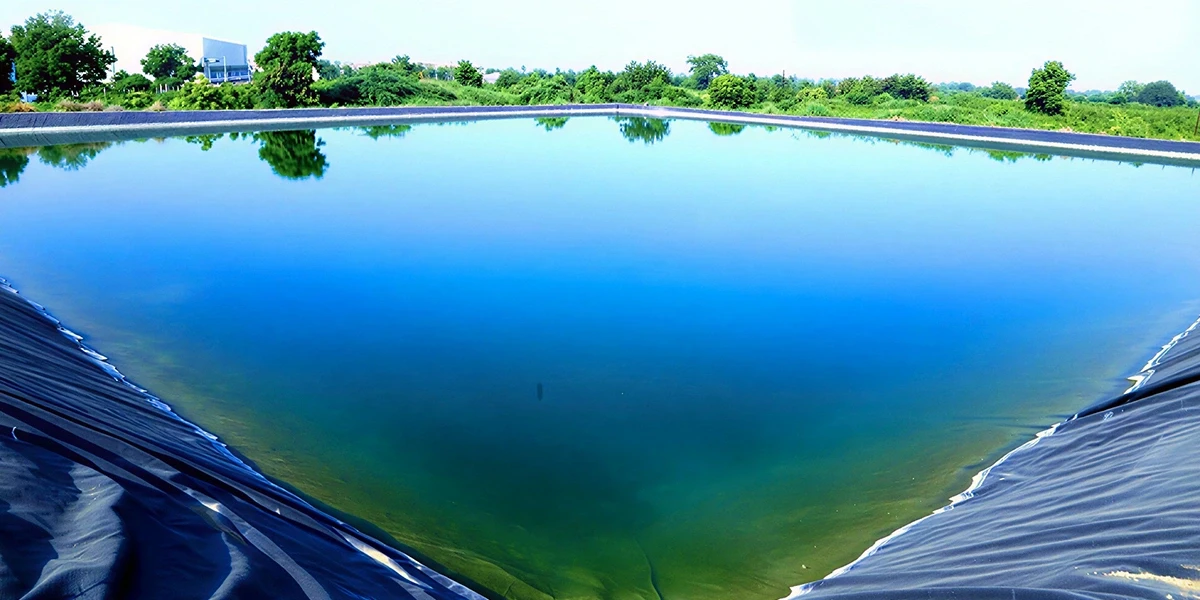
Using a pond liner creates a strong wall between the water and the dirt. This wall stops seepage. It ensures that the water you collect stays in the pond until you need it. For farmers, this means having water even during the dry summer months. It is a smart way to manage resources and grow more food.
Not all ponds are the same. Some are small for a family farm, while others are huge for big estates. The material you choose for agricultural pond liners depends on your specific needs. Here are the most common choices:
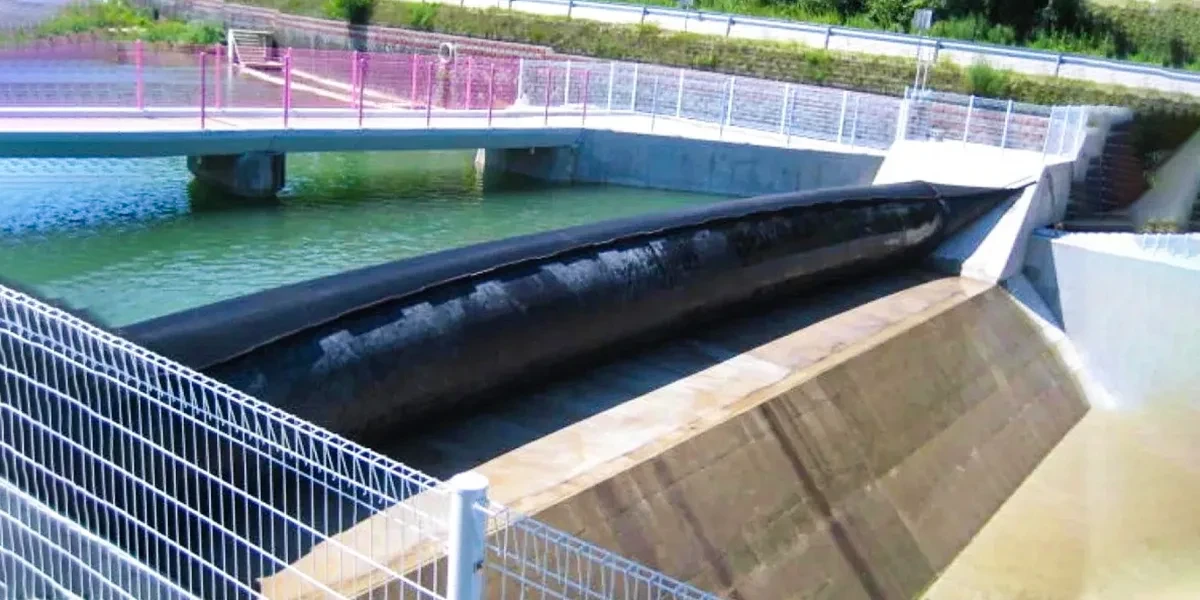
At Yooil Envirotech, we often suggest BGM for the most demanding jobs. This is a mix of bitumen and strong fabric. It is very heavy-duty. It stays in place even on steep slopes. It is one of the top agricultural pond liners for projects that must last for many decades.
This is a very popular choice for large projects. HDPE is a strong plastic that can handle a lot of weight. It is tough and does not tear easily. It also stands up well to the hot sun. Many large farms choose this because it lasts for a long time.
PVC is a light and flexible material. It is easy to move around and install. This makes it a good pick for medium-sized ponds with many curves. However, it needs to be covered with a layer of soil to protect it from the sun.
This material feels like a thick rubber sheet. It is very stretchy. It works well if the ground is rocky or uneven. It is one of the most durable agricultural pond liners available, though it can be more expensive than plastic options.
Investing in pond lining might seem like a big step at first. But over time, it saves a lot of money. Without a liner, you might lose up to 90 percent of your water to the ground. This means you have to pump more water from wells or buy it from outside. Pumping water uses electricity or fuel, which costs money.
When you use proper pond lining, you stop that loss. Your pond stays full with just the rain. You also spend less time fixing eroded pond walls. The liner holds the shape of the pond. This keeps the water clean and free from too much mud.
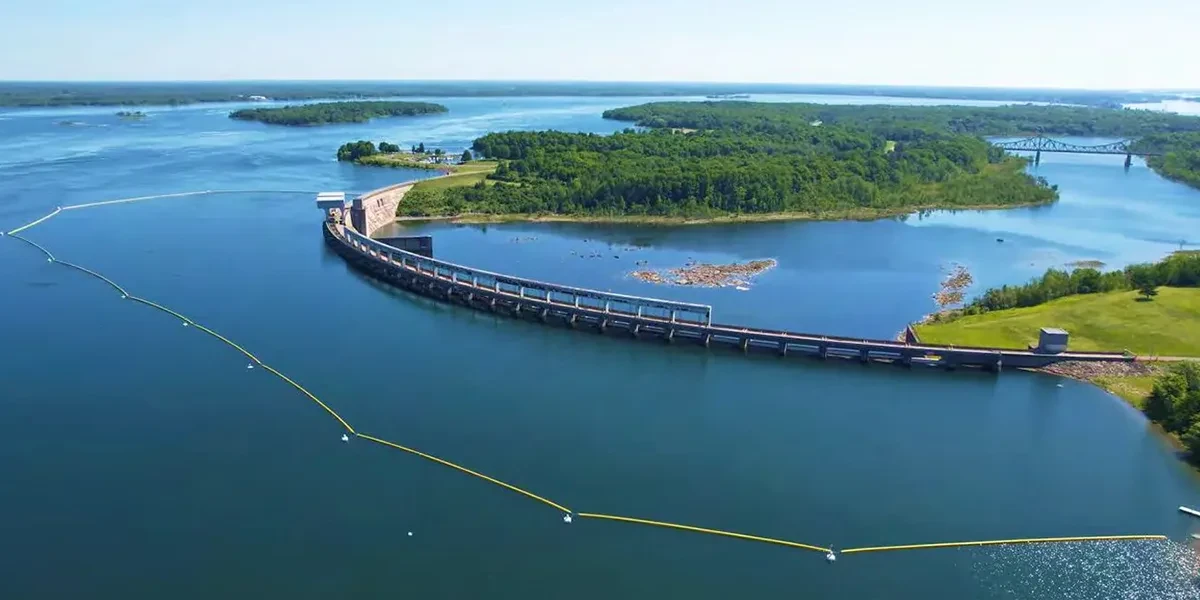
Sometimes, water storage is not just for small fields. Big factories or large-scale irrigation projects need industrial pond liners. These are much thicker than what you would use for a backyard garden.
Industrial pond liners must be able to handle chemicals or very high water pressure. They are often used in mining or for treating wastewater. In agriculture, they are perfect for massive reservoirs that hold millions of liters of water. Yooil Envirotech provides these heavy-duty solutions to ensure that even the biggest projects stay leak-proof.
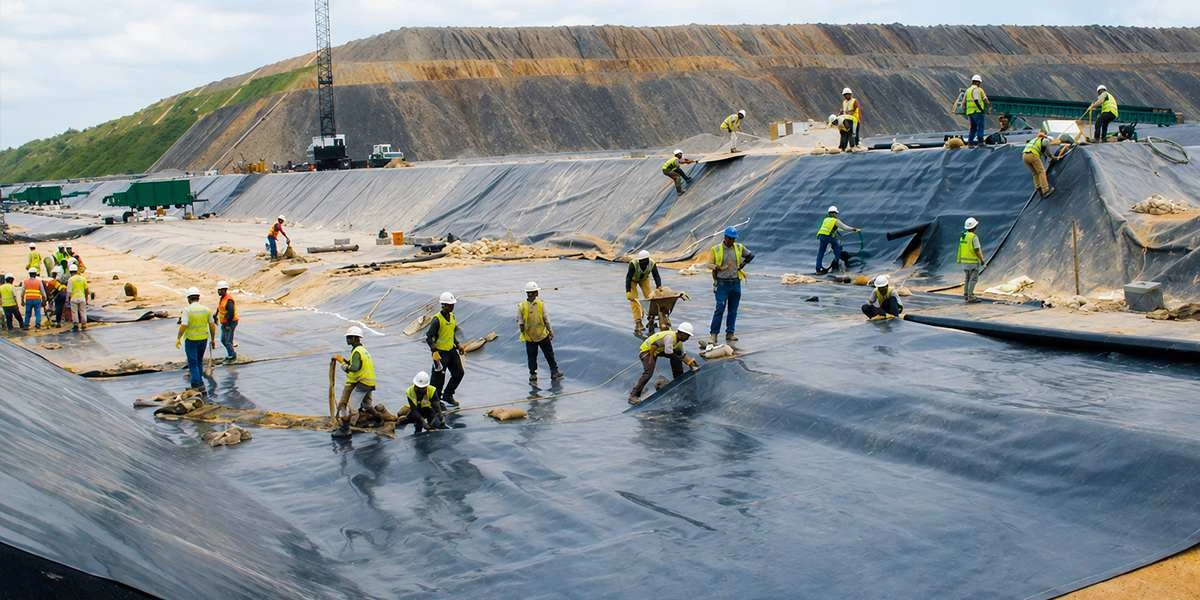
The success of your water storage depends on how you go about lining ponds. You cannot just throw a sheet over the dirt. It takes a few simple steps to do it right:
By following these steps for lining ponds, you ensure the material does not slip or get damaged.
Every piece of land is different. Some soil is hard like rock, and some is soft like sand. When looking at agricultural pond liners, think about your weather too. If your area is very hot, you need a liner that loves the sun. If you have many sharp rocks, you need a thicker material.
Yooil Envirotech works with you to pick the best fit. We look at the size of your pond and what you want to do with the water. Whether you need a simple pond liner for a small farm or a fleet of industrial pond liners for a big company, we have the right choice.
Once your pond is ready, you want it to last. A good pond liner can last 20 years or more if you treat it well. Try to keep animals with sharp hooves away from the edges. You can also plant grass or put flat stones around the top. This protects the material from the air and sun.
Regular checks are also a good idea. Look for any tears or places where the dirt has moved. Fixing a small hole early is much easier than fixing a big leak later. Good pond lining is the foundation of a reliable water system.
At Yooil Envirotech, we believe that every drop of water counts. Our team works hard to provide the best materials for farmers and industry leaders. We know that rainwater harvesting is the future of farming. By choosing us, you get high-quality industrial pond liners and expert advice. We are here to help you build a system that keeps your land green and your business growing for many years to come.
The best pond liner for a farm is often HDPE or BGM. These materials are very strong and can handle the tough outdoor conditions of a farm. They stay waterproof for many years and do not break down easily.
Professional pond lining stops water from soaking into the ground. This means all the rainwater you catch stays in the pond. You can then use that stored water for your crops whenever the weather gets too dry or hot.
Small projects for lining ponds can be a DIY task. However, for large farm ponds, it is better to have experts help. Large sheets are heavy and need special tools to seal the seams so they never leak water.
Most high-quality agricultural pond liners last between 15 and 30 years. The exact time depends on the material you choose and how well you protect it from the sun. Covering the edges with soil or rocks helps them last longer.
Big sites have more water pressure and bigger risks. Using industrial pond liners ensures the material is thick enough to hold the weight of the water. These liners are built to be extra tough for the most difficult jobs.