

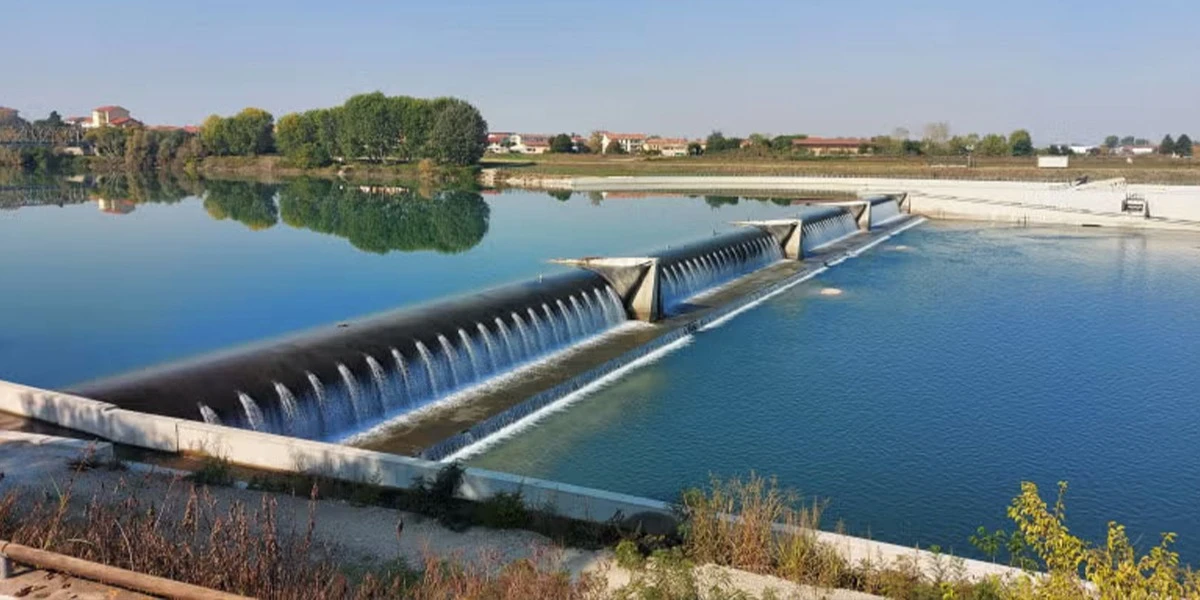
Water is the most important resource for India. As our cities grow and our farms need more water, we have to find better ways to store it. For many years, we built big concrete dams. These dams take a long time to build and cost a lot of money. Today, things are changing. Many water infrastructure companies in India are now looking at a smarter choice. They are moving toward inflatable rubber dams.
One company is leading this big change: Yooil Envirotech. They are bringing world-class technology to our rivers and canals. In this blog, we will look at why this new technology is the future of water in India and how Yooil is making a difference.
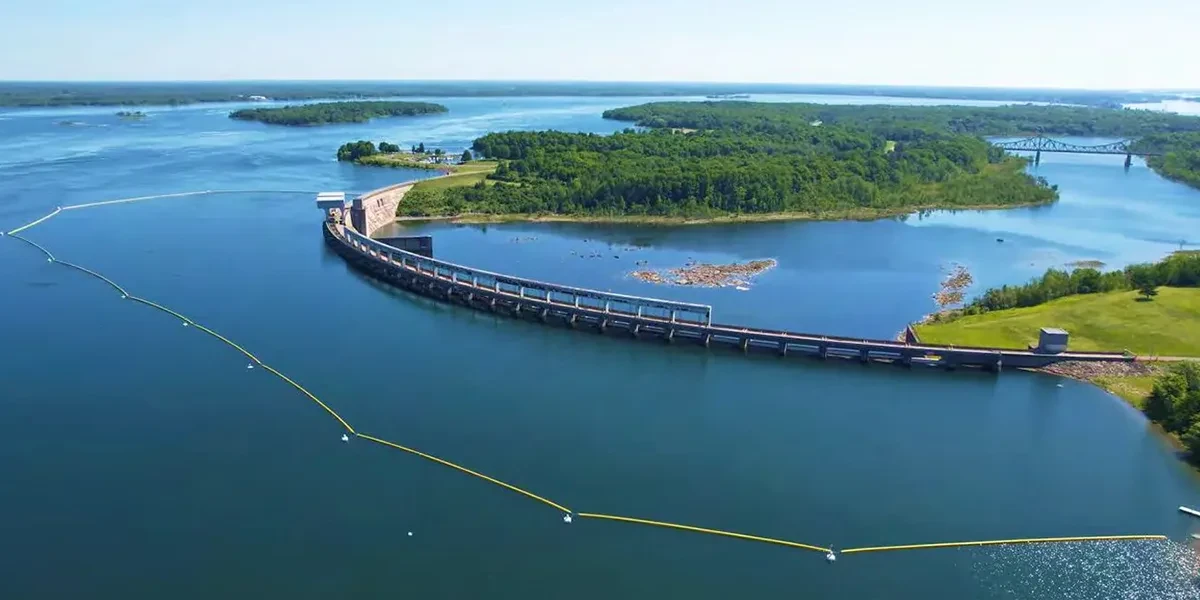
India has about 6,000 large dams. But here is a fact that might surprise you. More than 1,000 of these dams are between 50 and 100 years old. Over 200 dams are even older than a century. This means our old water systems are getting tired. They need a lot of repairs. Also, building new concrete dams can take 5 to 10 years. In a country where the population is growing fast, we cannot wait that long.
The government is also worried about safety. Reports show that safety checks for about 5,000 large dams are still pending. This is why water infrastructure companies in India are searching for faster and safer ways to manage water. This is where the air filled rubber dam comes in.
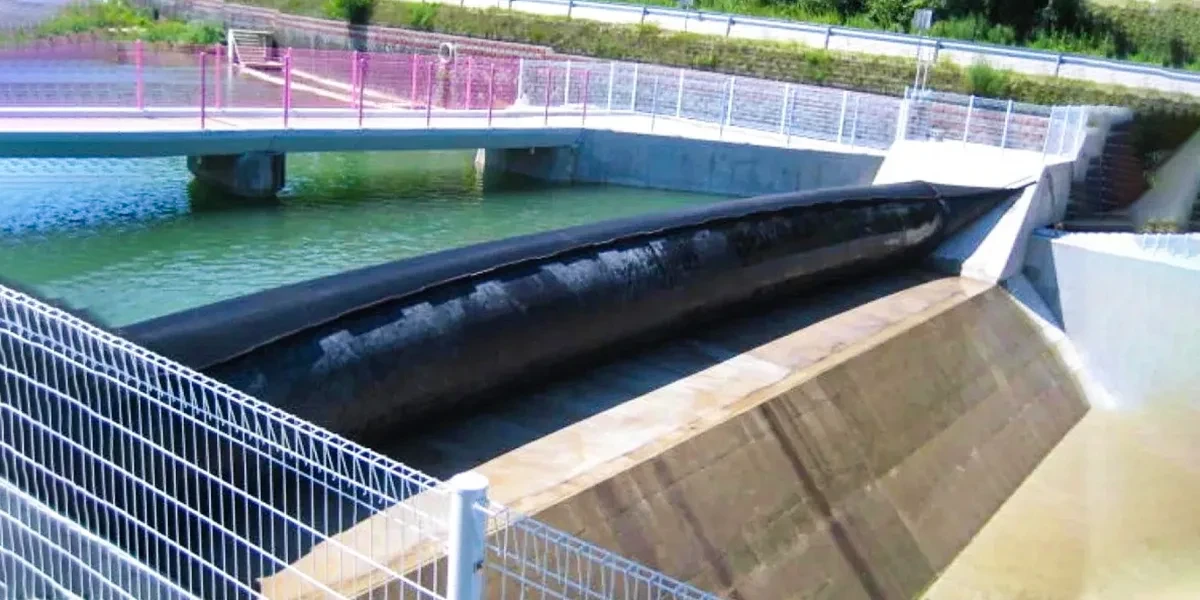
An inflatable rubber dam is a flexible barrier made of strong rubber. Think of it like a huge, tough balloon that sits across a river. When we need to store water, we fill it with air or water. This makes it stand up and block the flow. When there is a flood or we do not need the water, we let the air out. The dam then lies flat on the riverbed.
This technology is very clever. It is not stiff like concrete. It can change its shape based on what the river needs. This makes it perfect for the rubber dam river projects we see today across India.
There are many reasons why companies and the government love this technology.
A concrete dam takes years. A rubber dam can be ready in just a few months. Once the concrete base is ready, the actual rubber part can be installed in as little as two weeks. This is a huge win for states that need water right away for farming.
Building a rubber dam costs much less than a concrete one. It needs fewer materials and less labor. Also, the maintenance is very easy. Since the rubber does not rust, you do not have to spend a lot of money on paint or repairs every year.
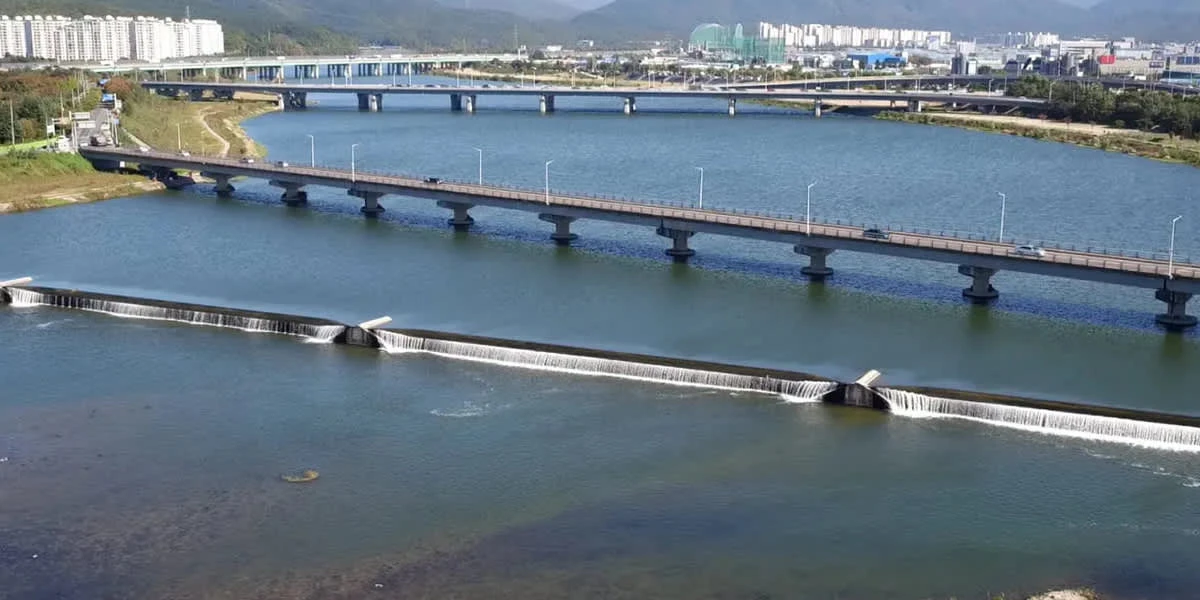
Concrete dams can block fish from moving up and down the river. They also trap dirt and sand. An inflatable rubber dam is different. When it is deflated, the river flows naturally. Fish can swim freely, and the river stays healthy. This is why it is called a "green" technology.
When we talk about this technology in India, we must talk about Yooil Envirotech. They are a part of Yooil Engineering from South Korea, which started in 1989. Over the years, they have finished more than 400 projects around the world.
Yooil has done amazing things in India. They built the longest rubber dam in India, known as the Gayaji Dam in Bihar. This dam is 411 meters long and 3 meters high. It cost about 324 crore rupees. Because of Yooil, pilgrims at the Falgu River now have water all year round.
Yooil also built the first air filled rubber dam in Uttar Pradesh. They are even working on canal lining in Maharashtra. Their work shows that they are not just building dams; they are helping communities grow.
To understand how it works, you should know the parts that make it up. Here are the key rubber dam components:
This is the main body. It is made of several layers of strong fabric and rubber. It is 17 mm thick and very tough. Experts say it can even stop a bullet!
The rubber is fixed to a solid base on the river floor.
These are used to hold the rubber bladder tight against the concrete. Yooil uses materials that do not rust to make sure they last a long time.
This is the "brain" of the dam. It uses sensors to check the water level and tells the dam when to inflate or deflate.
The government is putting a lot of focus on water now. The Jal Shakti Ministry was given over 98,714 crore rupees in the 2024 to 2025 budget. A big part of this money is for projects like the Jal Jeevan Mission.
Here are some quick facts:
India’s farms depend on the monsoon. But the monsoon is not always on time. Sometimes there is too much rain, and sometimes there is none. Rubber dams help farmers store rainwater when there is plenty of it. Then, they can use it slowly during the dry months. This means farmers can grow more crops and earn more money.
The era of heavy and slow construction is ending. Water infrastructure companies in India are realizing that flexibility is the key. Inflatable rubber dams offer a way to manage our rivers without hurting them.
Yooil Envirotech is at the heart of this revolution. With their years of experience and successful projects like the Gayaji Dam, they are the trusted name for smart water solutions. They continue to prove that with the right technology, we can solve India’s water problems for a long time.