

When it comes to protecting the earth and managing water, choosing the right material is vital. If you are looking for a solution that lasts for decades, you have likely come across the term geo membrane. But what exactly makes certain types stand out? Among the many options available today, the Bituminous Geo Membrane (BGM) is often called the gold standard for durability.
At Yooil Envirotech, we believe in using technology that works with nature while standing the test of time. In this guide, we will explore why this material is the top choice for tough jobs and how it helps keep our environment safe.
Before we dive into the details, let's answer a basic question: what is geo membrane? In simple terms, it is a very low-permeability synthetic membrane liner or barrier. It is used with any geotechnical engineering-related material to control fluid or gas migration in human-made projects, structures, or systems.
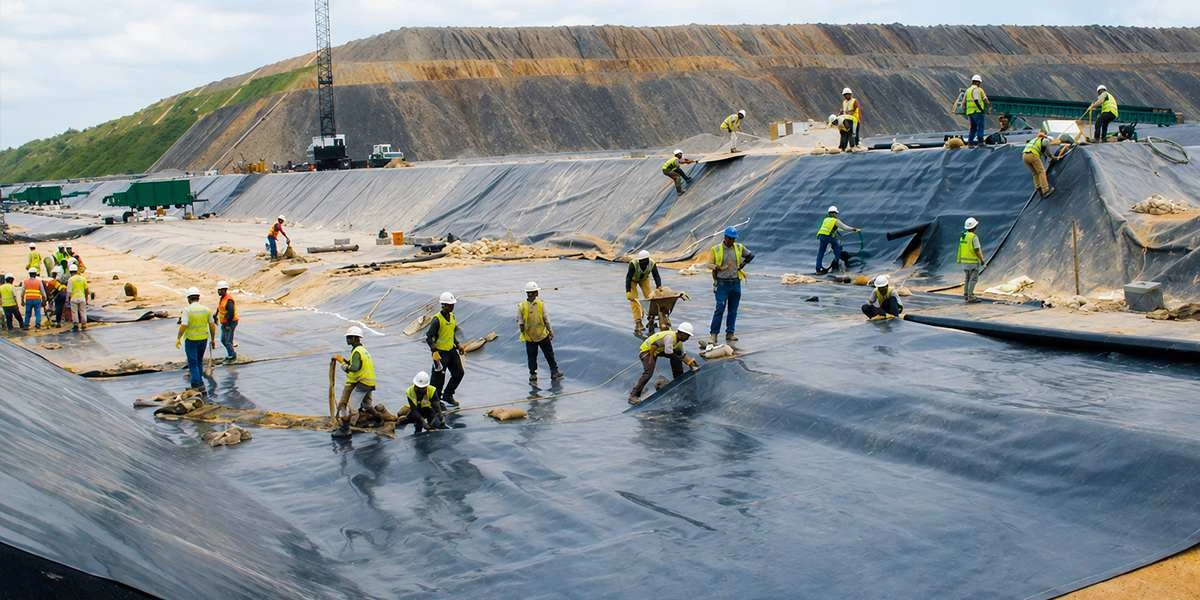
Think of it like a giant, heavy-duty waterproof sheet. However, it is much tougher than any plastic you have in your home. These liners are used in landfills, mining sites, and canals to stop hazardous liquids from soaking into the ground and polluting our clean water.
A Bituminous Geo Membrane is different from standard plastic liners like HDPE. It is made by soaking a non-woven polyester geotextile in a special type of bitumen (a thick, sticky form of petroleum). This mix creates a product that is heavy, flexible, and incredibly strong.
While a standard geo membrane might be thin and prone to punctures, the bituminous version is built to handle rough ground and heavy weight. Here are the key features that make it so durable.
One of the biggest risks on a construction site is a sharp rock or a piece of debris poking a hole in the liner. If a liner gets a hole, it fails. The Bituminous Geo Membrane has a thick, reinforced core. Because it uses a tough polyester mat inside, it can stretch and bend over rocks without tearing. This makes it much more reliable than thinner plastic sheets that might snap under pressure.
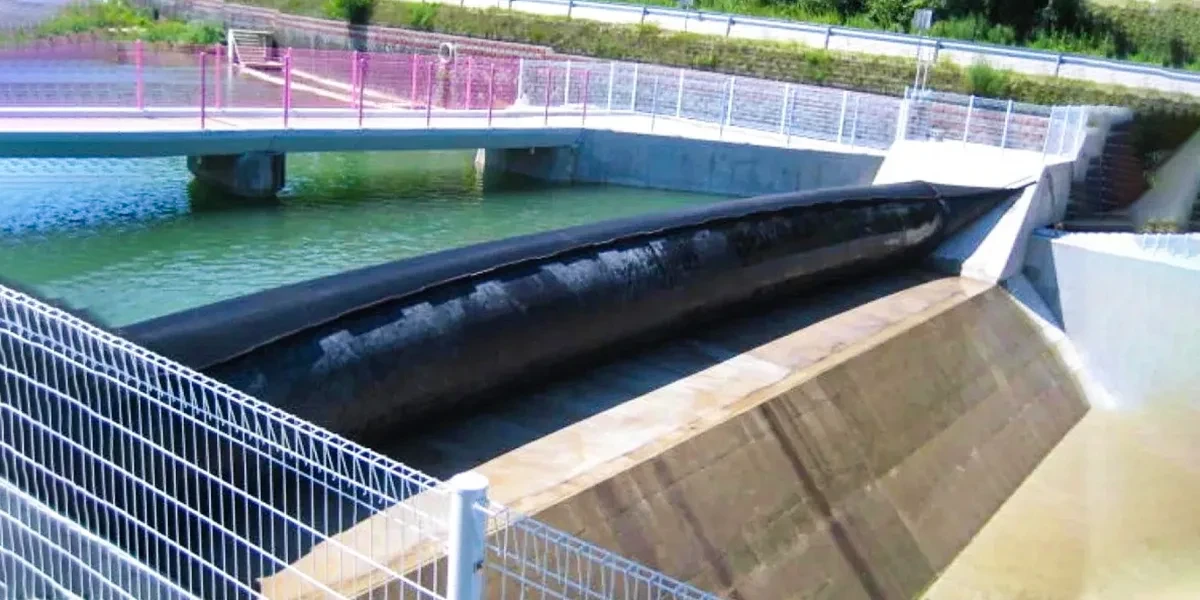
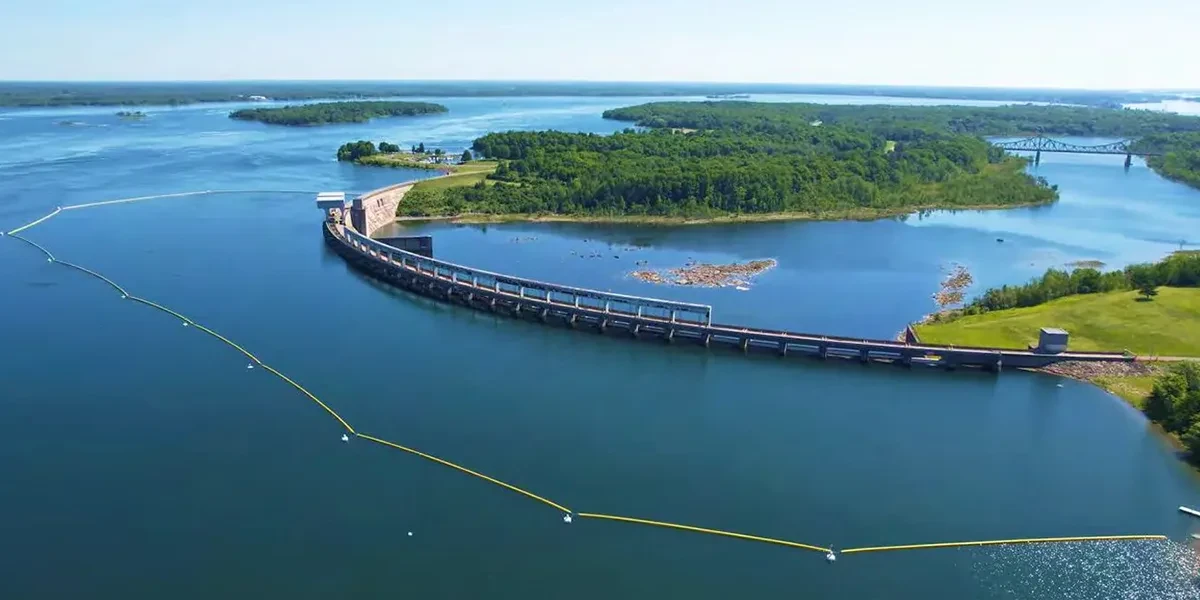
Many materials break down when they sit in the sun for too long. The sun's rays can make plastic brittle, leading to cracks. However, bitumen is naturally resistant to the sun. A Bituminous Geo Membrane can be left exposed to the weather for years without losing its strength. This is why it is the preferred choice for lining large water dams and canals where the material is not always covered by soil.
In many parts of the world, the ground can get very hot or very cold. Some types of geo membrane expand and contract a lot when the temperature changes. This movement can cause the seams to pull apart. Bitumen stays very stable. Whether it is in the heat of a desert or the cold of a mountain, the Bituminous Geo Membrane stays in place and keeps its shape.
If you are lining a steep slope, you need a material that stays put. Some liners are very slippery. This can cause the soil on top of them to slide down. Because the Bituminous Geo Membrane has a rougher texture, it grips the ground much better. This high friction angle makes it safer for building deep ponds or steep landfill cells.
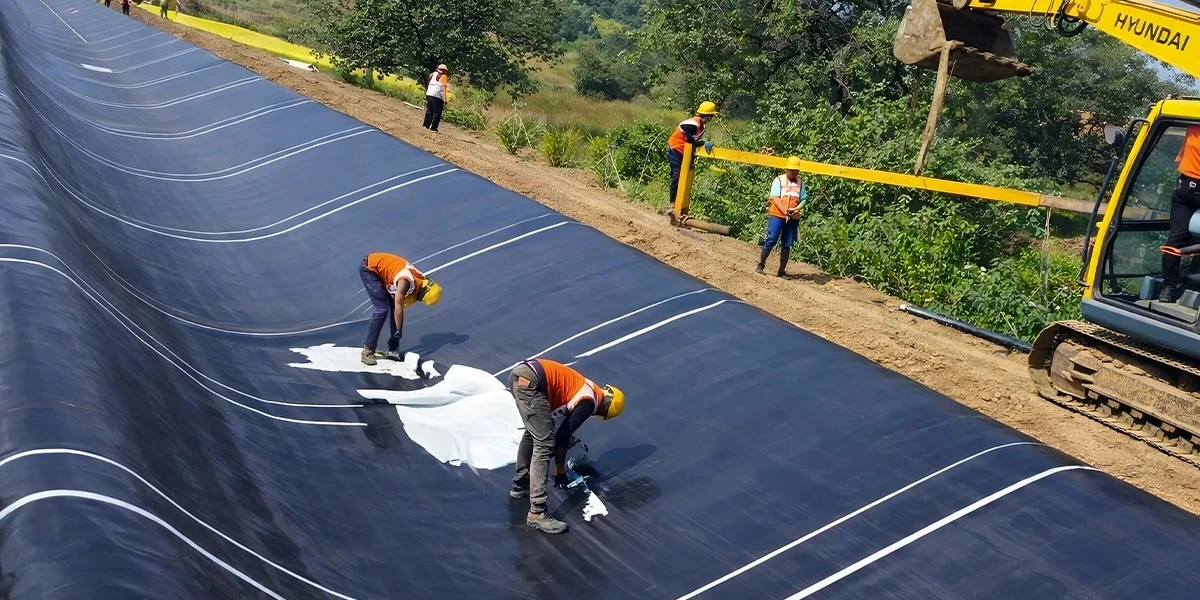
No matter how strong a geo membrane is, the seams (where the sheets meet) are often the weakest point. For most liners, you need complex welding machines and perfect weather to join them. With a Bituminous Geo Membrane, you use a simple gas torch to melt the edges together. This creates a bond that is actually stronger than the rest of the sheet. If a repair is needed years later, you can easily patch it using the same simple heat method.
The use of high quality liners is not just a good idea; it is often required by law. Government bodies like the Central Pollution Control Board (CPCB) and various environmental ministries emphasize the use of durable barriers to prevent groundwater contamination.
At Yooil Envirotech, we focus on quality because we know the cost of failure is too high. A cheap geo membrane might save money today, but it will cost much more if it leaks in five years. The Bituminous Geo Membrane offers peace of mind. It is heavy enough that it does not blow away in the wind during installation, and it is strong enough to handle the most demanding environments on earth.