

Choosing the right pond liner is the most important step in building a water feature that lasts. Whether you are making a small garden pond or a massive irrigation pond liner system for a farm, the material you pick will decide if your water stays put or leaks into the dirt. At Yooil Envirotech, we help people find the best solutions for water storage. We know that a pond is an investment. You want it to work well for many years without needing constant fixes. This guide will help you understand the different materials available and show you how to install a pond liner in a large pond the right way.
A pond liner acts like a skin for the earth. Without it, water would simply soak into the ground. This is a big problem for farmers and land owners. According to water management studies, unlined irrigation channels and ponds can lose between 35% and 68% of their water to seepage. This is a huge waste of money and natural resources. Using the best pond liner material ensures that nearly 100% of your water stays where you need it.
When you choose a material, you are looking for three things: strength, flexibility, and life span. Some materials are cheap but break easily in the sun. Others are heavy but can last for fifty years. Understanding these differences is the key to long-term success.
There are several types of liners on the market today. Each has its own pros and cons depending on the size of your project and your budget.
At Yooil Envirotech, we consider Bituminous Geomembrane or BGM to be the best pond liner material available today. This material is made by mixing high quality bitumen with a strong polyester fabric. It is much thicker and tougher than standard plastic sheets.
HDPE is a very common choice for large-scale projects. It is a strong plastic that comes in large rolls. Because the rolls are wide, there are fewer seams to join together. This makes it a popular choice for an irrigation pond liner on a budget.
EPDM is a type of synthetic rubber. It is very popular for backyard ponds because it feels like a giant inner tube. It is very stretchy and easy to work with.
PVC is a common plastic used in many items. As a pond liner, it is a budget-friendly option for smaller projects.
Yooil Envirotech has a long history of helping farmers and industries. Our installed pond liners have changed how water is managed in many regions. For example, in Falna, Rajasthan, we worked on a percolation pond for Cello Consumerware Pvt Ltd. This area faces high heat and low rain. By using a BGM pond liner, we created a barrier that stopped water from simply disappearing into the dry ground. This allowed the water to be directed into recharge wells to help the local groundwater levels.
Another major project for a BGM irrigation pond liner was in Santiago, Chile. We lined a massive reservoir of 4,80,000 square meters. This project helps provide drinking water for millions of people. These installed pond liners prove that BGM is the top choice when you need a system that lasts for decades without leaking.
In the mining world, our pond liner solutions stop dangerous chemicals from reaching the soil. In tailing ponds, where waste water is stored, BGM acts as a shield. It resists acids and heavy metals that would otherwise poison the earth.
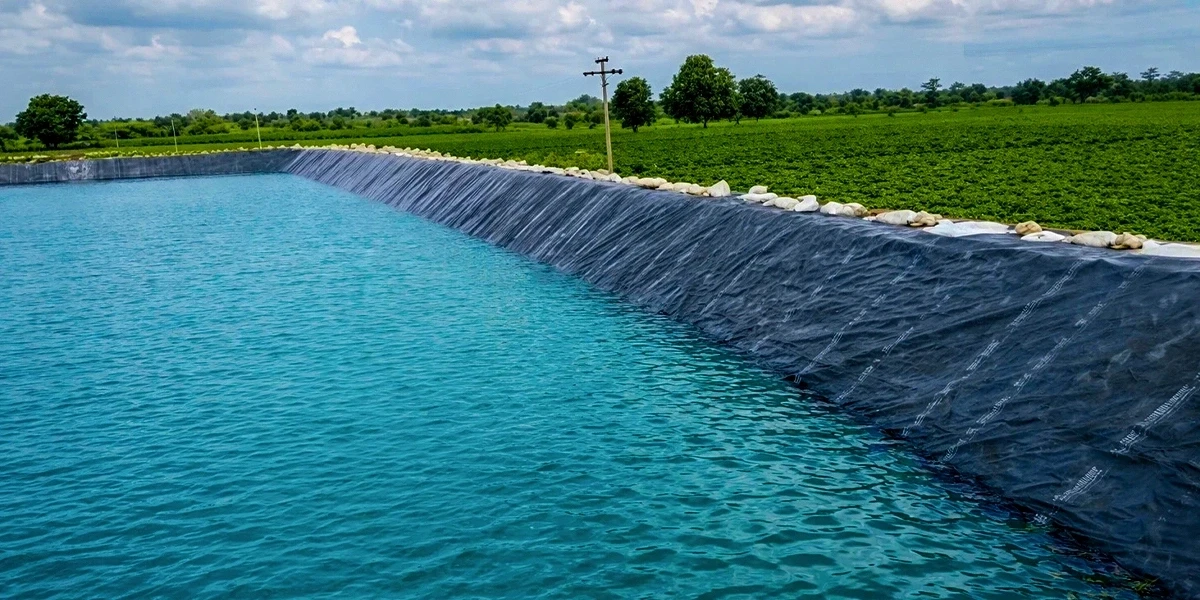
When you are building an irrigation pond liner for a farm, the stakes are higher. These ponds hold millions of liters of water used for crops. If the liner fails, the crops could die, and the soil could erode.
For these large projects, durability is the number one goal. You need a material like BGM or HDPE that can handle the weight of the water and the movement of the earth. Many government agriculture departments recommend using liners that meet specific thickness standards. A thickness of 0.75mm to 1.5mm is common for heavy-duty use.
Learning how to install a pond liner in a large pond is a big task, but it can be done with a clear plan. You cannot just throw the liner into a hole and hope for the best. Follow these simple steps for a professional finish.
Clear the area of all sharp rocks, roots, and trash. Even a small pebble can eventually poke a hole in your pond liner because of the heavy weight of the water. Once the hole is dug, rake the bottom until it is smooth.
Never put your liner directly on the dirt. Use a protective underlay first. This is a soft fabric that acts as a cushion. It protects the main liner from any sharp objects that might work their way up through the soil over time.
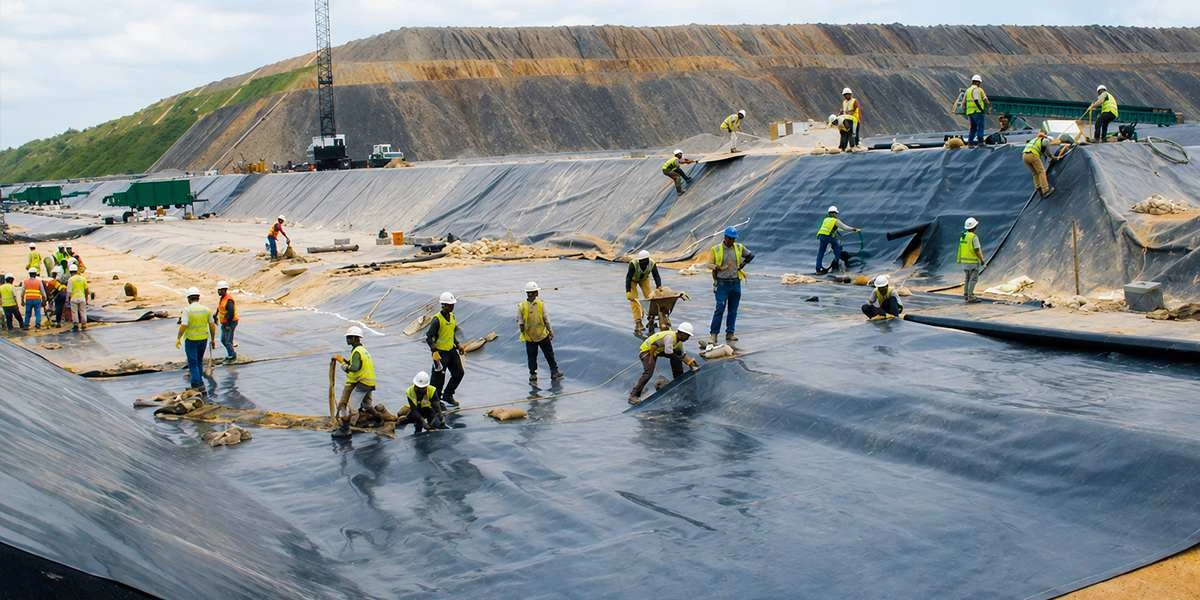
On a warm, sunny day, unroll your material. The sun makes the plastic or rubber softer and easier to move. For a large pond, you will need a team of people to help pull the liner across the space. Do not drag it, as this can cause scrapes. Instead, lift and place it. For BGM, professional welding is used to join the sheets together for a perfect seal.
Start filling the pond with water. The weight of the water will push the liner into the shape of the hole. As it fills, walk around the edges and pull out any large wrinkles. Do not try to get it perfect all at once. Let the water do the work.
Once the pond is full, you need to secure the edges. Dig a small trench around the top of the pond. Tuck the extra liner into this trench and fill it with soil or heavy rocks. This keeps the liner from slipping down into the water.
Even the best pond liner material needs a little care to last for decades.
Water conservation is a top priority for governments around the world. In India, the Ministry of Agriculture promotes the use of plastic film lining for farm ponds to save water. Studies show that lining a pond can increase water availability for irrigation by up to 50% compared to unlined earthen ponds.
The global market for pond liners is growing fast. Reports show that the market was worth about 2.05 billion dollars in 2025 and is expected to reach over 3 billion by 2030. This growth is driven by the need for better water management in farming and industry. By choosing a high-quality pond liner, you are joining a global effort to save water.