
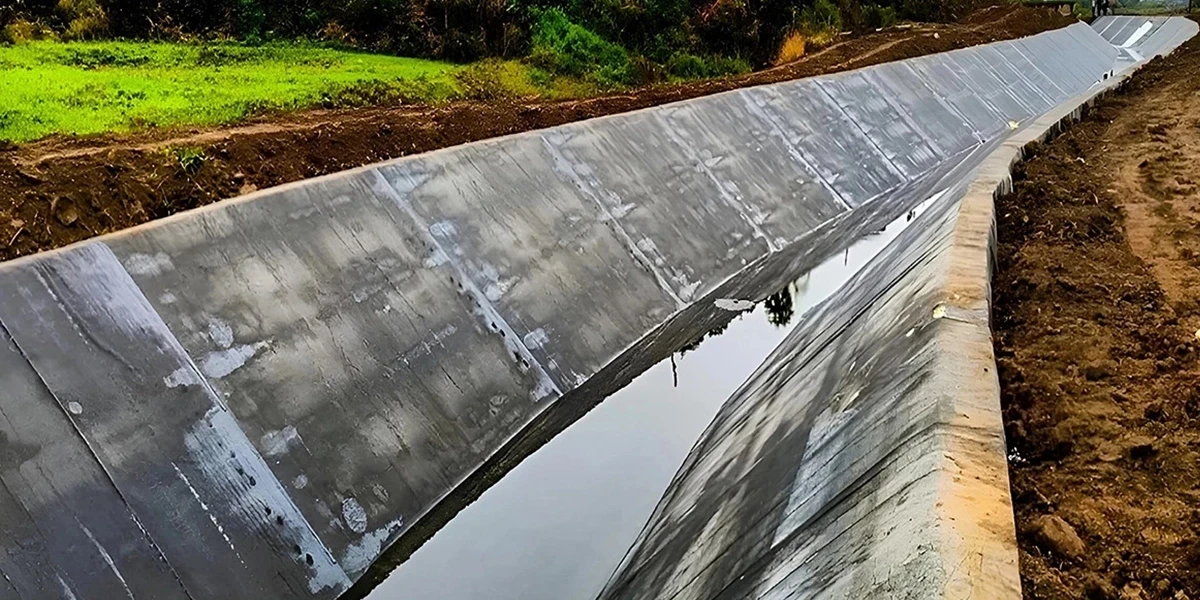
Water is the life of any farm or town. When we build a canal, we want to make sure every drop gets to where it needs to go. Many old canals are just dirt paths for water. These can be wasteful because water sinks into the ground before it reaches the end. This is why concrete lining in canal projects is so important today.
At Yooil Envirotech, we believe that smart water management starts with strong foundations. A lined canal is like a sealed pipe that is open to the sky. It keeps the canal water safe from being lost. If you are planning a project, you need to know how much it will cost. This guide will help you understand the price of making your canal better and stronger.
Before we look at the bills, we must ask why we do this work. The purpose of canal lining is to stop leaks. When water moves over bare soil, it seeps away. This can cause the ground nearby to become too wet, which is called waterlogging. It can also bring salt to the surface, which hurts plants.
By using concrete linings, we create a smooth and hard wall. This wall does three big things. First, it stops water from sinking into the dirt. Second, it lets water move faster because there is less friction. Third, it stops weeds and plants from growing inside the canal. Weeds can block the flow and make the water move very slow. A proper cost estimation also becomes easier when you have a clean and smooth lining canal, and you save money on cleaning and repairs for many years.
Every canal is different. Some are small and carry water to a few fields. Others are huge and cross miles of land. Here are the main things that will change your cost estimate:
A wide and deep canal needs more materials. We measure this by the "wetted perimeter." This is the total length of the bed and the two sides that the concrete will cover. More surface area means more concrete, more steel, and more labor.
You cannot just pour concrete on messy dirt. The ground must be dug out and leveled. This is called excavation. If the soil is very soft, you might need to add a layer of sand or gravel first. This prep work ensures the concrete lining in canal stays firm and does not crack when the ground moves.
Not all concrete is the same. Some projects use a simple mix, while others need a very strong grade like M-15 or M-20. The cost of cement, sand, and stones varies by location. If the site is far away, the cost of bringing these materials to the canal will be higher.
In some places, people do the work by hand. In others, big machines like "canal pavers" are used. Machines are faster and make a smoother finish, but they cost more to rent. Using skilled workers is a must for concrete linings to ensure they last for decades.
To get a rough idea of the price, you can follow these simple steps. Most engineers use a "per square meter" rate.
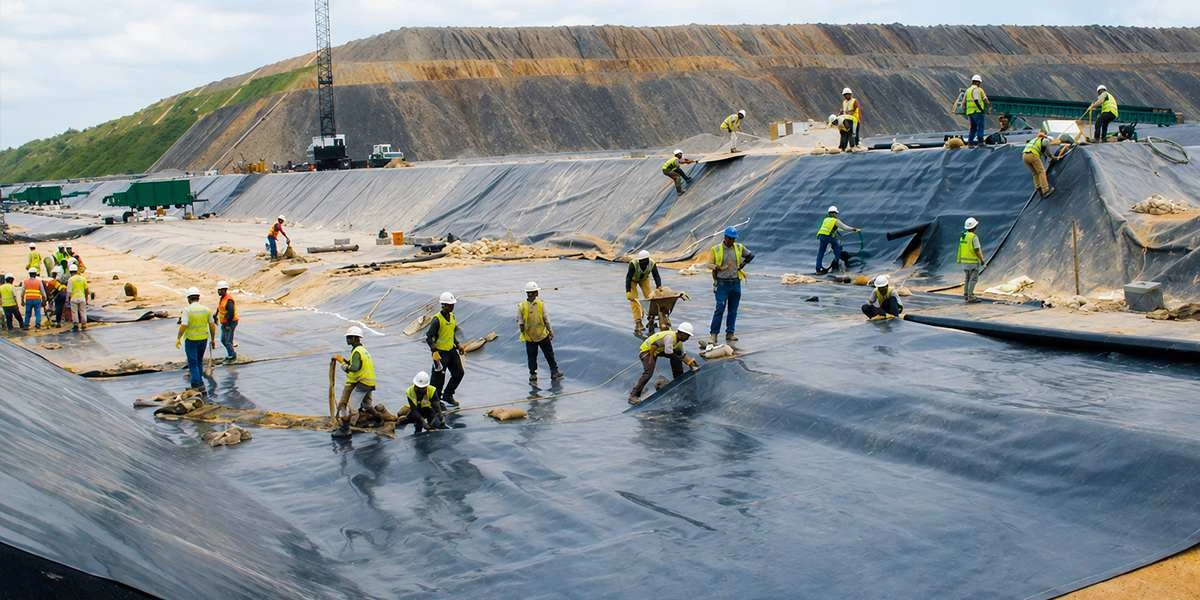
At Yooil Envirotech, we see many canals fail because the materials were cheap. If the concrete linings are too thin, they will break. If the joints are not sealed, the canal water will still leak out. This is why we also suggest looking at modern tools like Bituminous Geo Membranes (BGM). While we are talking about concrete today, sometimes a mix of materials works best for tough soil.
Investing in a high-quality lining canal might cost more on day one. However, if you look at the next twenty years, it is the cheapest choice. You will not have to pay people to dig out weeds or fix broken walls every season. Most importantly, you will have more water to use.
There are ways to keep costs down. One way is to use "pre-cast" slabs. These are concrete tiles made in a factory and then brought to the site. They are often cheaper to install than pouring wet concrete in the field. Another way is to ensure the canal water flow is designed perfectly so the canal does not need to be bigger than necessary.
Building a concrete lining in the canal project is a big step toward better farming and water use. By knowing the purpose of canal lining, you can see it as an investment rather than just a cost. It protects our most precious resource and makes sure every drop of canal water is used well.
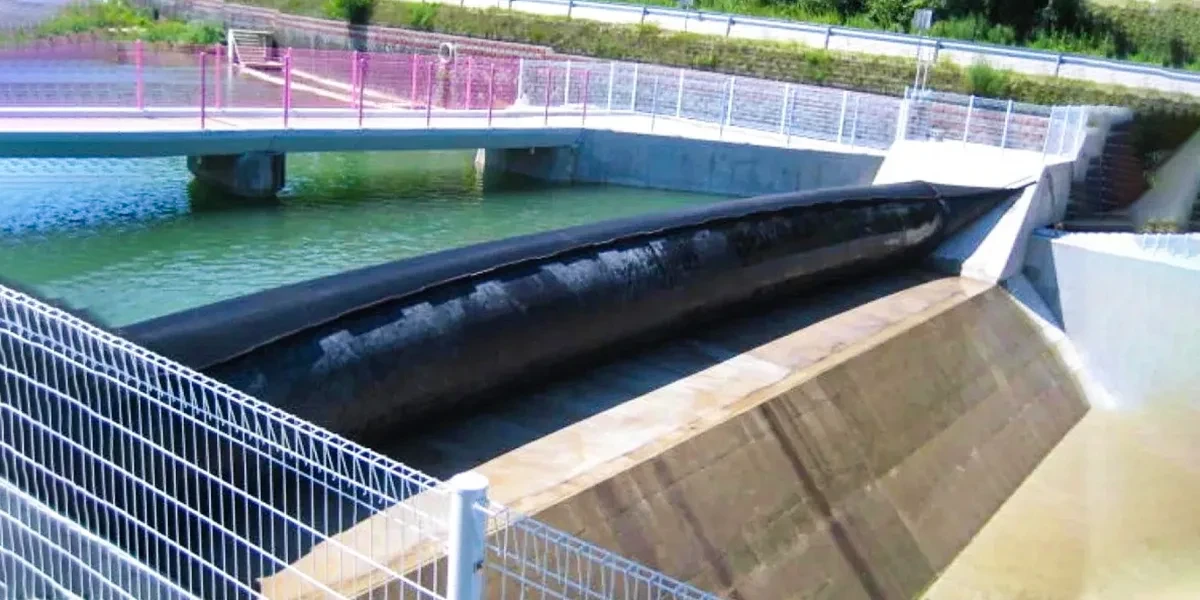
Whether you are looking for traditional concrete lining or modern solutions like rubber dams and geomembranes, Yooil Envirotech is here to help. We bring years of global experience to every lining canal project. Let us help you build a system that stands the test of time.