

Water is the most precious resource we have, but it is also one of the hardest to manage. In a country like India, we often deal with two extremes. One month, we have too much water from monsoon rains, and a few months later, we are struggling with dry riverbeds.
If you have ever looked at a river and wondered how we can stop water from just flowing away into the ocean, you are thinking about water management. One of the coolest and most effective tools for this job is the water inflatable rubber dam.
In this blog, we will look at how these dams work, why they are perfect for winter and dry seasons, and how they are changing the landscape of the rubber dam in India.
Before we dive into the seasonal benefits, let's start with the basics. What is rubber dam in river exactly?
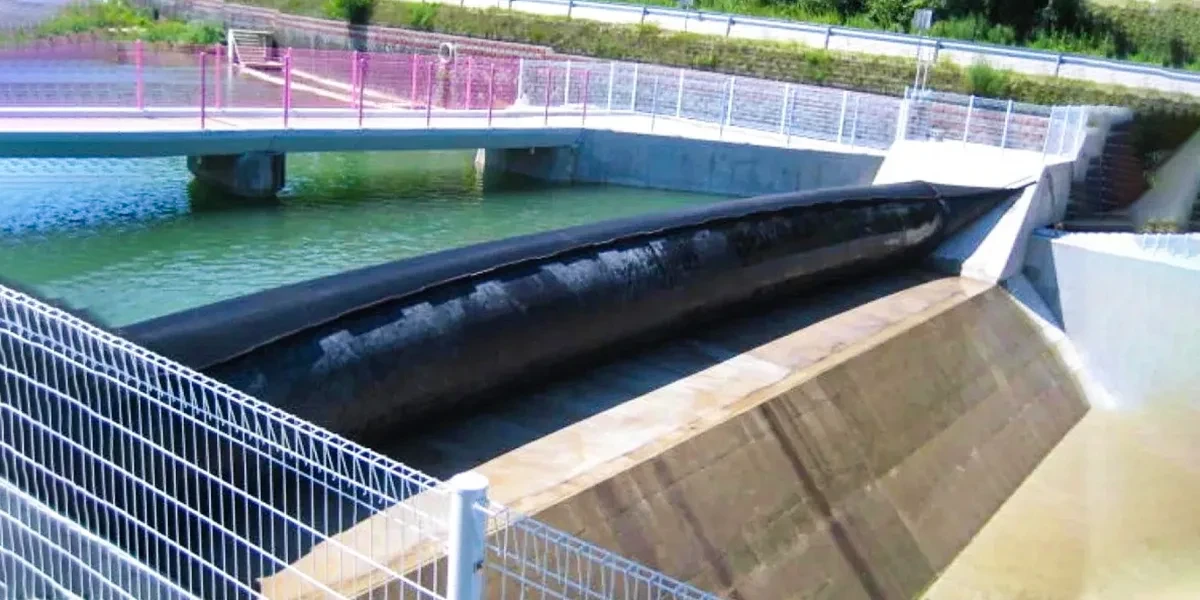
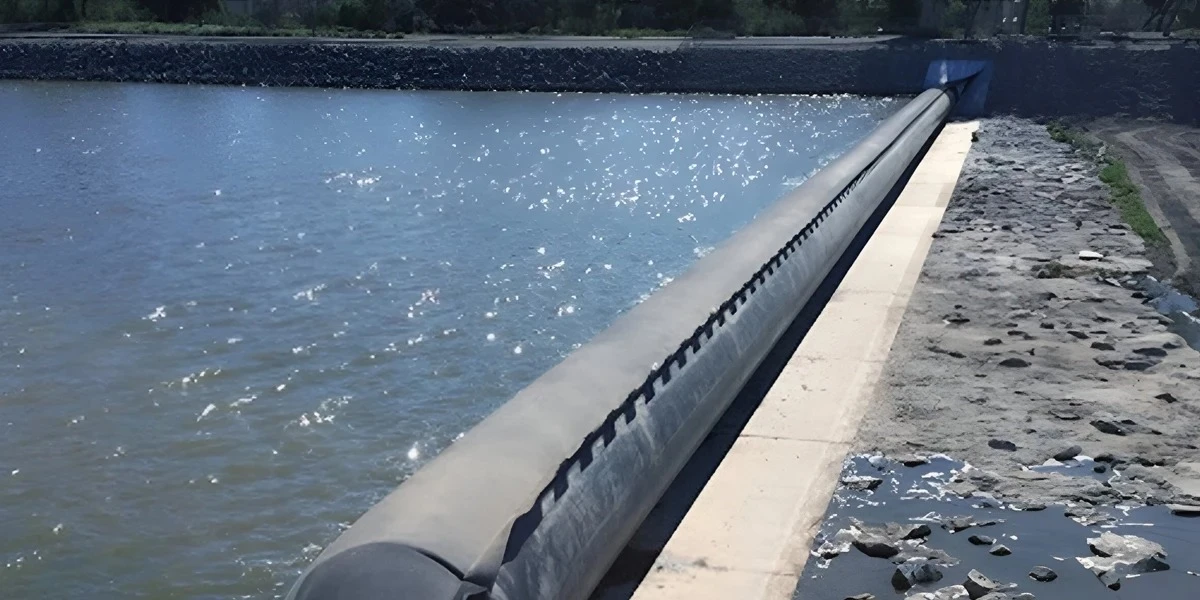
Think of a traditional dam made of concrete. It is permanent, heavy, and very expensive. A rubber dam is different. It is a long, flexible tube made of high-strength rubberized fabric. These tubes are fixed to a concrete foundation across a river.
When we need to block or store water, we fill the tube with air or water. It inflates and stands tall like a wall. When we need to let the water pass, such as during a flood, we simply deflate it. It lies flat on the riverbed and lets the water flow over it. It is like a giant, controllable balloon for the river.
In many parts of the world, especially in the tropical climate of India, rivers are seasonal. During the monsoon, they are full. But as soon as winter hits and the dry season begins, the water levels drop fast.
This creates a few major problems:
This is where rubber dam water management becomes a lifesaver.
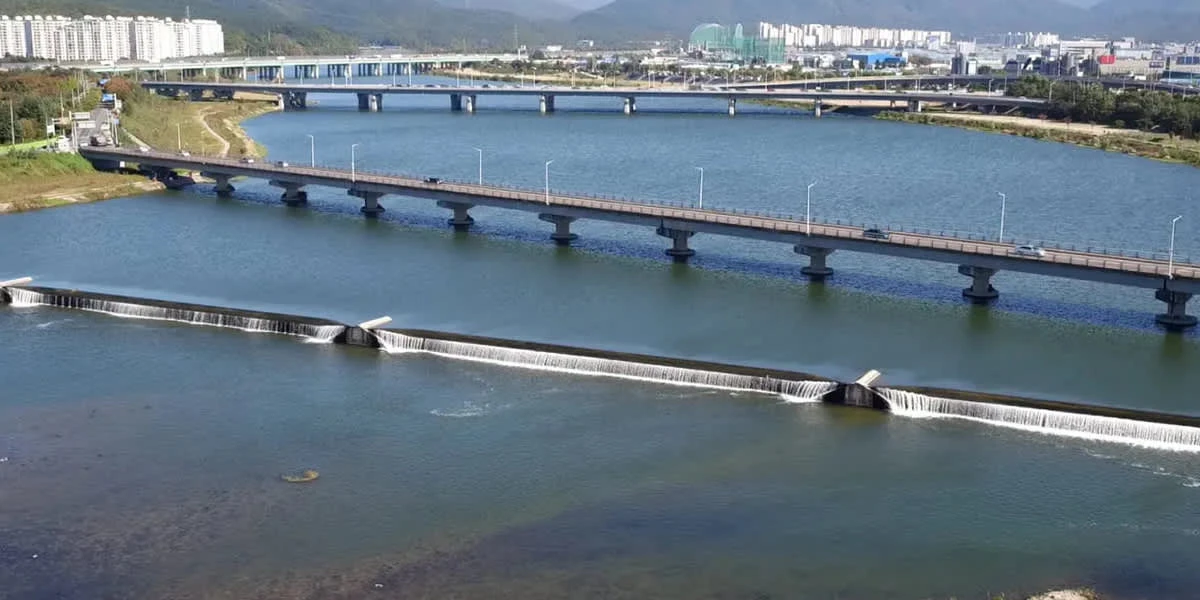
The beauty of a water inflatable rubber dam is its ability to create a reservoir exactly when you need it. As the rainy season ends, engineers can inflate the dam. This catches the last of the receding water and holds it back.
In the dry season, every liter of water counts. By inflating the rubber dam, we create a pool of water behind it. This water can be diverted into canals for farms or sent to water treatment plants for people to drink.
When water sits in a river instead of flowing away, it has time to seep into the ground. This is called groundwater recharge. In many parts of India, this helps keep local wells full even when it has not rained for months.
In areas near the coast, dry seasons are dangerous. When river levels are low, the salty water from the sea starts to flow inland into the river. This ruins the soil and the drinking water. A rubber dam acts as a shield. It keeps the fresh water in and stops the salt water from coming up the river.
Not all rivers are the same, so there are different rubber dam types to choose from. Depending on the location and the goal, Yooil Envirotech helps select the best fit.
These are inflated using large blowers. They are very fast to inflate and deflate. They are great for places where you might need to react quickly to weather changes. Because they use air, they are also very light.
These are filled with water. They are very heavy and stable. Because the weight of the water inside the dam matches the water in the river, they do not vibrate or shake when water flows over them. These are often used for very long spans across wide rivers.
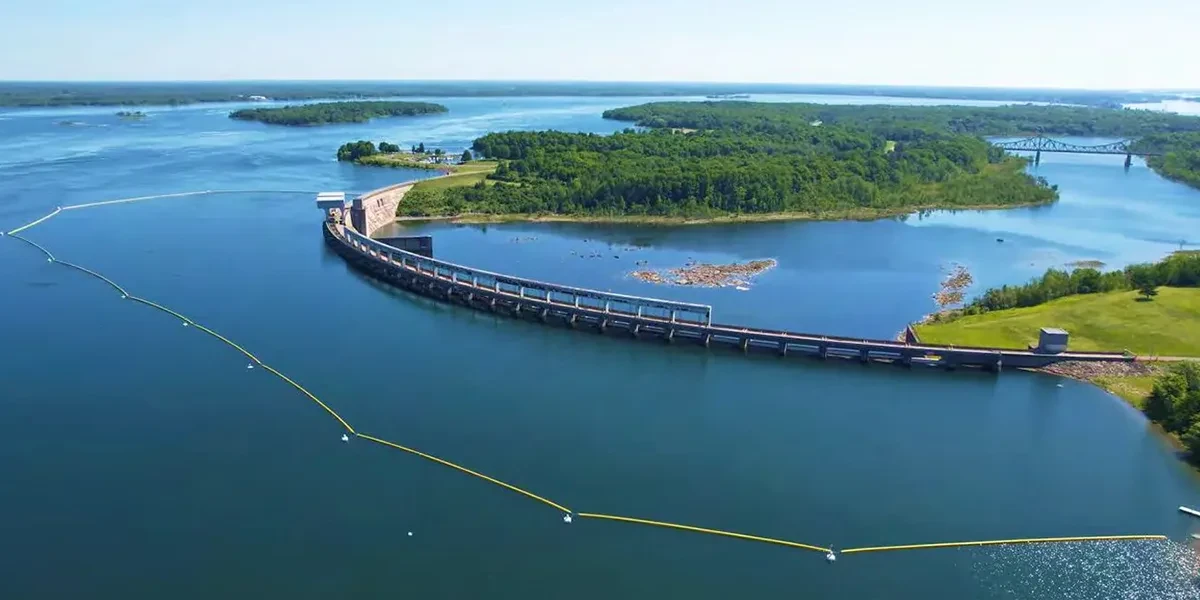
The use of rubber dam in India is growing fast. Traditional concrete dams take years or even decades to build. They also require moving a lot of earth and can hurt the local environment.
Rubber dams are much "greener." They can be installed in a few months. They do not require huge amounts of concrete. Most importantly, they do not block the natural flow of silt and fish forever. When they are deflated, the river returns to its natural state.
States like Odisha, Andhra Pradesh, and Bihar have already started using these dams to help their farmers. They are proving to be the best way to manage rubber dam water in a way that is cheap and effective.
At Yooil Envirotech, we believe that technology should work with nature, not against it. Our rubber dams are built to last. They can handle the hot sun of the Indian summer and the cold nights of winter.
We use high-quality materials that resist tears and UV rays. Whether it is for a small stream or a large river, we provide the engineering heart that keeps the water where it is needed most.
Managing water in the winter and dry seasons does not have to be a losing battle. With a water inflatable rubber dam, we can capture the gifts of the monsoon and save them for the months when the sun is harsh and the ground is thirsty.
It is a simple, smart, and modern way to make sure that no village or farm goes without the water they need. As we look to the future of rubber dam in India, these flexible structures will play a huge role in making our country water-secure.
A water inflatable rubber dam is a flexible tube made of strong rubber. When filled with air or water, it rises to block the river flow. This creates a pool of water for farming or drinking during dry seasons.
When people ask what is rubber dam in river, the answer is water control. It is used to store water for irrigation, prevent floods, and stop salty sea water from entering fresh river areas during the low flow months.
Yes, the number of rubber dam in India projects is increasing. Many states use them because they are cheap and fast to build. They help Indian farmers save water during the winter when the rain stops for a long time.
There are two main rubber dam types based on what is inside. Air-filled dams are quick to move and easy to use. Water-filled dams are very stable and heavy. Both types help in managing river levels very effectively.
You can store rubber dam water for the entire dry season. By keeping the dam inflated from late autumn through spring, you keep the river full. This provides a steady supply of water for crops and local people.