

Managing water is one of the most important jobs for any country. In India, we often face two big problems. One is having too much water during the monsoon. The other is not having enough water for farming in the summer. For a long time, we built big concrete walls called barrages to solve this. But today, technology has changed. At Yooil Envirotech, we believe that the rubber dam river solution is the future. It is faster to build, cheaper to run, and better for nature.
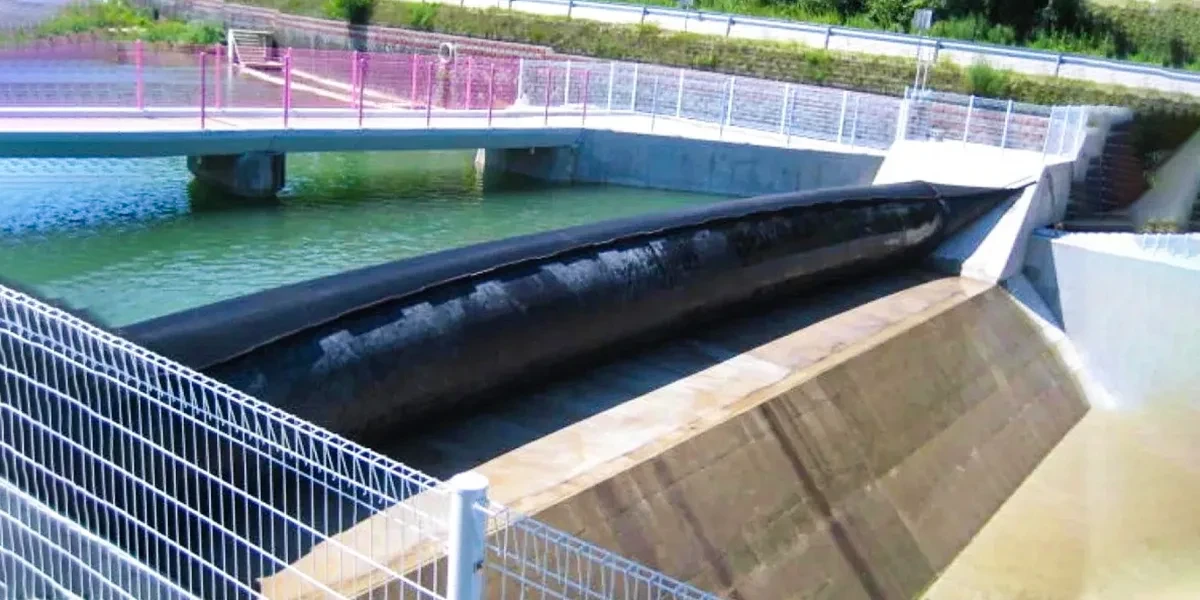
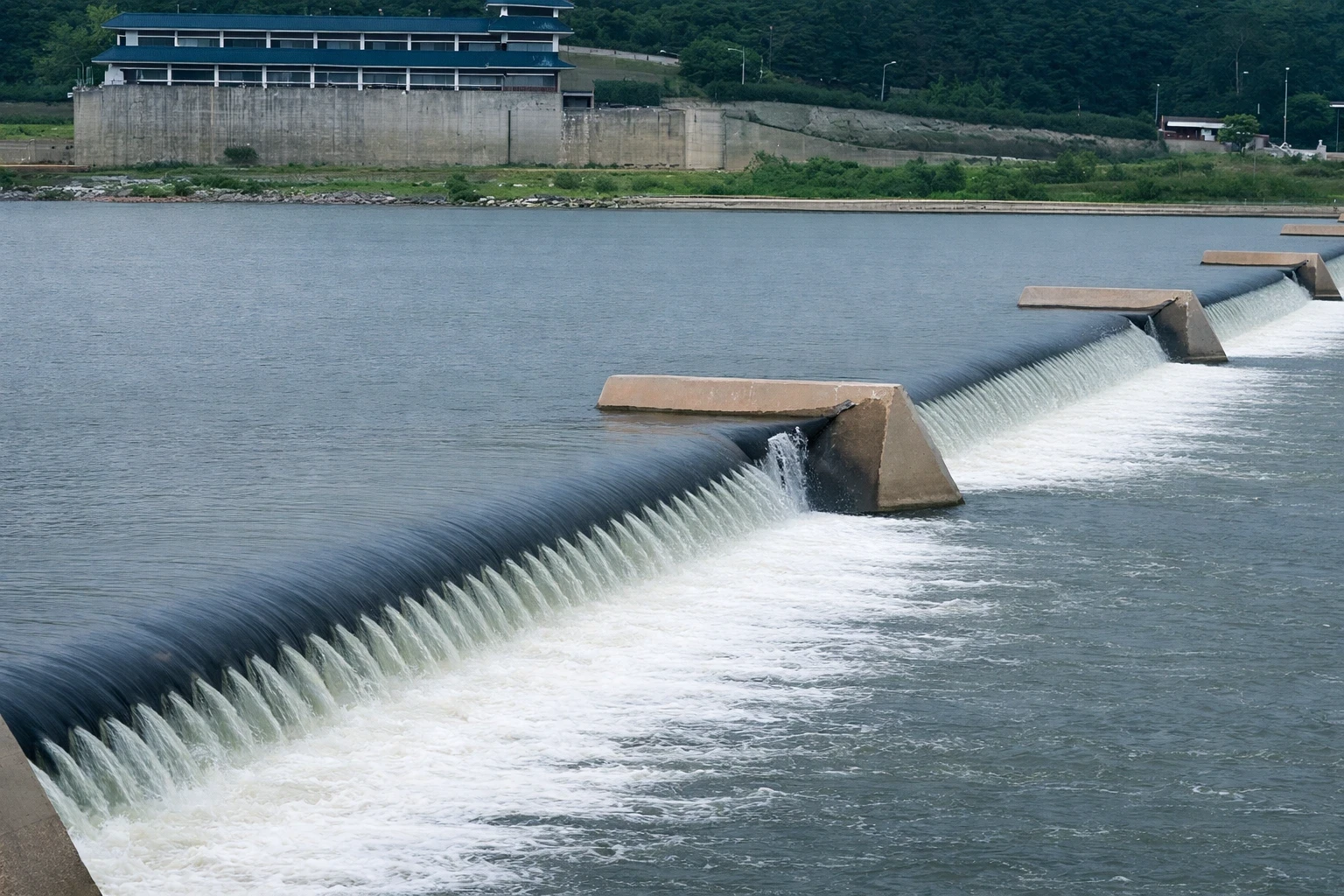
A rubber dam is a flexible, long tube made of strong fabric and rubber. It is fixed to a concrete base on the river floor. Think of it like a giant, tough balloon. When we want to store water, we fill the tube with air or water. This makes it stand up and act like a wall. When there is a flood, we let the air or water out. The tube then lies flat on the riverbed, letting the water and sediment pass safely. This is why many experts call it the air inflatable rubber dam. It gives us total control over the river flow with just a simple pump.
When we look at how these structures work, the differences are clear. A conventional barrage uses heavy steel gates. These gates are very heavy and need big motors to lift them. They can also get stuck if the metal rusts. On the other hand, the rubber dam components are much simpler. They do not have moving metal parts that can jam.
A conventional barrage takes a long time to open or close. If a flash flood comes, the delay can be dangerous. An air inflatable rubber dam is much faster. Most of these dams can inflate or deflate in just 30 to 45 minutes. This quick response saves lives and crops. Also, because they are light, they need very little power to operate. In many cases, you can even use solar power to run the air blowers.
People often ask if rubber is strong enough for a big river. The answer is yes. We use high-strength synthetic fibers like nylon or polyester. These are coated with a special rubber that resists the sun and heat. These dams are built to last for 25 to 30 years. Unlike concrete, the rubber dam river structure is also safe during earthquakes. Because it is flexible, it does not crack when the ground shakes.
Building a dam is a big investment. The government always looks for ways to save money while helping people. This is where the rubber dam river system really wins.
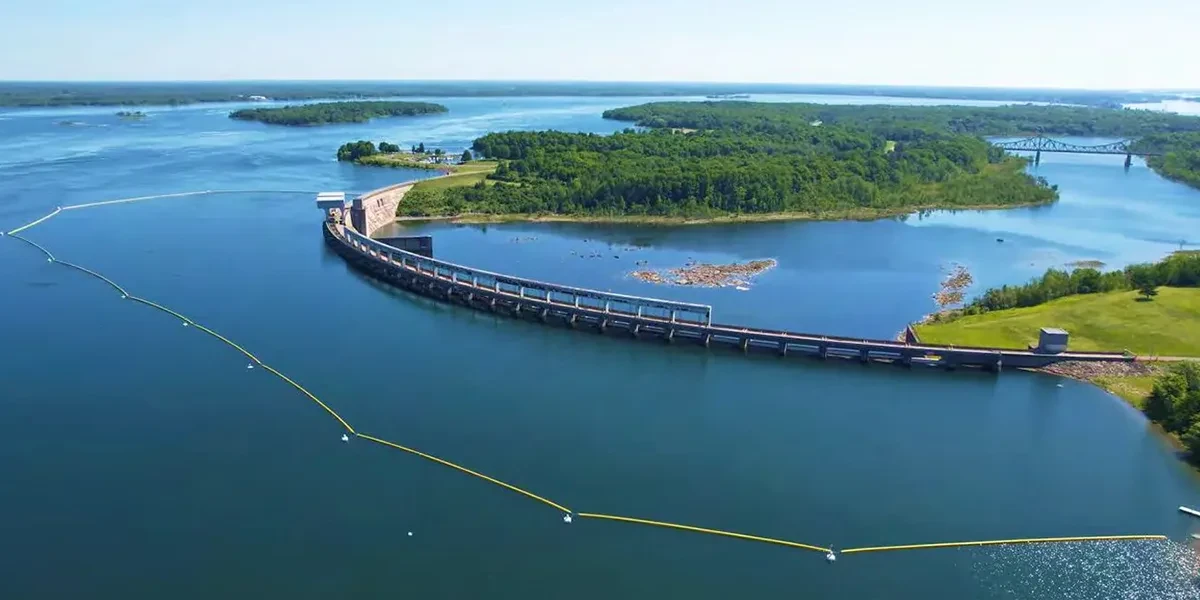
Building a conventional barrage is very expensive. It requires a lot of concrete, steel, and deep foundations. Statistics from government-approved reports show that a rubber dam can be 40% to 50% cheaper to build than a traditional gated structure. Since the structure is light, the foundation does not need to be as deep or heavy.
Time is money. A concrete barrage can take years to finish. A rubber dam project by Yooil Envirotech can often be installed in just a few months. Once the concrete base is ready, the rubber part can be fixed in just a couple of weeks. This means farmers get water for their crops much sooner.
Steel gates in a conventional barrage need constant painting to stop rust. They also need oil and grease for the motors. The rubber dam components do not rust. The only main maintenance is checking the air pumps and the rubber surface. This saves the government crores of rupees in the long run.
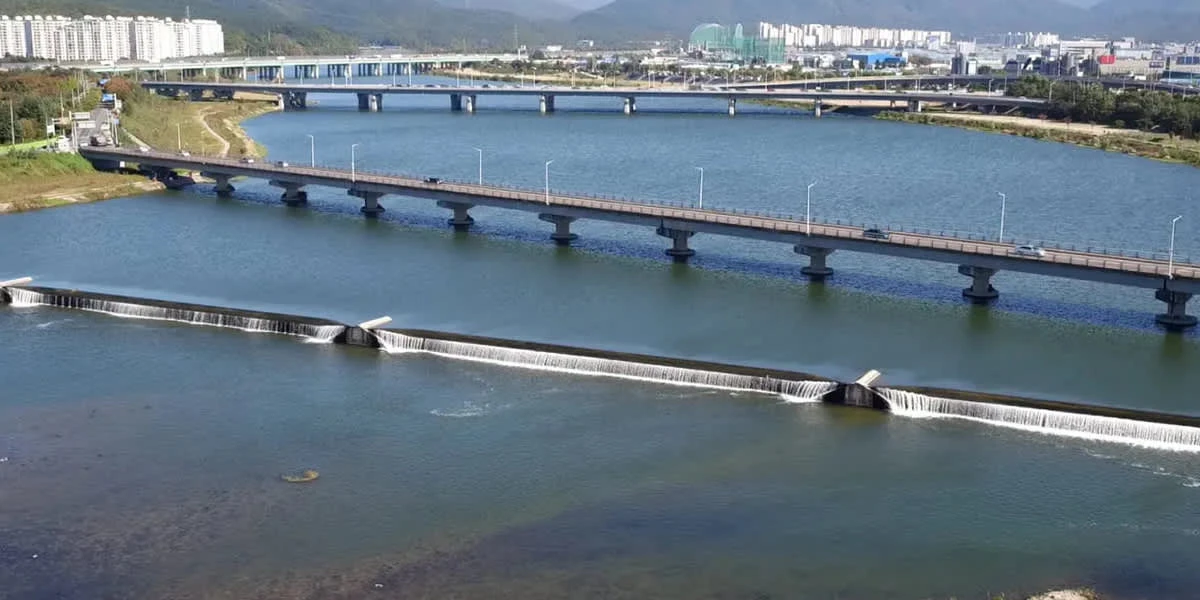
One of the biggest problems with old dams is that they stop the natural flow of the river. They trap sand and silt, which makes the river shallow. They also stop fish from moving up and down the stream.
The air inflatable rubber dam solves this. When it is deflated, the river flows just like it did before the dam was there. The sand and silt get washed away naturally. This keeps the river healthy. For farmers, this technology is a blessing. It allows them to store water exactly when they need it for the dry season. Many states in India have seen crop production go up after installing these dams. In fact, India's longest rubber dam in Gaya has changed the lives of thousands of people by ensuring water is available year-round for rituals and farming.
To understand why this works so well, we should look at the rubber dam components. Each part is designed to be simple and strong:
Choosing between a rubber dam and a conventional barrage is about choosing between the past and the future. While old barrages did their job for many years, they are expensive and hard to manage. The rubber dam river solution is smart, green, and cost-effective. At Yooil Envirotech, we are proud to lead this change in India. We help cities and farms get the water they need without breaking the bank or hurting the earth.
The dam has a smart sensor. If the water gets too high, the rubber dam river system automatically lets the air out. The dam lies flat on the bottom, letting the floodwater pass over it without any damage.
The most important rubber dam components are the rubber bladder, the air pumps, and the anchoring bolts. We check the rubber for any small cuts and make sure the pumps are working smoothly to keep the dam ready.
An air inflatable rubber dam is much faster to fill and empty. It also does not have problems with freezing in cold weather. Air is easy to pump, which makes the whole system very simple to use and maintain.
Yes, it is very easy to fix. If a sharp object makes a hole in the air inflatable rubber dam, it can be patched quickly. It is just like fixing a tire on a car or a bicycle.
Yes, the materials used in rubber dam components are made to resist chemicals and salt. This makes them perfect for rivers near factories where the water might be polluted.