
The Indian landscape is parched yet hopeful. From the high-altitude canals of Himachal to the arid stretches of Vidarbha, water isn't just a resource. It is life itself. This is why the shift from the Pradhan Mantri Krishi Sinchayee Yojana (PMKSY) to the more holistic Jal Shakti Abhiyan represents a massive pivot in how we treat every single drop. But here is the problem. We build massive dams and long canals, only to lose nearly 30 to 40% of that water to seepage and evaporation before it even reaches a farmer's field. That is where Geomembrane Lining enters the frame as the unsung hero of India’s water security in 2026.
Think of India’s traditional water infrastructure like a giant, expensive, but cracked bucket. We pour billions of rupees into it. We inaugurate projects with great fanfare. Yet, the soil beneath our canals is thirsty. It drinks the water intended for crops. Conventional concrete lining often fails because the earth shifts. Concrete cracks. It erodes. It leaks. This makes it critical to address seepage and infrastructure failures. According to the Ministry of Jal Shakti Analysis 2025-26 (PRS India), the government has allocated ₹99,503 crore for this fiscal year alone. This is serious money. But how much of it is literally sinking into the ground?
A waterproofing geomembrane acts as a continuous, flexible skin for the earth. Unlike rigid structures, it moves with the ground. It stays intact during seismic shifts or soil settlement. Why does this matter for the Jal Shakti Mission? Because the mission aims to provide "Har Ghar Jal." As of March 2026, over 15.82 crore rural households, about 81.71% of the country, have been provided with tap water connections. You cannot keep these taps running if your main supply line is hemorrhaging liquid into the subsoil.
PMKSY was focused heavily on "More Crop Per Drop." It was a brilliant start. However, the Jal Shakti Ministry consolidated various departments to look at the entire water cycle. They realized that groundwater recharge and surface water conservation are two sides of the same coin. If a canal leaks, it might recharge local groundwater, but it does so inefficiently and often leads to waterlogging and salinity in nearby fields. This ruins the land.
Using geomembrane systems ensures that water goes exactly where it is supposed to go. Data from the India Budget 2026-27 documents highlight a push for "Ground Water Management and Regulation," including the NAQUIM projects. If we don't fill our reservoirs, we aren't managing water; we are just watching it disappear. In a country where the Central Pollution Control Board (2025) identified 296 polluted river stretches, protecting the clean water we do have is a moral imperative.
So, where do we at Yooil Envirotech fit into this massive national puzzle? We don't just sell rolls of material. We provide the technical backbone for India’s hydrological future. The Indian terrain is notoriously difficult. We have black cotton soil that swells, sandy deserts that shift, and rocky plateaus that puncture inferior materials.
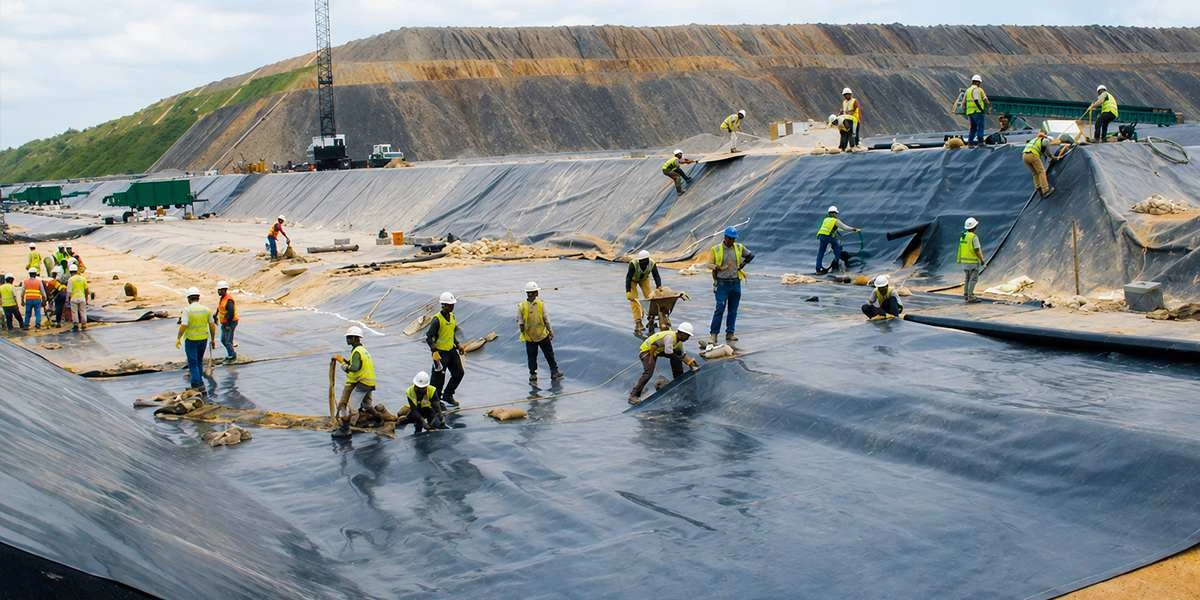
We stepped into the scene because we saw a gap between government intent and on-ground execution. Most contractors were using standard polymers that degraded under India’s harsh UV radiation within three years. We changed the game by championing Bituminous Geomembrane (BGM) technology and high-spec geomembrane safeguarding protocols. Our BGM solutions are designed to withstand the brutal Indian sun and the mechanical stresses of large-scale canal works.
Is it more expensive upfront? Maybe a little. But when you factor in the lifecycle of a 25-year project, the "cheap" options become incredibly costly. We focus on the "Total Cost of Ownership." By providing superior geomembrane installation services using BGM that resists punctures better than almost anything else, we ensure that the Jal Shakti targets are met not just on paper, but in the actual flow of water to the tail-end farmers who usually get nothing but a dry ditch.
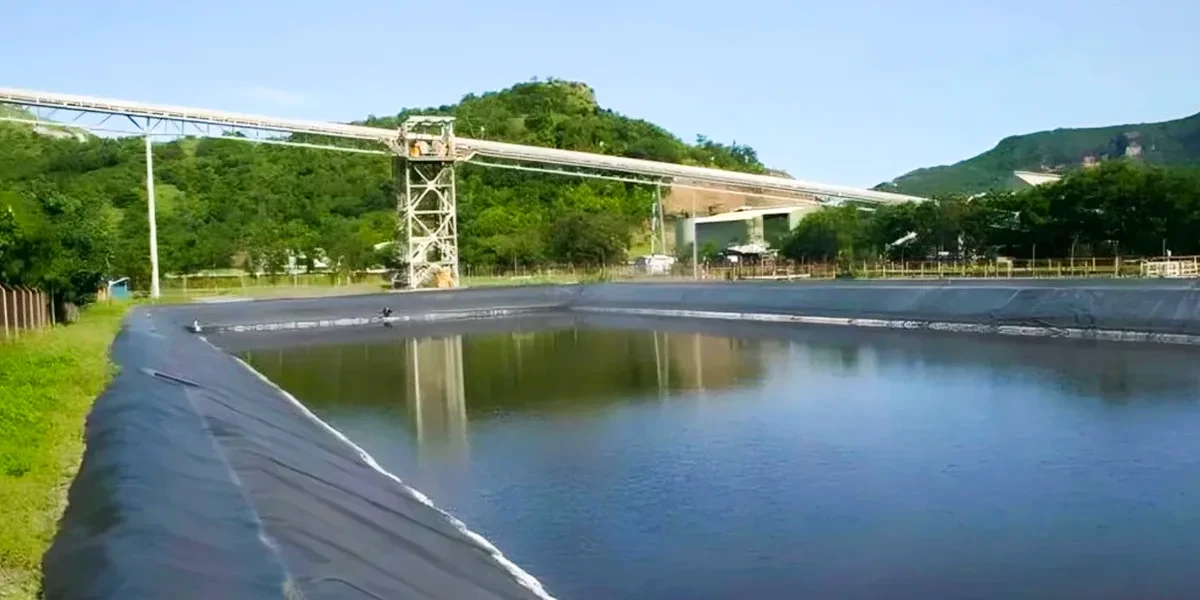
How does a geomembrane barrier actually work in a PMKSY context? Imagine a massive reservoir built to hold monsoon runoff. Without a liner, the water pressure forces liquid through the pores of the soil. This is called "Darcy’s Law" in action. By installing a Yooil-certified BGM barrier, we essentially create an impermeable, self-healing seal.
Our team often works in remote areas where logistics are a nightmare. We’ve seen projects where the sheer lack of technical expertise led to massive failures. That is why we don't just ship materials. We provide onsite engineering support. We check every weld. We test every seam. We know that a single pinhole can compromise an entire reservoir. Does that sound obsessive? It is. It has to be.
Let’s look at the data. The PIB Year End Review 2025-26 for Agriculture highlights that the budget for farmers' welfare increased to ₹1,27,290.16 crore. A huge chunk of this is tied to irrigation. Even modest reductions in seepage losses across secondary irrigation structures could conserve water volumes comparable to major new storage interventions. We are essentially "mining" water from our own inefficiencies.
Yooil Envirotech has been instrumental in several state-level interventions. We have seen firsthand how a lined pond allows a farmer to grow a second crop in the rabi season. That is the difference between debt and dignity. We are proud to be the silent partner in the Jal Shakti Mission’s success story. We aren't just a company. We are part of the nation-building machinery.
The market is flooded with low-grade liners. They look the same. They feel the same. But under the microscope, they lack the antioxidant packages required to survive the Indian climate. The Global Geomembrane Market report 2026 predicts the industry will grow to USD 4.5 billion by 2035. This growth is driven by the need for quality. If a liner fails five years into a thirty-year project, the cost of repair is often higher than the original construction.
At Yooil, we advocate for stringent standards. We believe that geomembrane lining should be the default, not the alternative. Why would you build a multi-crore canal and then let the water soak into the ground? It makes no sense. We are pushing for a mindset shift where water is treated as the precious commodity it is.
The Jal Shakti Mission is a marathon, not a sprint. As we move through 2026, the pressure on our water resources will only grow. Climate change is making rainfall more erratic. We will have shorter, more intense bursts of rain. This means our storage capacity must be flawless. We cannot afford to lose a single liter.
Yooil Envirotech is ready. We have the technology, the people, and the passion. We understand the Indian soil because we have worked on it for years. Whether it is lining a village pond under a local scheme or a massive canal under PMKSY, we bring the same level of precision. We aren't just changing the scene. We are securing the future.
What happens if we don't act? The alternative is a dry future. But with the right technology and the right partners, India can become a water-secure nation. We are doing our bit. One hectare at a time. One geomembrane lining at a time. Because at the end of the day, every drop saved is a life improved.