

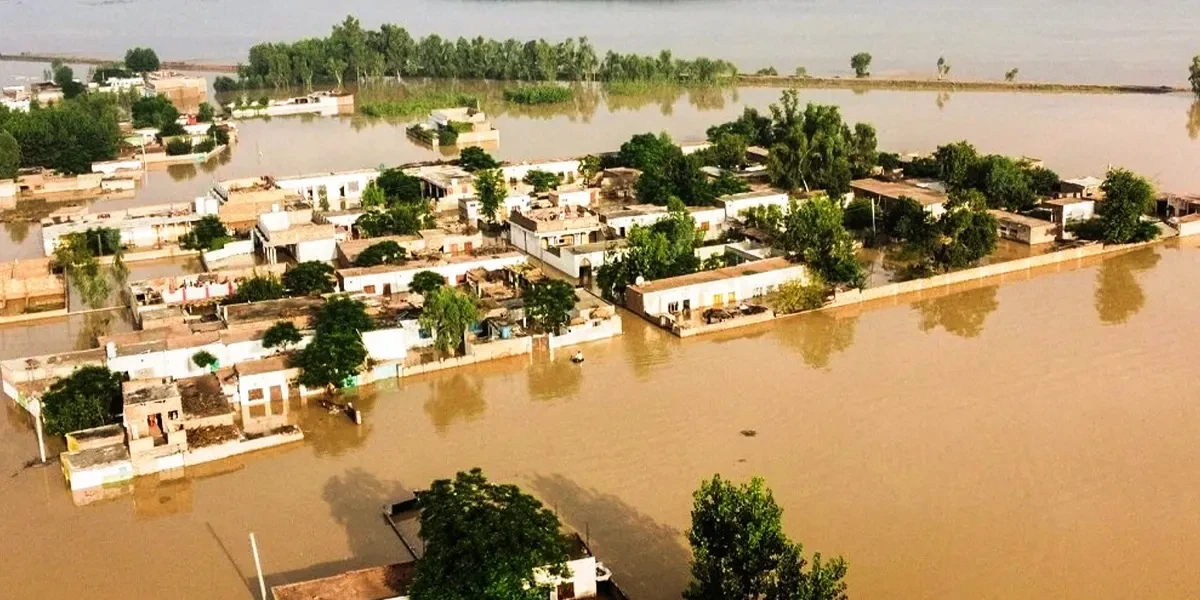
India is flooding differently now.
Not just harder. Smarter. Stranger.
One week, a city dries under a brutal heatwave. Next, roads disappear beneath chest-high water. We’ve seen it in Mumbai. Chennai. Bengaluru. Assam. Himachal. Delhi too. A few hours of rainfall, and entire neighborhoods collapse into chaos. Cars float away. Basements drown. Infrastructure cracks under pressure.
And here’s the uncomfortable truth nobody likes saying out loud.
Traditional flood management systems are no longer enough.
Concrete drains alone cannot protect a rapidly urbanizing country where rainfall patterns have become wildly unpredictable. India needs intelligent, adaptable, and scalable flood infrastructure. Fast.
That shift has already begun. Organizations such as Yooil Envirotech are introducing cutting-edge smart water management solutions to India, a fusion of global engineering know-how with locally adapted smart solutions for modern flood resilience in India. The company, with over three decades of engineering experience and more than 400 projects around the world, places a strong emphasis on sustainable water management, river systems, and flood mitigation technologies.
So what exactly can solve India’s worsening flood crisis?
Let’s break down four technologies that are already changing the game.
Sandbags look dramatic on television. Real life? Not so impressive.
They take hours to stack. They leak. They collapse under pressure. After one flood event, most become unusable waste. Cities spend enormous manpower preparing temporary flood defenses that often fail when water levels rise aggressively.
This is where modern flood protection barriers completely change the equation.
Portable and reusable systems now allow authorities, factories, housing complexes, airports, and commercial facilities to deploy emergency flood defense within minutes instead of days. That matters during flash flooding, where response time decides whether damage stays manageable or becomes catastrophic.
Yooil Envirotech’s reusable flood barrier systems are designed specifically for rapid deployment during heavy rainfall events. Unlike conventional sandbags, these barriers rely on water flow itself for stability, eliminating the need for complex support systems. According to the company, a single barrier setup can replace nearly 1,000 sandbags. (Yooil)
That’s not a small upgrade. That’s a complete operational shift.
The barriers are lightweight. Portable. Fast to move. Easy to install. More importantly, they work across multiple applications including office entrances, parking areas, industrial facilities, residential communities, and emergency containment zones. (Yooil)
And honestly, this matters more than people realize.
India’s urban flooding problem isn’t only about rivers overflowing. Sometimes it’s a single underpass. A parking basement. A hospital entrance. One vulnerable opening can shut down an entire facility.
That’s why modern door flood barrier systems are becoming increasingly important in urban infrastructure planning. Instead of waiting for permanent civil modifications, organizations can quickly secure critical access points before floodwater enters buildings.
Simple idea. Massive impact.
Here’s the real nightmare during flooding.
Water never attacks one spot.
It spreads. Creeps. Finds weak links. Moves sideways through roads, pathways, drainage gaps, and open perimeters. That’s why fragmented flood defenses often fail even when individual sections look strong.
A continuous flood barrier system solves this problem differently.
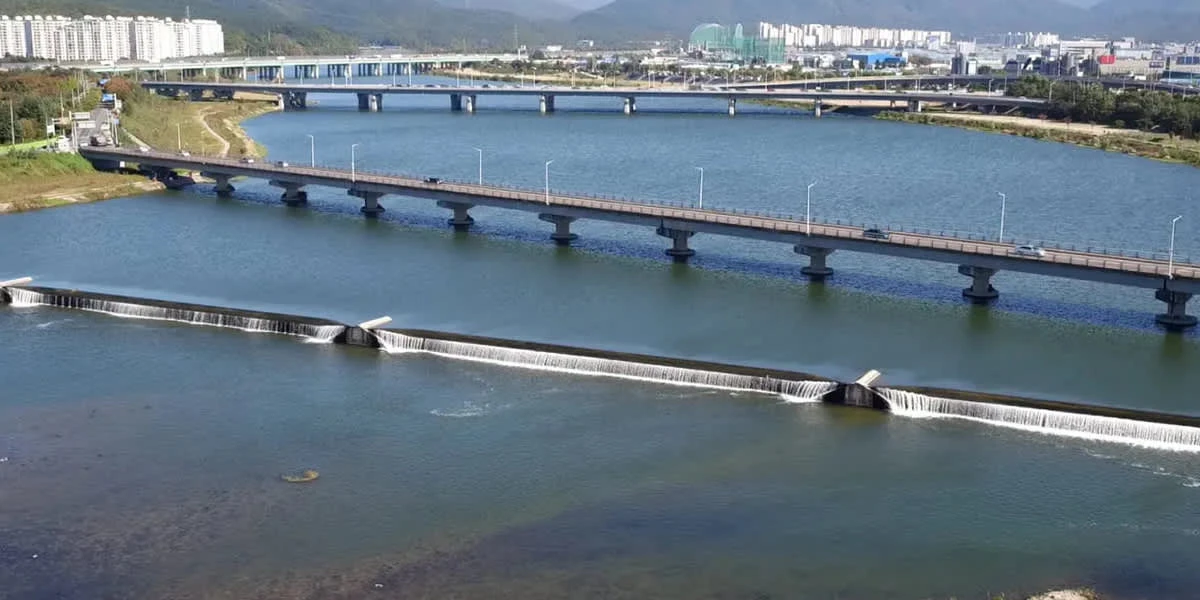
Instead of isolated protection points, these interconnected barriers create uninterrupted defensive lines capable of redirecting floodwater away from critical infrastructure zones. Airports, metro corridors, industrial parks, power stations, and coastal developments increasingly depend on this approach because floodwater behaves unpredictably under urban pressure.
India desperately needs this level of planning.
Urbanization has replaced natural drainage with concrete. Lakes vanished. Wetlands disappeared. Rainwater now races across hard surfaces with nowhere to go. The result is brutal runoff accumulation within minutes.
Modern continuous barrier systems help absorb that pressure by controlling movement paths rather than simply resisting water force at isolated locations.
Advanced flood engineering firms are well aware of this change. Yooil Envirotech focuses on comprehensive water management solutions, such as flood barriers that can be reused, hybrid steel barriers, air-filled rubber dams, and smart canal solutions.
That broader systems approach matters.
Flood defense is no longer just construction. It’s a hydraulic strategy.
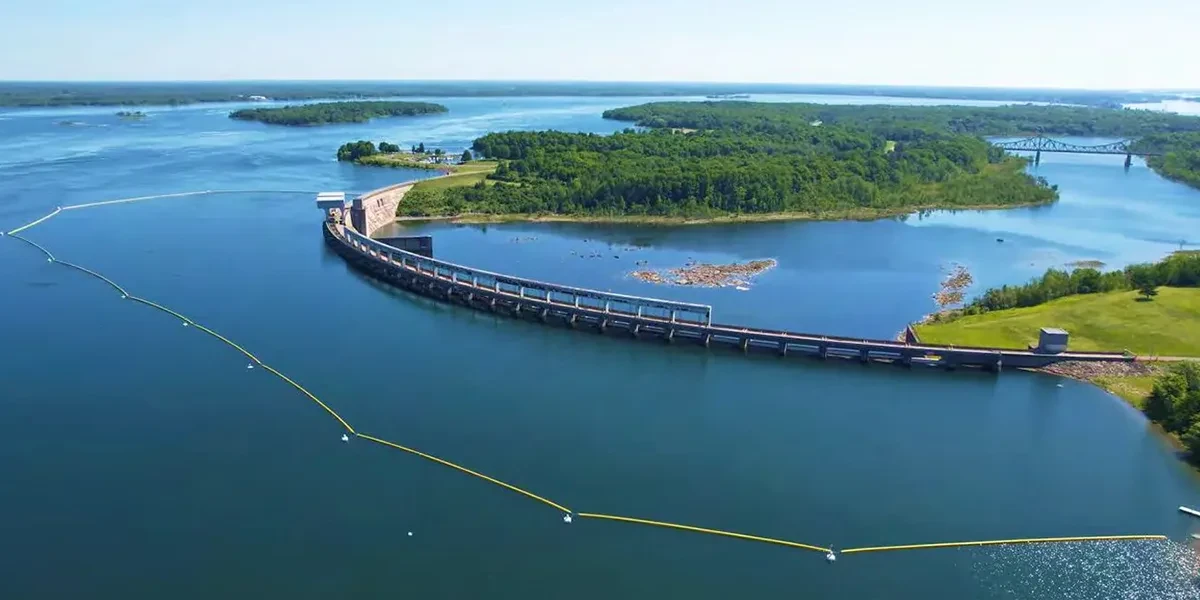
Traditional dams are expensive. Slow to build. Difficult to modify. Even worse, many struggle during sudden high-volume flood events because their operational flexibility is limited. Getting greater flexibility while fixing these limitations is one of the key reasons air-filled rubber dams are gaining attention.
Rubber dams operate differently.
And frankly, they’re one of the smartest flood technologies India has adopted in years.
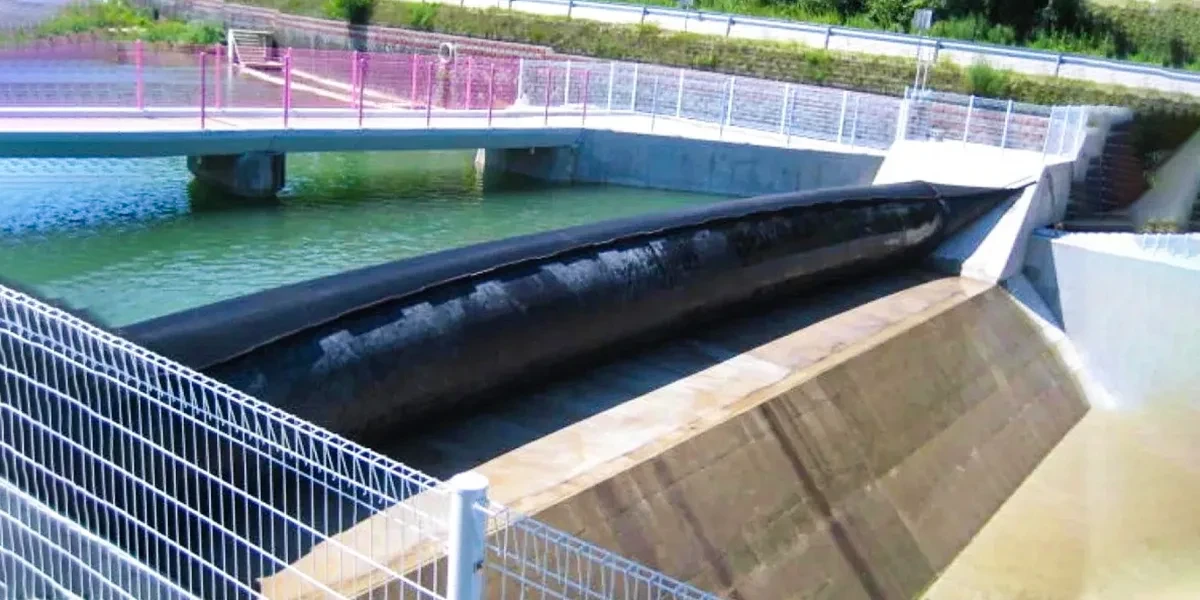
An advanced flood control dam built using inflatable rubber technology can regulate water flow dynamically. During normal conditions, the dam stores water for irrigation, groundwater recharge, and river stabilization. During heavy floods, the structure can deflate rapidly, allowing excess water discharge with far greater flexibility than rigid gates.
That adaptability changes everything.
Yooil Envirotech’s air-filled rubber dam systems are already being implemented across Indian projects. The company commissioned India’s first air-filled rubber dam in Uttar Pradesh and later expanded projects into Maharashtra as well.
These systems offer several advantages:
And there’s another layer people often miss.
Climate volatility means water management can’t focus only on floods. India simultaneously faces drought risk, groundwater depletion, and irrigation stress. Rubber dams help address both extremes by balancing storage and controlled release.
That dual functionality makes modern dam flood control systems incredibly valuable for long-term resilience planning.
One technology. Multiple national problems addressed together.
That’s efficient engineering.
Technology alone isn’t enough anymore.
Timing matters just as much.
Many flood disasters escalate because authorities react too late. Water level data arrives slowly. Manual gate operations create delays. Coordination between agencies breaks down under pressure.
Smart infrastructure changes this dynamic entirely.
Today's flood systems become more and more integrated with sensors, automated controls, remote monitoring, AI-based forecasting, and hydraulic response modeling. Operators can monitor for pressure build-up, increasing flow velocity, drainage overload, and structural stress, rather than waiting for the water to reach them, before disasters escalate.
This is where experienced flood barrier companies separate themselves from basic suppliers.
The future belongs to organizations capable of combining physical infrastructure with intelligent operational systems.
At Yooil Envirotech, we believe in being a player in this high-tech engineering landscape, and this is our ambition: to provide end-to-end solutions for water management, from design, manufacture, installation, operation, to maintenance.
That integrated approach matters because flood resilience is not a one-time installation.
It’s continuous management.
India’s next-generation flood infrastructure will depend heavily on:
Without those systems, even strong infrastructure becomes reactive instead of preventive.
And prevention is the entire point.
Every monsoon now feels like a stress test.
For cities. For engineers. For governments. For ordinary families.
The old flood management model relied heavily on damage control after disaster struck. That approach is collapsing under climate pressure and rapid urban expansion. India now needs infrastructure that adapts quickly, deploys faster, and performs intelligently under unpredictable conditions.
That means embracing technologies that were once considered futuristic.
Reusable flood barriers. Smart continuous defense systems. Advanced rubber dams. Automated hydraulic monitoring.
Not tomorrow. Right now.
Yooil Envirotech is already driving that transformation with sustainable engineering solutions in the field of smarter water management, flood mitigation, and resilient infrastructure development across India.
Because honestly?
Floods are no longer rare emergencies.
They’re infrastructure exams. And India has to start building for the future instead of repairing the past.