

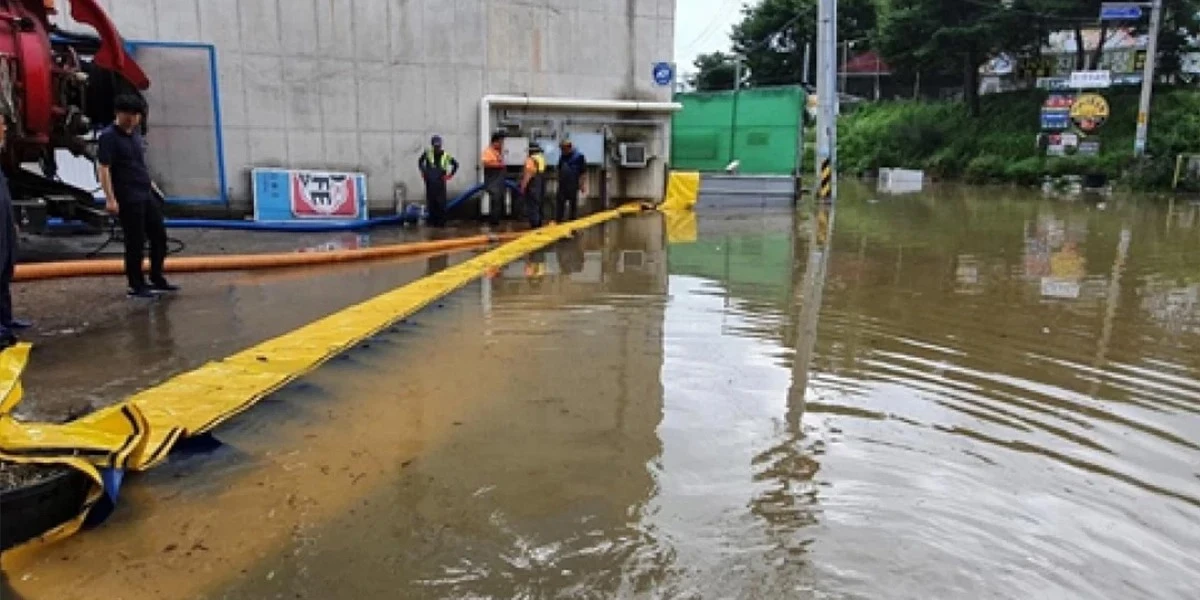
The power of water is immense. We need it for life. But every year in India, that power turns destructive. The monsoon brings heavy rains. Floods follow quickly. Cities are submerged. Crops are ruined. People lose their homes and, tragically, their lives.
This is a recurring crisis. It needs smart, fast solutions. We cannot stop the rain from falling. But we can control where the water goes. That is the core idea behind modern temporary flood barriers. They are now an essential tool for India’s disaster preparedness strategy.
Why India Faces Major Flood Risks: Importance
India is a huge country. Its geography is diverse. We have long coastlines. We have massive river systems like the Ganga and the Brahmaputra. Many regions get intense monsoon rainfall. This combination makes India very vulnerable to yearly flooding.
Here is the simple truth:
The damage is not just immediate destruction. Floods stop transport. They ruin key places like power stations and hospitals. They hurt the economy. Every major flood is a huge step back for development.
When you hear "flood water barrier," you might think of a permanent concrete wall. Those permanent walls, like levees, are needed. But they cost too much. They take years to build. They cannot be placed everywhere.
Temporary flood barriers are different. They are light. They are built in small parts, or modules. They are made to be moved quickly. They can be put up and taken down easily as needed.
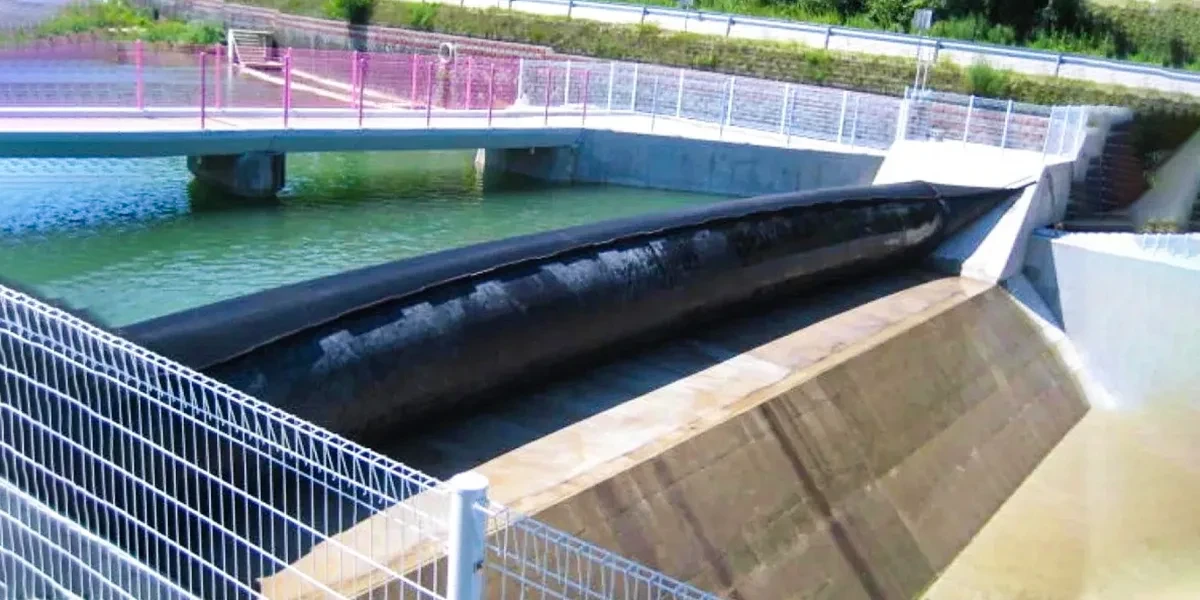
Imagine a flood warning is issued. You do not have time to call construction crews. You need protection right now. These systems can be various things. They could be large, water-filled tubes. They could be interlocking metal or plastic panels.
The biggest reasons to use them are speed and flexibility:
The main goal of disaster planning is simple. It is to lose less and recover faster. Temporary flood barriers give us a flexible defense. They work with and add to permanent structures.
In any emergency, some places must stay open. These are called essential services.
Think of a low area in a city that floods often. Instead of letting a main street become a river, city workers can use flood barriers to prevent flooding. These create a temporary, safe channel.
Many villages near rivers are the first to suffer. Getting and filling thousands of sandbags in a remote village is slow work. It takes many people. Modern flood barriers are much faster. They are easily loaded onto trucks. They can be used quickly to protect a village or strengthen a riverbank.
For a long time, the only flood barrier was the sandbag. Sandbags still have a use. But they are slow. They need thousands of people to fill and move them. Once used, the wet, dirty sand creates a large waste problem.
At Yooil Envirotech, we focus on high-quality, reusable flood water barrier systems. These give more protection with fewer people needed.
India is spending money to reduce the risk of disasters. All groups must act together. Local governments, community leaders, and businesses must join in. We must stop waiting until the flood starts to prepare.
Using modern, temporary flood barriers is a necessary step. It means we are ready to defend our communities fast.
Let us work together to make India ready. Let us ensure that the next time the heavy rains come, we have the right tools. We will stand strong against the tide.
Yooil Envirotech can help your city or business plan. We offer tailored flood water barrier solutions.