

Keeping water safe and keeping waste in its place sounds simple. Yet in real-world projects, this is where most problems begin. Water seeps through soil. Waste leaks into the ground. Chemicals spread without warning. Once this happens, the damage is tough and costly to reverse.
This is where a geo membrane steps in. It creates a clean, strong barrier between the environment and the material you want to contain. At Yooil Envirotech, we work with lining solutions every day. We see how a simple sheet, when done right, protects water bodies, prevents land pollution, and adds years of safety to a site.
This blog walks you through what a geomembrane is, why bituminous geomembrane liner is trusted across projects, and why lining is no longer optional.
A geo membrane is a special sheet made from synthetic material. Its job is to block liquids from passing through the ground. Think of it like a waterproof shield placed under or around an area where water or waste is stored.
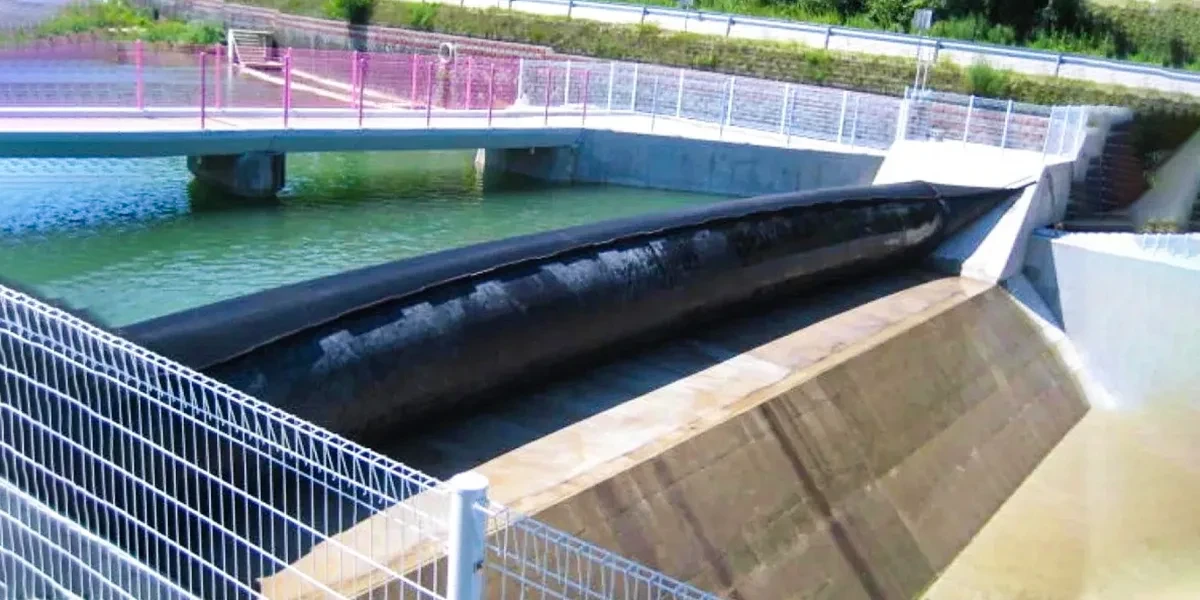
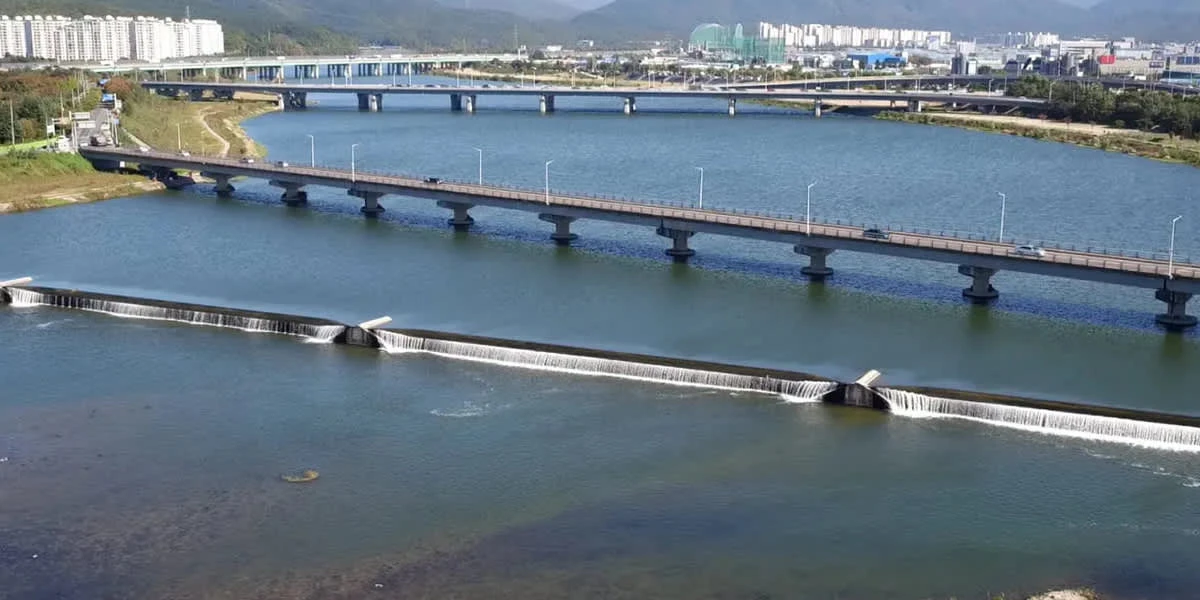
It is used in reservoirs, canals, ponds, landfills, treatment plants, stormwater systems, mines, and many other applications. Even small farm ponds now use lining membranes because they prevent seepage and save water.
While there are many kinds of geomembranes, bituminous geo membrane stands out. It is made by coating a strong fabric with bitumen. Bitumen gives the sheet extra grip, weight, and flexibility. This makes it suitable for slopes, rocky bases, uneven surfaces, and areas with temperature changes.
In older days, people used clay, compacted soil, bricks, or concrete to stop seepage. These materials work well at first but weaken fast. They crack with heat, shift due to soil movement, and wash away during rains. Once cracks form, leaks start. Water disappears. Waste finds a way out. Chemicals spread.
A lining membrane eliminates these weak points. It blocks liquid movement and keeps everything stable. In simple words, it stops trouble before it begins.
Here are the reasons why projects today depend on geomembranes.
A geomembrane traps water, waste, or chemicals inside a fixed space. Nothing passes through it easily. This saves water in canals and ponds and protects land in landfill sites.
A bituminous geomembrane liner bends without tearing. It fits well on slopes, curves, and coarse surfaces. The bitumen layer helps it stay firmly in place.
Many industries release strong liquids that can damage soil. Bituminous geo membrane does not react to salts, oils, acids, or industrial waste. This is why it is often used for effluent ponds.
Heat, cold, sunlight, rain, soil pressure, sharp stones, or heavy loads do not break it down easily. The life of a good liner is long, which saves money over time.
When you prevent seepage from the beginning, you avoid repairs, refilling, contamination cleanup, and legal trouble. A lining membrane is a small investment that prevents major future expenses.
Keeping harmful materials contained, it protects soil, groundwater, animals, farms, and local communities.
A geomembrane is one of the most widely used engineering solutions today. Below are some common applications.
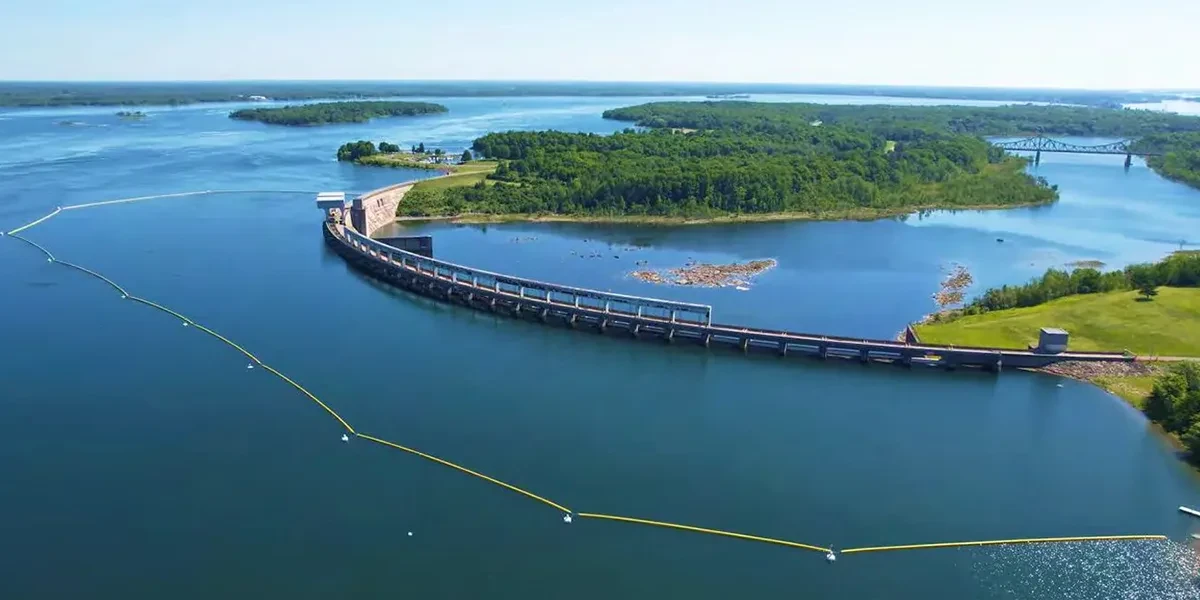
These structures store huge amounts of water. Even small seepage can cause big losses. A lining membrane preserves water and keeps the structure stable.
Unlined canals lose a lot of water due to seepage. A geo membrane stops that loss and improves water delivery for farming.
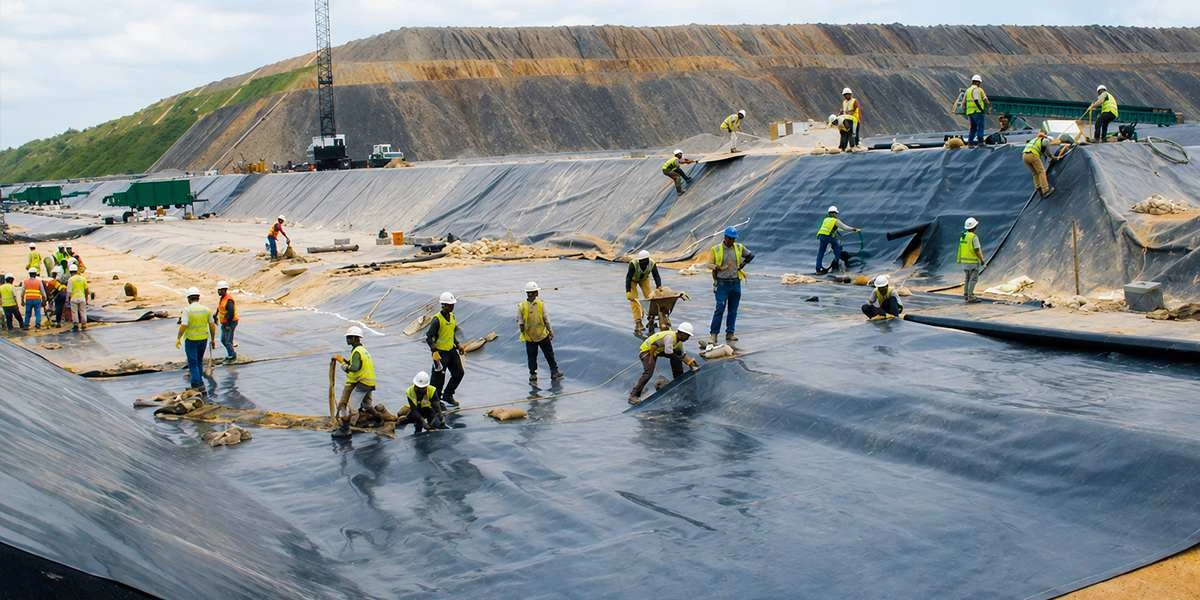
One of the most important uses. Waste creates leachate, a toxic liquid. Without a liner, this liquid moves through soil and reaches groundwater. A bituminous geomembrane liner stops this and keeps waste contained.
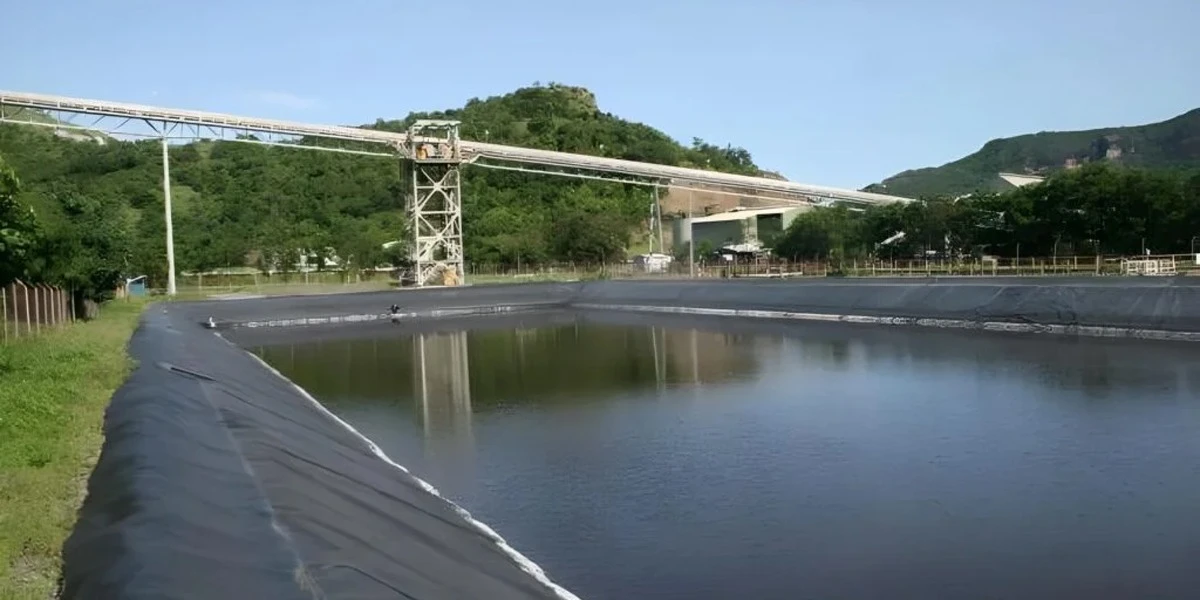
Used to hold wastewater before and during treatment. The liner keeps dirty water inside the system.
These ponds collect rainwater during storms. A liner stops that water from seeping into weak soil and creating erosion.
Fish farms need clean and controlled water. A lining membrane gives a stable surface, reduces diseases, and prevents water loss.
Industries need safe storage for chemicals, oils, and waste. A lining membrane provides the first layer of protection.
India has a mix of hot summers, cold winters, heavy rains, and varied soil types. Many projects need a liner that can handle all these challenges. Bituminous geo membrane stands out because of the following reasons.
At Yooil Envirotech, each project is planned with care. Before choosing the right liner, we study the soil, the liquid to be stored, the load, and the climate. With the right installation steps, seams, and quality checks, the liner performs for years without leaks.
Some sites still try to save money by avoiding a geomembrane. This often leads to bigger losses later.
Here are the risks:
Skipping a lining membrane looks cheap at first, but becomes expensive in the long run.
A geo membrane is not just a sheet. It is a safety wall for water, land, and the environment. It gives peace of mind to project owners and protects communities.
Yooil Envirotech continues to work on lining systems that match today’s needs. With strong materials like bituminous geo membrane and careful installation, we help build structures that stay safe, reliable, and leak free for decades.