

Flooding in India is no longer a rare event that happens once in a blue moon. In 2025, India faced extreme weather. These storms took 4,419 lives and ruined 17.4 million hectares of crops. As we go through 2026, the cost of these disasters is higher than ever. Most of our cities do not have drains big enough for heavy rain. This is why the prevention of flooding is now a top goal for every home and business owner. At Yooil Envirotech, we know that old ways like sandbags do not work well anymore. You need a modern flood barrier system that is fast and strong. This guide will help you understand the different flood barriers available today so you can pick the best one for your needs.
For a long time, people used sandbags to stop water. But sandbags have many problems. They are very heavy and hard to move. You need a lot of people to fill them and stack them. Also, sandbags leak. Water seeps through the gaps and ruins your floors. Once the flood is over, you have a pile of wet, dirty sand that is hard to throw away. A modern flood water barrier is much better. It is lighter and keeps the water out much better than sand. In 2026, smart property owners are moving away from sand and toward engineered flood barriers. These new tools save time and money. They also keep your property much drier.
A passive flood barrier system is one of the smartest tools you can buy. These stay hidden in the ground during dry days. You can walk or drive right over them. You will not even know they are there.
If you need a system that you can move around, modular flood barriers are the way to go. These are made of strong panels that you lock together.
These are like big, tough tubes. They are very popular for the prevention of flooding in emergency cases.
Sometimes you want a wall that is always there. A permanent flood water barrier is built into your building or your land.
Yooil Envirotech is a leader in this field because we make our own products. We have our own factory where we build every flood barrier system we sell. We do not just buy parts from others. We design them to work in the hot and wet weather of India. We use high-quality rubber and metal that does not rust. This in-house manufacturing means we can check every part to make sure it is perfect. If you have a special shape or size for your gate, we can build a barrier just for you.
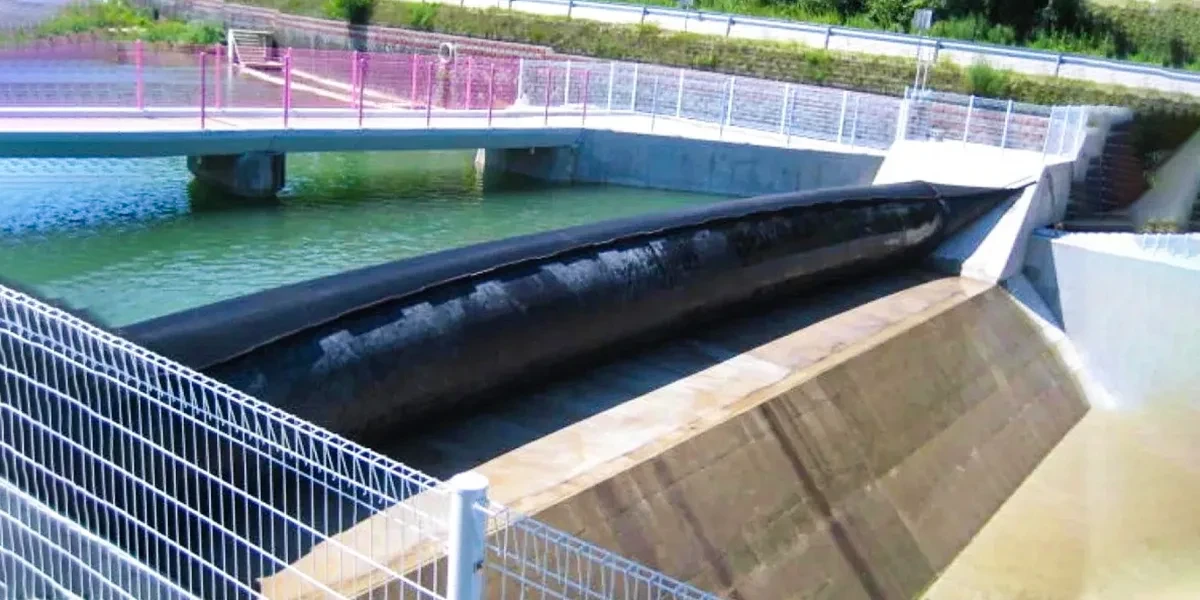
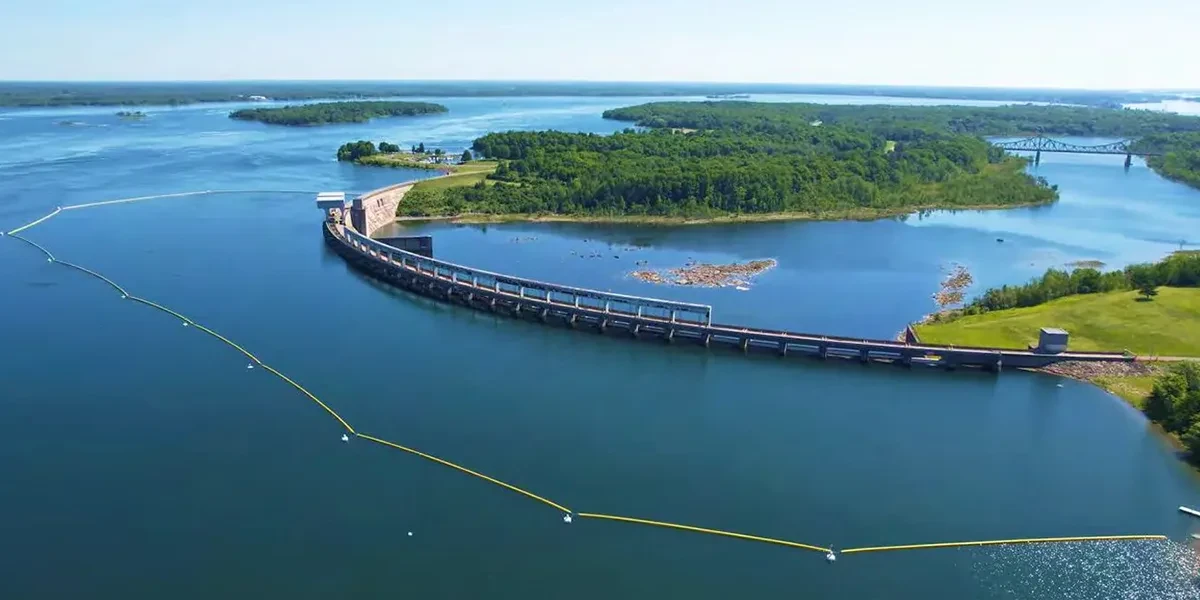
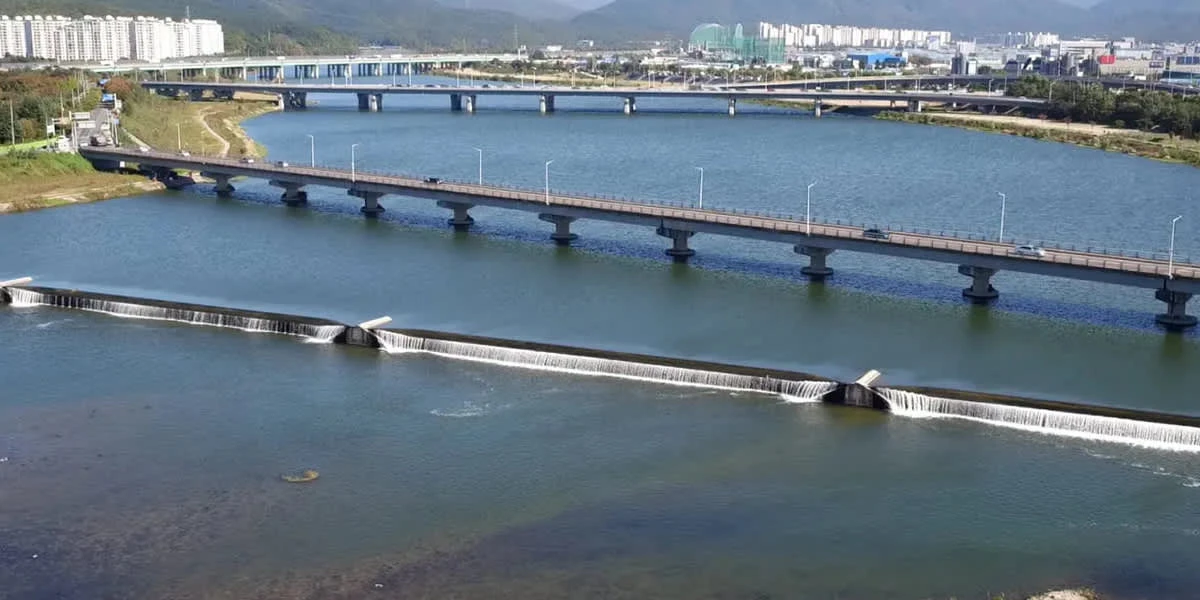
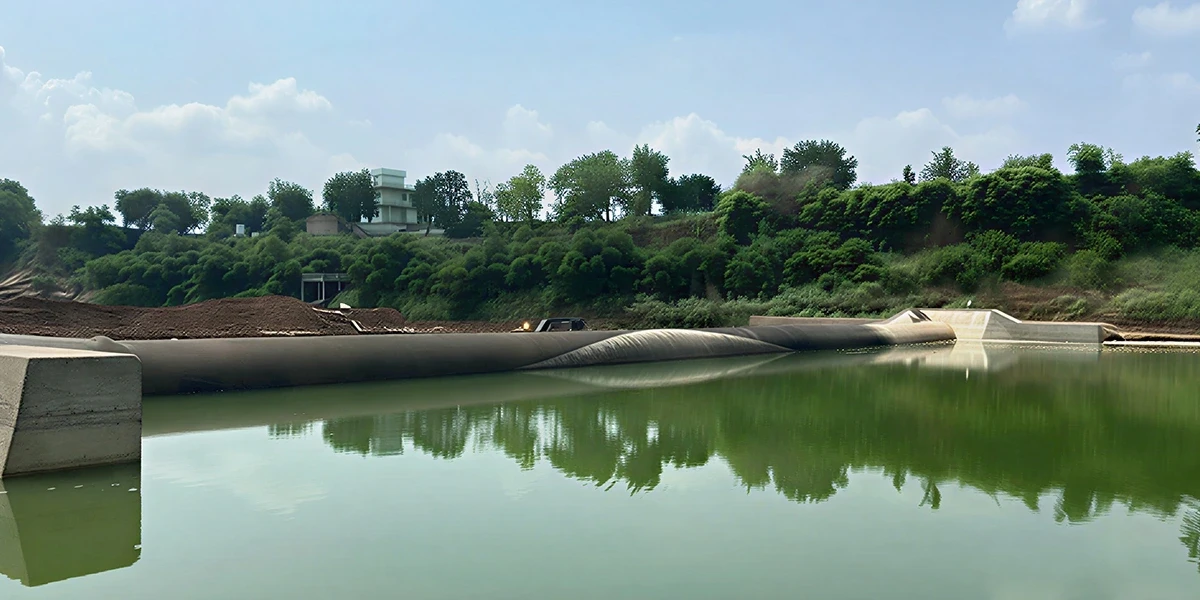
One of our biggest tools for the prevention of flooding is the Rubber Dam. This is a very large flood water barrier used for rivers and canals.
The data shows that floods are getting worse. The Ministry of Jal Shakti says that over 40 million hectares of land in India can flood at any time. In 2026, the Climate Risk Index put India as one of the most at-risk countries. The cost of a good flood barrier system is small compared to the cost of fixing a ruined house. It can cost 10 times more to fix a flooded basement than it does to buy a flood water barrier today. Investing in the prevention of flooding is the best way to protect your family and your hard work.
Experts from the World Bank and Indian weather agencies have shared clear facts. They say that by 2030, many more cities will face water issues. A report from the CEEW says that 75 percent of Indian districts are now at risk of extreme weather. This is why the market for flood barriers is growing so fast. People want to be safe before the rain starts. Our systems at Yooil Envirotech follow all the top safety rules. We use stats from the last 30 years to build tools that can handle the biggest storms.
The weather is changing, and the rain is getting stronger every year. You cannot stop the rain, but you can stop the water from entering your home. From self-rising gates to large rubber dams, there is a flood barrier system for every site. At Yooil Envirotech, we are proud to lead the way in preventing flooding across India. Our in-house manufacturing ensures that you get the best quality at the best price. Do not wait for the next big storm to hit. Look at your property today and decide which flood barriers are right for you. Staying dry is not just about luck; it is about having the right tools. We are here to help you stay safe and secure through every monsoon. Reach out to us to find the perfect flood water barrier for your property.
A modular flood barrier system is usually the best for a house. These panels are light and easy to use. They provide a tight seal to keep water out of your yard. This is a very smart way for the prevention of flooding.
A passive flood water barrier from Yooil Envirotech can last for 50 to 100 years. Since we use in-house manufacturing, we pick the best metals that do not rot. They stay safe in the ground until the water comes.
Yes, most of our portable flood barriers are made to be used by one or two people. The panels are not too heavy. You can set them up in a few minutes without needing any special tools or a big team.
Yes, a rubber dam is a great flood water barrier for large areas. It can hold back a lot of river water. If the water gets too high, it can be lowered to let the water flow away safely from the village.
Yooil has years of experience and our own factory. We have built some of the largest flood tools in India. We know the local weather and use the best materials. This ensures your flood barrier system will work when you need it most.