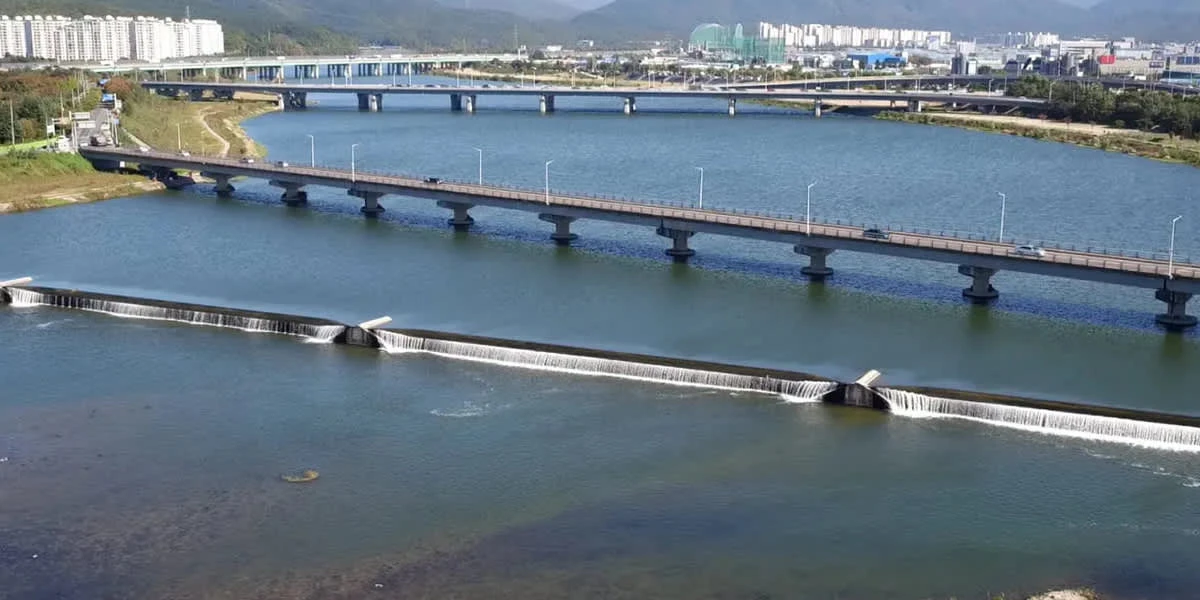


Welcome to the world of smart engineering. If you have ever wondered how we keep toxic waste from leaking into our drinking water or how big dams stay bone dry on the inside, you are looking for a Bituminous Geo Membrane.
At Yooil Envirotech, we believe that protecting the environment should not be a mystery. That is why we have put together this deep dive into this technology. It is one of the toughest tools in the shed for civil engineers and environmentalists alike.
Before we get into the heavy stuff, let us answer the big question: what is geo membrane technology in the first place?
Think of a it as a massive, high tech blanket. It is a synthetic liner used to control the movement of fluids. In simple terms, it stops liquids from going where they are not supposed to go. Whether it is keeping water in a pond or keeping chemicals out of the soil, a geo membrane is the primary line of defense.
While there are many types made of plastic, the Bituminous Geo Membrane is a special breed. It combines the flexibility of fabric with the waterproof power of bitumen.
The secret to why a BGM works so well lies in its ingredients. It is not just a sheet of asphalt. It is a carefully layered sandwich of high performance materials.
Bitumen is the dark, sticky substance often used in road building. In this product, we use modified bitumen. This means it is mixed with polymers to make it stretchy and resistant to UV rays. It acts as the sealant that makes the entire sheet waterproof.
Every strong structure needs a skeleton. For this liner, the skeleton is usually a heavy duty non woven polyester geotextile or a glass fleece. This inner core gives the membrane its strength so it does not tear when rocks or heavy machinery press against it.
The top and bottom are often coated with fine sand or a thin film. This helps the layers stick together during installation and provides extra grip for workers walking on the surface during a hot day.
The structure of this material is what sets it apart from thinner plastic liners. Most liners are thin and can be punctured by a stray rock or a dropped tool. A Bituminous Geo Membrane is thick, often between 3mm to over 6mm.
This thickness is vital for long term safety. Because it is thick, it has self healing properties. If a small stone pushes into it, the bitumen can move slightly to seal the gap. This makes it a favorite for rough terrains like mines and rocky dams.
The working principle of this system is based on two main factors: impermeability and friction.
The bitumen fills every tiny hole in the internal fabric. This creates a solid wall that water molecules simply cannot pass through. Because the rolls are welded together using heat, the entire surface becomes one single, seamless sheet across several acres.
Unlike smooth plastic liners, this material has a rough, sandy surface. This is important for working on slopes. If you are lining a steep mountain side, you need the dirt or rocks on top to stay put. The membrane grabs onto the soil, preventing landslides or slips.
Statistics show that the global liner market is growing fast. Reports suggest the market will reach over $3.5 billion by 2030. Why? Because governments are getting stricter about leaks.
In India, the Central Pollution Control Board (CPCB) has strict rules for landfill liners. They require materials that can last for decades without breaking down. A BGM can last over 100 years even when buried. That is a century of protection for our groundwater.
When we look at engineering data, this material beats out traditional plastic in several ways.
The versatility of this material is unmatched. At Yooil Envirotech, we see it used in several massive projects.
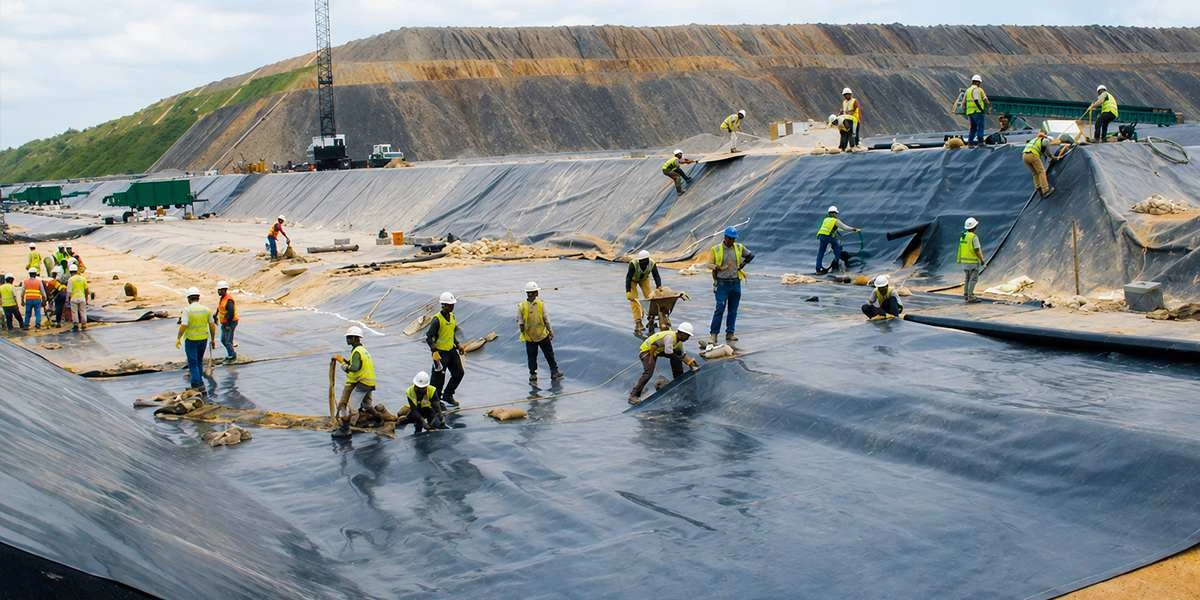
Mines use a lot of water and chemicals to get metals out of the ground. A liner ensures that toxic runoff stays inside the tailings pond and does not ruin the local ecosystem.
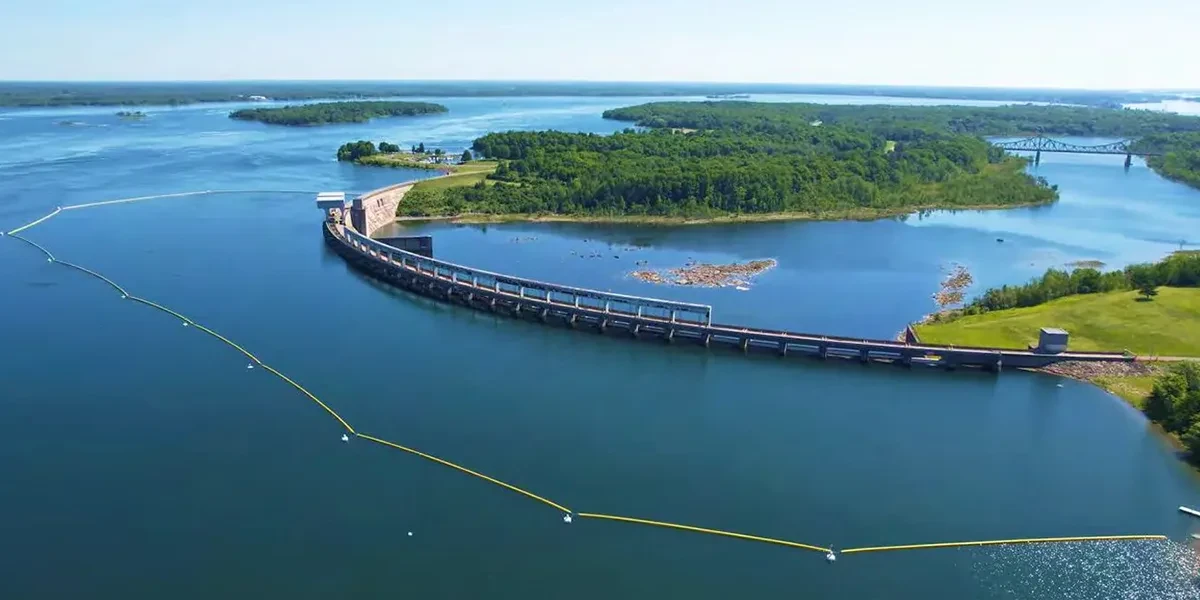
Water pressure at the bottom of a dam is massive. A standard liner might pop under that weight. This bitumen based version is tough enough to handle the pressure.
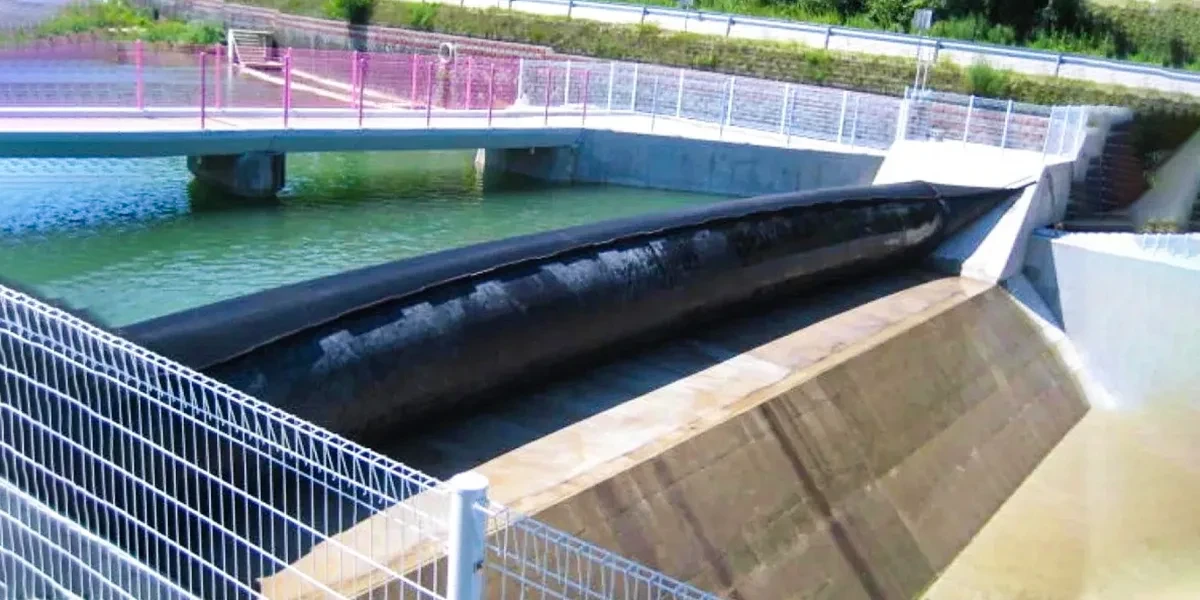
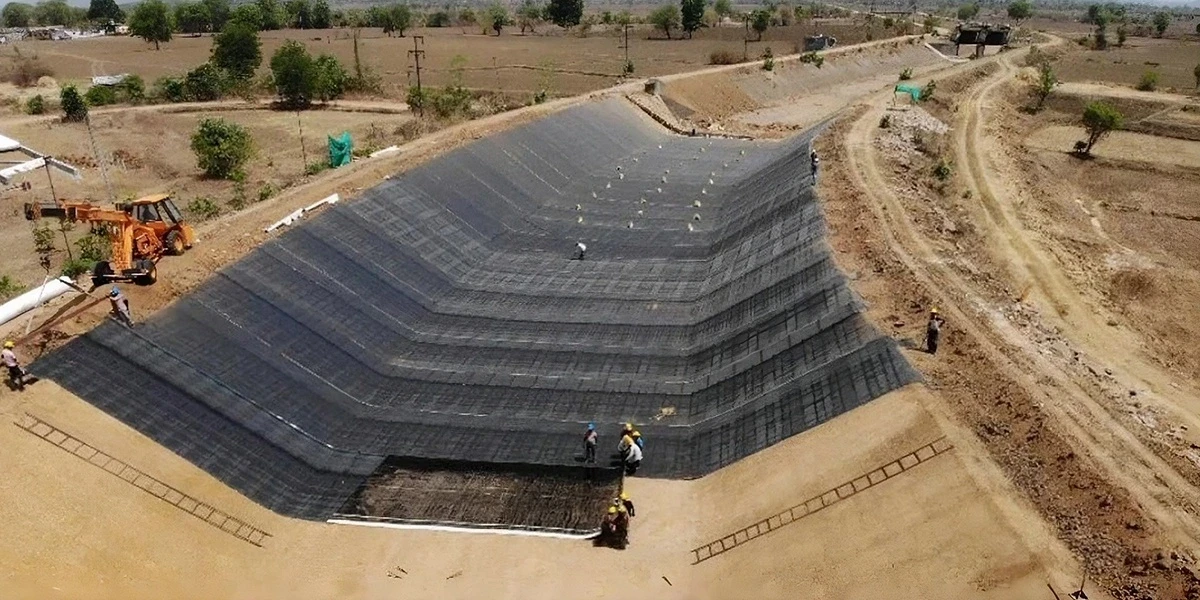
India has one of the largest canal networks in the world. Losing water to seepage is a huge waste. Lining canals with high quality materials ensures every drop reaches the farmers who need it.
One of the coolest things about this technology is how it is installed. Workers use a flame bonding technique. By heating the edges of two rolls, the bitumen melts and fuses together.
This creates a bond that is actually stronger than the membrane itself. In the world of waterproofing, the seam is usually the weakest point. With this system, the seam is the strongest point of the entire site.
Using a high quality liner is a win for the Earth. By preventing leaks, we protect our rivers and soil. Furthermore, bitumen is a natural byproduct of oil refining, and the long lifespan of the material means we do not have to replace it and create more waste every ten years.
Governments now offer green points for projects that use durable liners. High quality installations reduce the environmental debt we leave for the next generation.
One of the biggest worries for engineers is how a material handles the sun. Most plastics break down under UV light. However, the modified bitumen used here is very stable. Whether it is the freezing cold of the mountains or the baking heat of the desert, the material stays flexible and strong.
Even the best materials can face accidents. Maybe a bulldozer hits the liner by mistake. The beauty of this technology is how easy it is to fix. You do not need complex glues or chemical solvents. You simply take a small piece of the membrane, heat it up, and press it over the hole. It welds instantly.
Q1: What is the main benefit of a Bituminous Geo Membrane over HDPE?
The main benefit of a Bituminous Geo Membrane is its durability on rough ground. While other liners might puncture on sharp rocks, the thick bitumen and internal reinforcement of this product handle rough surfaces much better.
Q2: How long can a typical geo membrane last?
The lifespan of a geo membrane depends on the material. While thin plastic liners might last 20 to 30 years, a high quality version is designed to remain functional for over 100 years in certain conditions.
Q3: Is it hard to learn what is geo membrane installation?
Learning what is geo membrane installation requires some training but is straightforward. For these specific liners, workers use heat to weld seams. It is a very reliable method that ensures a leak proof seal across the entire project.
Q4: Can these materials be used in drinking water tanks?
Yes, specific types are safe for potable water. These liners are tested to ensure no chemicals leach into the water, making them a top choice for large scale city water storage and rural reservoirs.
Q5: Why should I choose Yooil Envirotech for my next project?
Choosing Yooil Envirotech ensures you get the best tech and expert advice. We focus on high quality materials that meet government standards, ensuring your project stays safe, dry, and compliant with all environmental laws for years.
Summary of Key Features
To wrap things up, let us look at why this is the smart choice:
At Yooil Envirotech, we are proud to offer solutions like Bituminous Geo Membrane, that stand the test of time. Protecting our planet is a big job, but with the right tools, it is a job we can do well.