

Water becomes most valuable just before summer. Heat rises. Rainfall drops. Farms need steady water. Many irrigation canals fail to deliver enough water because a large amount is lost on the way. This is where canal lining becomes important. Canal lining helps save water, protect land, and support farmers during the dry months.
Canal lining is not a new idea. It has been used for many years in irrigation systems across the world. Still, many canals remain unlined. These canals lose water every day through seepage and poor flow. Before summer, these losses can cause major problems. Crops suffer. Yields fall. Water stress increases.
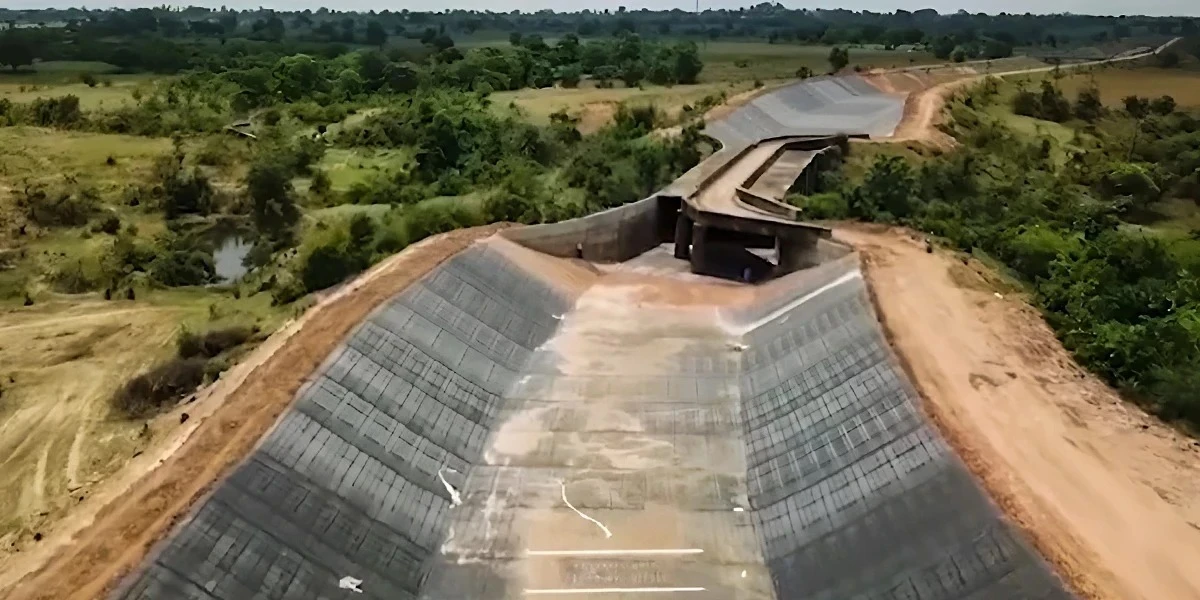
Canal lining means covering the inside surface of a canal with a layer that does not allow water to pass through easily. This layer can be concrete, plastic sheets, stone, clay, or modern lining material. The goal is simple. Keep water inside the canal until it reaches the field.
In unlined canals, water slowly moves into the soil below and around the canal. This water is lost for irrigation use. Canal lining blocks this loss. It helps water move faster and stay usable.
Before summer, water demand increases. Crops need more water due to the heat. At the same time, evaporation increases. Groundwater levels drop. Any loss from canals becomes more serious.
Studies on irrigation systems show that unlined canals can lose a very large share of water before it reaches farms. This loss often ranges from one-third to even half of the total water carried. Canal lining helps prevent this loss and improves water supply when it is needed the most.
One of the biggest benefits of canal lining is water saving. When seepage is reduced, more water reaches farms. This improves irrigation coverage without increasing water withdrawal from rivers or reservoirs.
Another benefit is better water flow. Lined canals have smoother surfaces. Water flows faster and more evenly. This reduces delays and helps farmers plan irrigation better.
Canal lining also reduces weed growth inside canals. Weeds slow water flow and increase maintenance work. With lining, weed growth is limited. This keeps canals clean and functional during peak irrigation periods.
Land near unlined canals often becomes waterlogged. This harms soil quality and crop health. Canal lining reduces excess seepage and protects nearby land from damage.
Maintenance costs are also lower. Unlined canals need frequent repairs due to erosion and collapse. Lined canals remain stable for longer periods. This reduces repair work before and during the summer.
Different canal lining types are applied depending on cost, soil type, and the needs of water flow. All types have their advantages and are selected to save water, minimize maintenance, and increase the efficiency of irrigation.
Large irrigation canals are often lined with concrete due to its high level of strength and permanence. It offers great seepage control, enabling the distribution of more water to farms. It also forms a smooth surface that enhances the flow of water and lowers maintenance requirements in the long run.
Smaller canals are usually lined with brick and stone. It is less expensive than concrete and has moderate capabilities for water seepage. These linings are subject to maintenance after many years to ensure that the bricks or stones are intact and nothing is washed away.
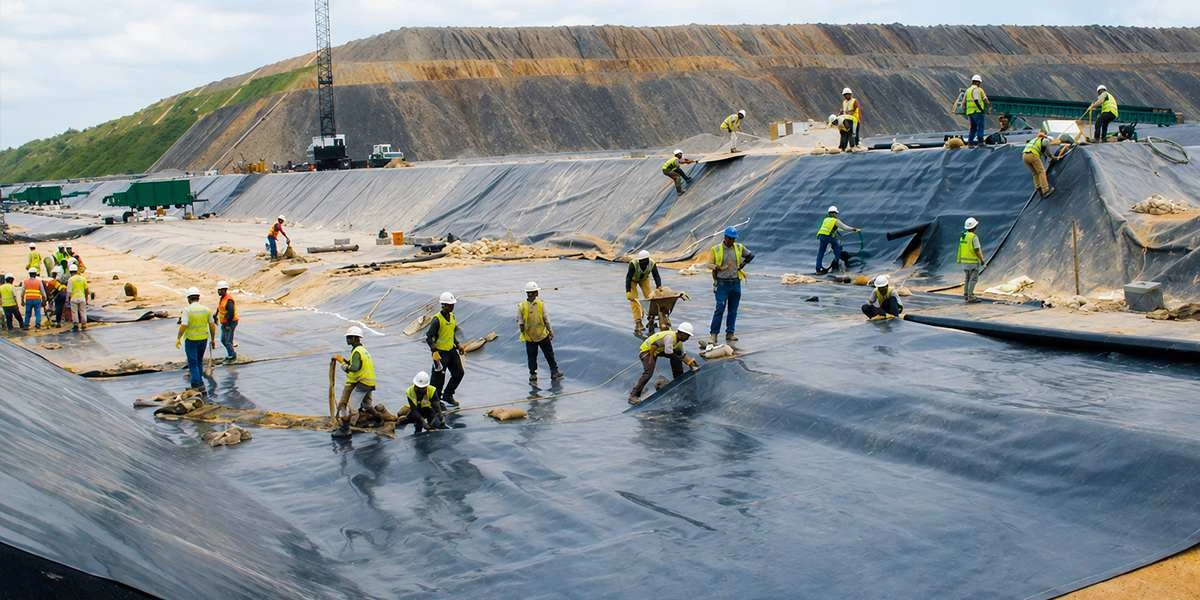
Plastic or PVC sheets are lightweight and easy to install, and are flexible. They create a watertight structure to avoid seepage. These linings are subject to soil or concrete protection. They are best suited to temporary canals or places that require speed of construction.
Bituminous/asphalt lining is the application of asphalt-based materials to cover canal surfaces. It is applicable in areas where the temperatures are stable and the water flow is moderate. The benefits of this kind of lining are that it has good seepage control, is flexible, minimizes cracks, and is easy to maintain.
Clay and compacted earth lining is a low cost canals lining. It functions by compacting the soil to minimize water run-off. It is not as efficient as concrete or geomembranes, but it can be applied in low-budget projects or in areas with insignificant water loss.
Modern materials such as geomembranes offer a very high level of seepage resistance. They are versatile, long-lasting, and adaptable to varied soil conditions. These linings are also applied extensively in water conservation works, which are long-term, efficient, and guard the canals against erosion and leakages.
Before summer, timing matters. Canal lining work should be completed early so the system is ready for peak demand. Selecting the right canal lining types depends on canal size, soil conditions, water pressure, and expected life span.
A well-planned canal lining project ensures that water reaches farms on time. It also avoids emergency repairs during the hot season.
Canal lining solutions support long-term water sustainability. By saving water at the transport stage, they reduce stress on water sources. This helps communities manage limited water more responsibly.
Efficient canal systems also reduce energy use. Less pumping is needed when water flows smoothly. This lowers costs and supports eco-friendly farming practices.
Yooil Envirotech provides practical canal lining solutions designed for real field conditions. The focus is on water saving, durability, and ease of maintenance.
Each project is approached with site understanding. Soil type, canal size, and water demand are studied carefully. Based on this, suitable types of canal lining are recommended.
With modern materials and trained teams, Yooil Envirotech helps irrigation systems perform better before summer begins. The goal is simple. Save water. Protect crops. Support farmers.
Preparing irrigation systems before summer reduces risk. Canal lining ensures water security during critical growth periods. It helps farmers depend less on rainfall and groundwater.
As water challenges grow each year, canal lining becomes a necessary investment rather than an optional one. With reliable solutions from Yooil Envirotech, it protects water resources, preserves land quality, and safeguards farmer livelihoods.