

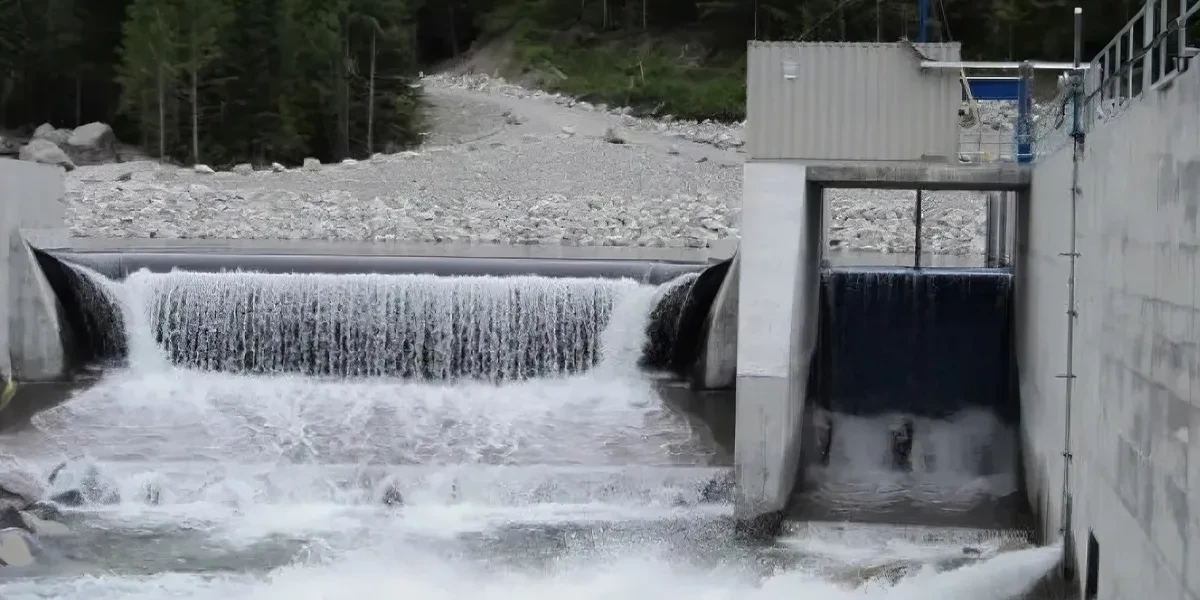
It is 2026 and the old rules of water management are officially dead. Remember when we used to think of dams as immovable walls of concrete? That era has passed because the climate no longer plays by predictable rules. We are seeing rainfall patterns that would have been unthinkable five years ago. In just the last two monsoon cycles, India has faced over 40 major "extreme weather events" that traditional weirs simply weren't built to handle. If you aren't building for flexibility, you are building for failure. It's that simple. Why do we keep acting surprised when a fixed gate jams or a reservoir silts up in record time? It's time to talk about the inflatable rubber dam, not as a niche alternative, but as the primary standard for a water-stressed subcontinent.
As of early 2026, data from the National Register of Large Dams (NRLD) suggests that nearly 30% of India's storage capacity is now occupied by sediment. Think about that for a second. We've spent trillions on infrastructure, and a third of it is just holding mud. This isn't just an engineering problem; it's an economic catastrophe. Traditional dredging is like trying to empty the ocean with a teaspoon. It's expensive, disruptive, and temporary. This is why rubber dam isolation has become the buzzword in Jal Shakti ministry corridors this year. By isolating the water control mechanism from the structural foundation, we allow the rivers to breathe. When the floods come, you drop the dam. You let the "heavy water" pass. The silt moves downstream where it belongs, enriching the delta instead of choking the reservoir. It’s an elegant way to solve long-standing sediment management challenges. It’s elegant. It’s natural. It works.
By isolating the water control mechanism from the structural foundation, we allow the river to breathe. When the floods come, you drop the dam. You let the "heavy water" pass. The silt moves downstream where it belongs, enriching the delta instead of choking the reservoir. It’s elegant. It’s natural. It works. We have to stop fighting the river’s natural flow and start working with it.
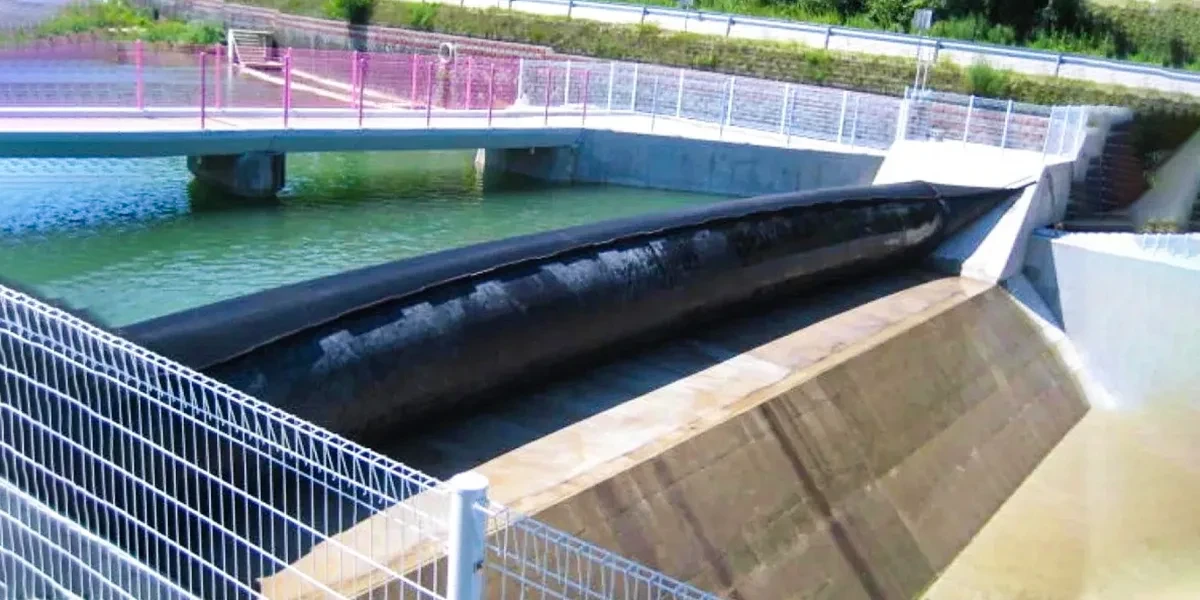
Flash floods in the Himalayan foothills have intensified by 22% in frequency since 2021. In these scenarios, minutes are the difference between a controlled release and a catastrophic breach. Mechanical gates are slow. They are prone to "gate-binding" when debris hits them. Contrast that with the modern flood control dam. No gears. No chains. Just air and high-tensile rubber. In 2026, we are seeing these systems integrated with real-time satellite telemetry. When the sensors upstream detect a surge, the dam begins its auto-deflation sequence. By the time the surge arrives, the river rubber dam is flat against the riverbed, presenting zero resistance. Can your concrete wall do that? Of course not.
We aren't just selling rubber. We are selling a 2026 vision of river health. At Yooil Envirotech, we’ve spent the last decade refining the chemistry of our membranes because we know the Indian sun is brutal and the Indian monsoons are violent. Our inflatable rubber dam technology utilizes multi-layer EPDM (Ethylene Propylene Diene Monomer) reinforced with high-tenacity nylon. It doesn't crack. It doesn't peel. It stays flexible in 45-degree heat and near-freezing mountain waters. What sets Yooil apart? It’s our "Smart-Flow" control system. In 2026, our dams are smarter than ever. We’ve moved beyond manual valves to automated pneumatic arrays that can be operated via a smartphone app from 500 kilometers away. Whether it’s an irrigation rubber dam in a remote village or a massive urban barrier, Yooil ensures that the technology is invisible, reliable, and indestructible. We aren't just manufacturers; we are the guardians of the river’s rhythm.
What sets Yooil apart? It’s our "Smart-Flow" control system. In 2026, our dams are smarter than ever. We’ve moved beyond manual valves to automated pneumatic arrays that can be operated via a smartphone app from 500 kilometers away. Whether it’s an irrigation rubber dam in a remote village or a massive urban barrier, Yooil ensures that the technology is invisible, reliable, and indestructible.
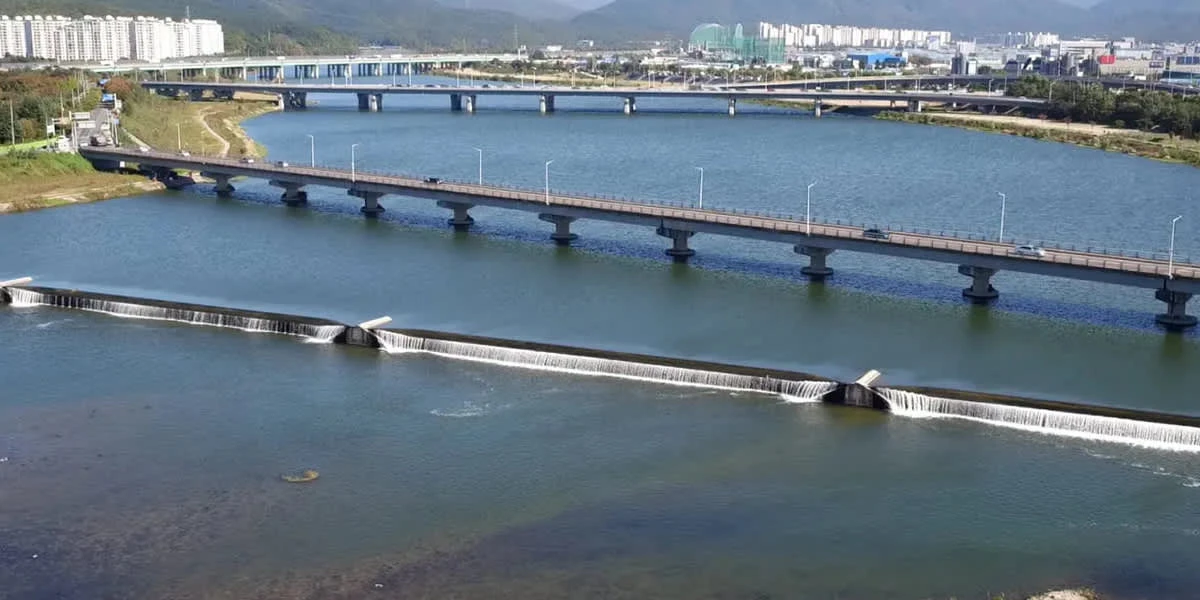
Let’s talk about the farmers. In 2026, the Pradhan Mantri Krishi Sinchayee Yojana (PMKSY) has prioritized "more crop per drop," but you can't get more drops if you can't store them. The rubber dams are the ultimate solution for tail-end farmers who often get nothing. These dams can be installed in as little as 4 months. That’s an entire growing season saved compared to concrete projects. We are seeing local groundwater tables rise by an average of 4 meters within two years of a Yooil installation. Is it magic? No. It’s just giving the water time to soak in before it rushes to the sea.