


Flooding is one of the rapidly increasing climate threats to urban cities worldwide. Heavy rainfalls, elevated river levels, coastal storm surge, and clogged drainage systems may turn streets into rivers within hours. Better flood barrier systems are being invested in by governments in order to safeguard people, property, and vital services. These modern solutions go beyond old sandbags and static walls. They use engineering and technology to act quickly, adapt to changing conditions, and save lives.
This blog explains the top flood barriers used today. It draws on current government data and real-world examples. The language here is clear and simple. The goal is to help anyone understand how modern floodwater barrier technology works and why it matters.
Around the world, national and local governments are waking up to the reality that floods cost lives and money. For example, the UK government reports that 1 in 4 homes could be at serious risk of flooding by 2050 without strong defences. Governments are now spending billions on flood defence projects to protect tens of thousands of properties from future floods.
Climate change is causing more intense storms. Sea levels are rising. Urban areas keep expanding, cutting natural drainage paths and sending water into streets faster. This makes old methods like sandbags and temporary walls less effective. Modern flood water barrier systems help cities adapt to this new reality.
The flood barriers of today are better than ever. Their design is smart with robust materials and technology to block water that is rising rapidly and consistently.
Self-rising barriers are built into city edges or river banks. They stay hidden underground until they are needed. When flood water rises above a set level, the barriers automatically rise to block the water. They work without humans on site. This type of flood water barrier is ideal for busy city areas where space is tight and a quick response is critical.
These systems use sensors and pressure triggers to detect rising water. When water pressure increases, the barrier pops up. Once the water goes down, it sinks back into place. This keeps public spaces clear and the city looking normal 99 percent of the time.
Modular flood barriers are flexible systems made of interlocking panels. They can be moved and set up where needed most. This makes them perfect for seasonal flooding or emergency situations.
One well-known example is the AquaFence system. It uses waterproof, strong panels that lock together to form a temporary shield against flood water. These panels are easy to store and reuse, making them a good choice where floods happen often but not all the time.
Portable barriers are also being used in pilot projects on roads to keep key transport links open even when water rises. Sensors linked to these systems can alert authorities in real time so barriers go up before the water hits.
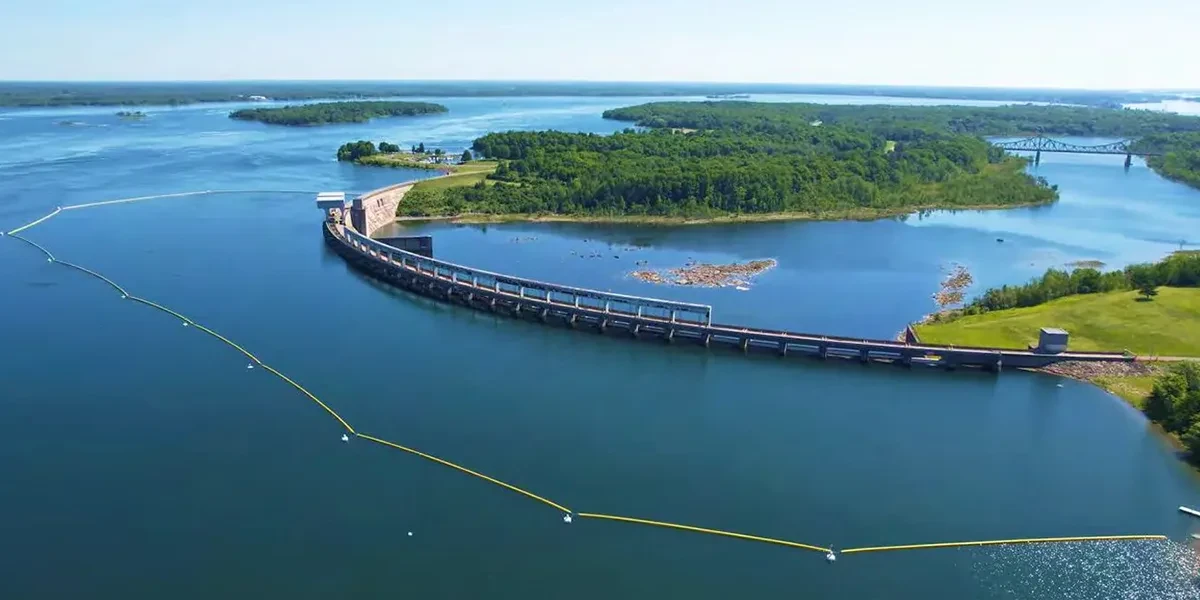
For coastal cities and big river deltas, large storm surge barriers are a major defence. These are massive movable structures built across water inlets and channels. When weather forecasts predict high tides or storm surges, the gates close and protect the city behind them.
Famous examples include:
These systems are costly, yet they are very efficient in large cities that have recorded catastrophic floods.
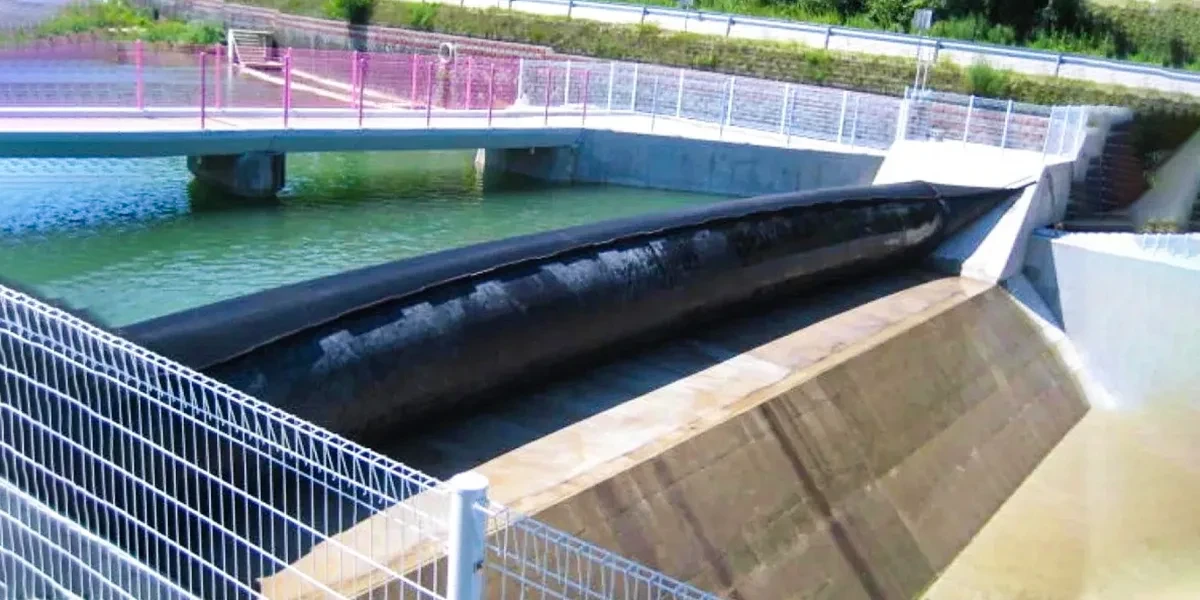
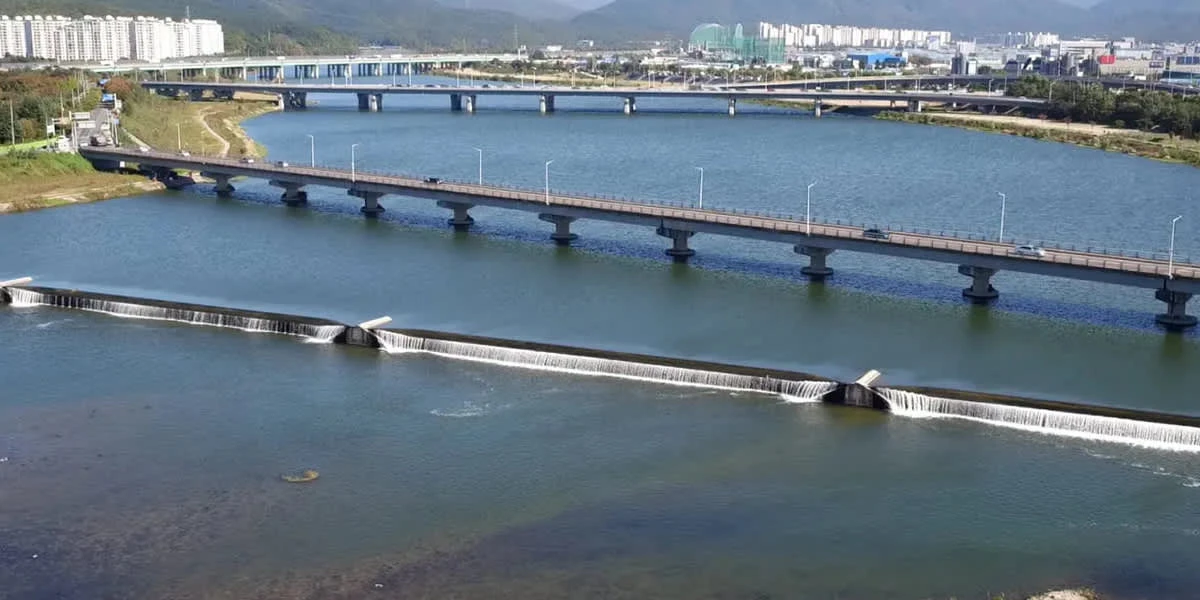
Floodgates are special gates installed along rivers and canals. When rivers overflow, they are closed in an attempt to prevent the entry of water into urban territories.
The Seabrook Floodgate in the United States, which is located near New Orleans, serves to protect major industrial and residential properties against storm surge and river floods.
These gates are usually part of a larger network that includes levees, pumping stations, and drainage improvements. They play a key role in cities at risk from hurricanes and tropical storms.
Flood protection is not just about steel and concrete nowadays. Natural systems that help slow down water and absorb excess runoff are also being invested in by governments.
This includes:
These nature-based approaches work well with engineered flood water barrier systems. They reduce pressure on hard defence structures and improve the local environment at the same time.
Today’s flood defence planning uses real numbers and predictions from governments and research. Data on flood risk, rainfall, sea level rise, and property values help cities decide what types of flood barriers to build.
For example:
This planning uses sensors, data forecasting, and smart modelling tools so cities can respond before flood water reaches dangerous levels.
Modern flood water barrier systems are not just better engineering. They help cities do three important things:
Millions of people live in flood-prone areas. Strong barriers reduce the risk of life-threatening floods and make cities safer.
Flood damage costs billions every year. Investing in flood barriers now can cut emergency response and repair costs later.
Cities can grow without fear of shutting down every time it rains hard. This gives residents confidence and supports long-term economic stability.
Market reports show that the global flood barrier industry is growing fast. This growth reflects increasing demand for flood barriers around the world.
At Yooil Envirotech, we specialize in the current flood water barrier systems, which assure governments and cities of safety. We have solutions in the form of modular barriers, intelligent sensors, and creative designs that collaborate with nature in order to secure the communities. We think that each city needs protection, which is dependable, economical, and intelligent.
Our work aligns with global efforts to reduce flood risk, save lives, and build stronger cities for the future.