
Water management is an essential aspect of the modern world and as the demand for water increases, it becomes crucial to adopt efficient and environmentally friendly techniques. Rubber dam technology emerges as a transformative solution with immense potential. Its versatility, efficiency, and environmental consciousness make it an ideal choice for optimizing water distribution, conserving precious resources, and mitigating the impacts of floods. By harnessing the power of rubber dams, we can embark on a path towards a more sustainable and resilient future, ensuring water security for generations to come.
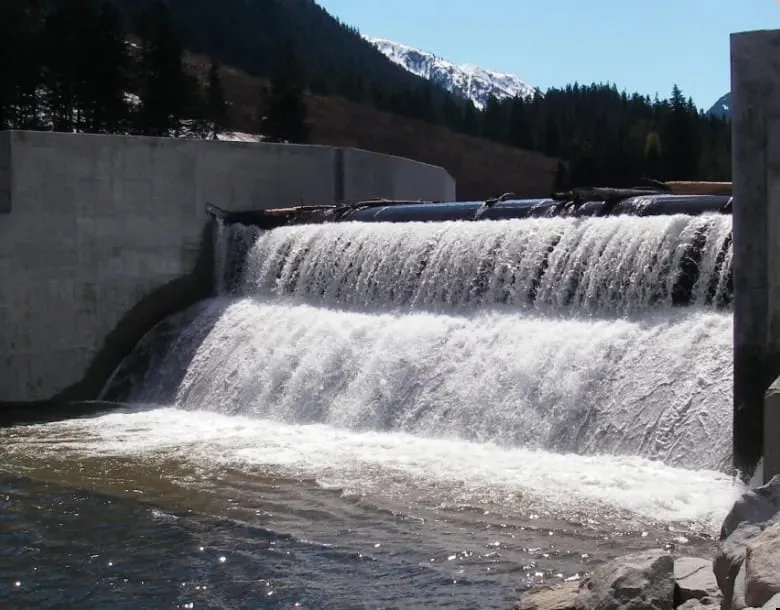
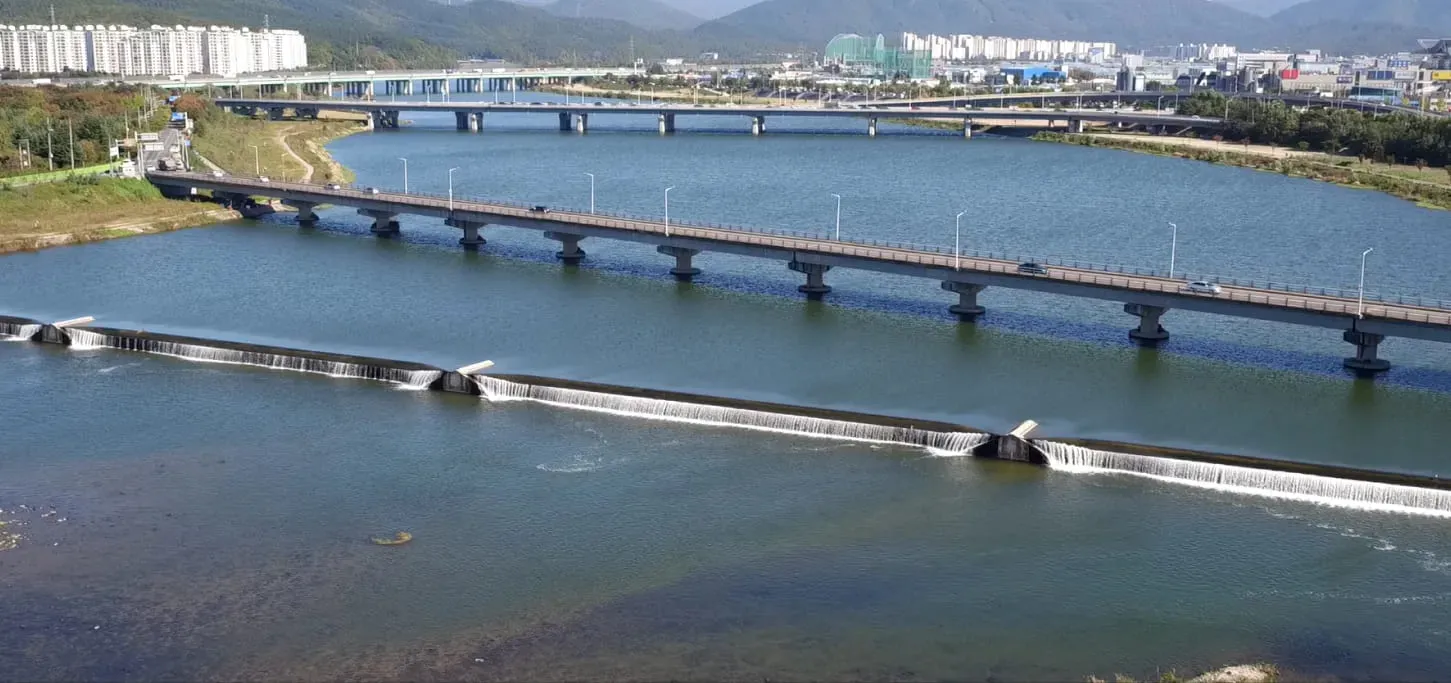
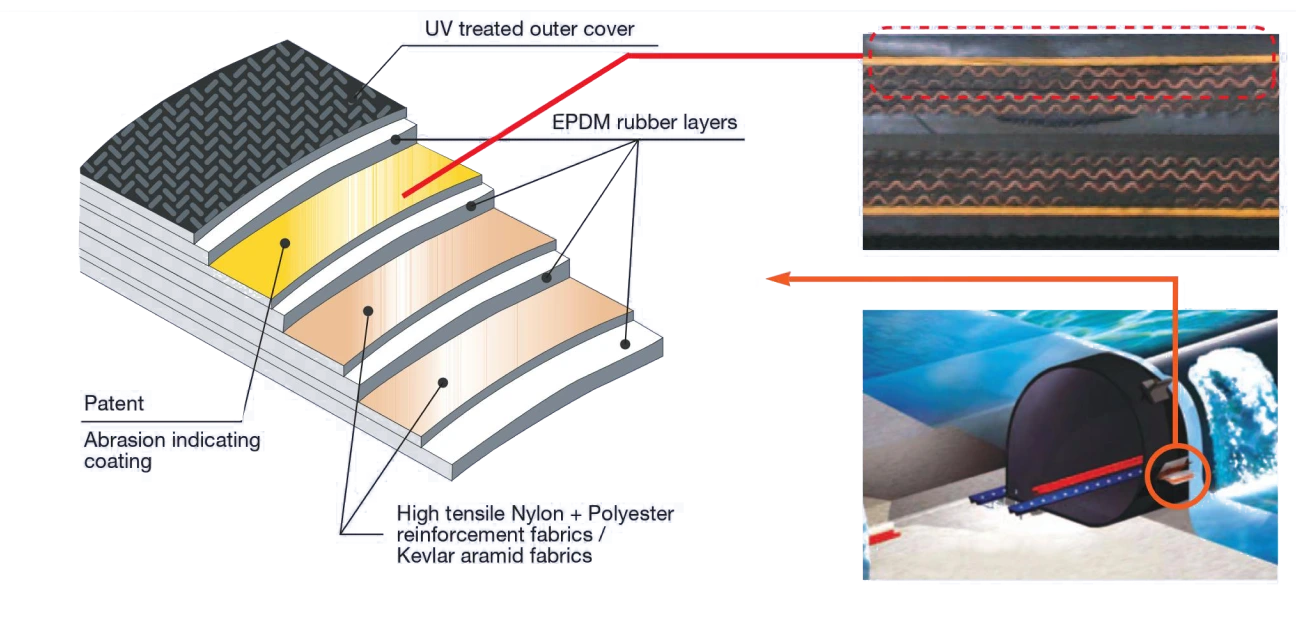
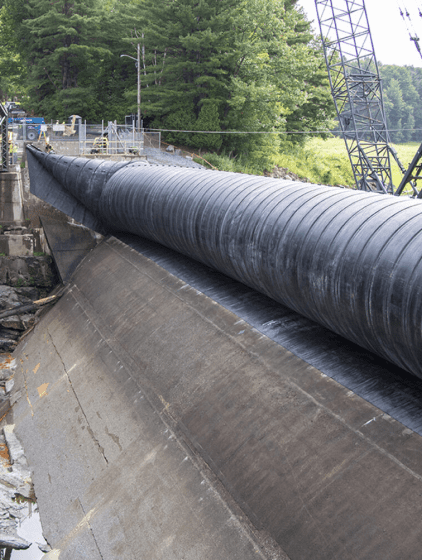
Rubber dams are hydraulic structures that control water in a more flexible manner than traditional water retention structures such as barrages, weirs, anicut and check dams. It is an air-powered flexible elliptical structure made up of high-strength rubberized material and attached to a strong concrete base. When inflated, they act as a weir and hold water; when deflated, they act as a flood mitigation mechanism and provide automatic sediment flushing. Around the world, more than 4500 inflatable rubber dams have been put into service.

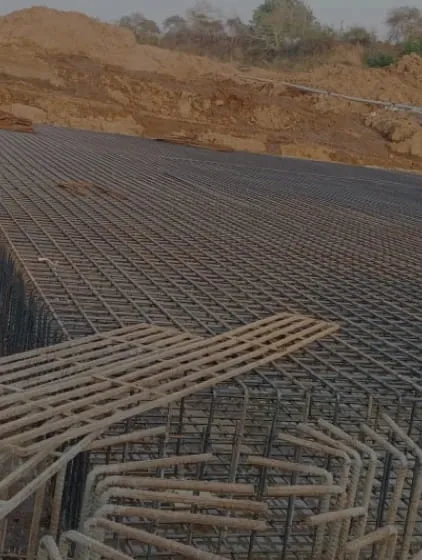
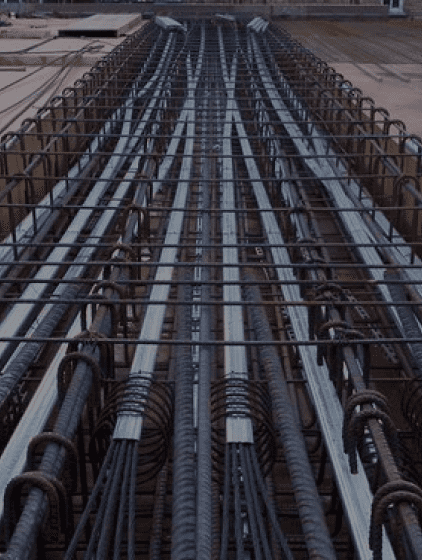
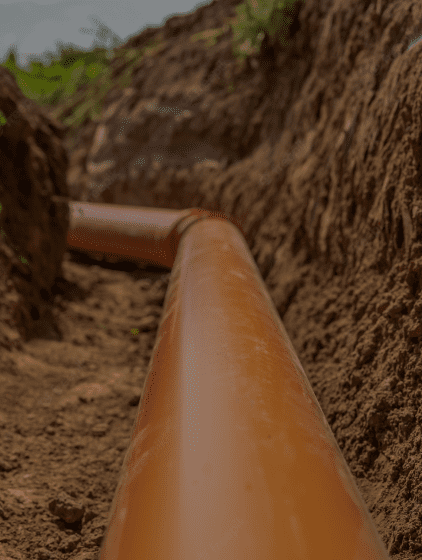
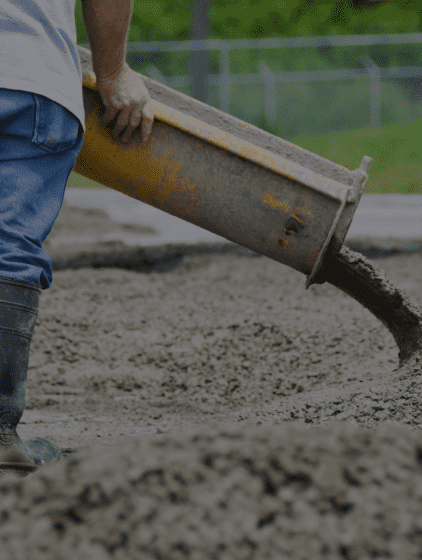
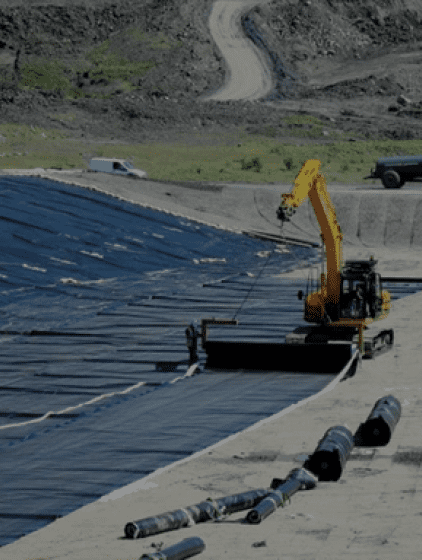
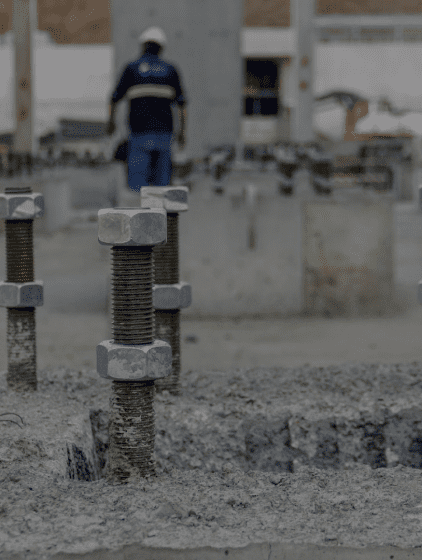
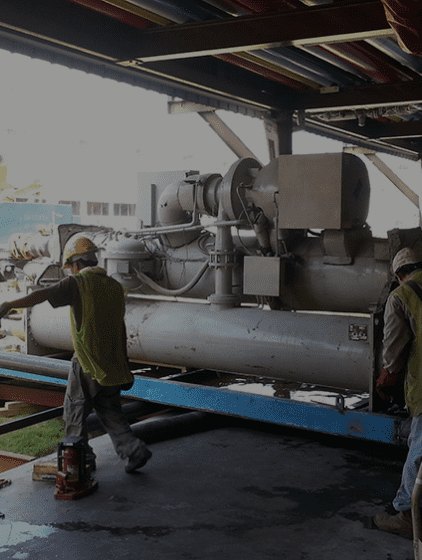
The installation process for rubber dams in water management involves several steps to ensure proper water management and optimal functionality. It’s important to note that the specific installation process may vary depending on the design, size, and location of the rubber dam, as well as the project requirements and local regulations. Professional expertise and adherence to safety protocols are crucial throughout the installation process. Here's a general outline of the typical installation process.


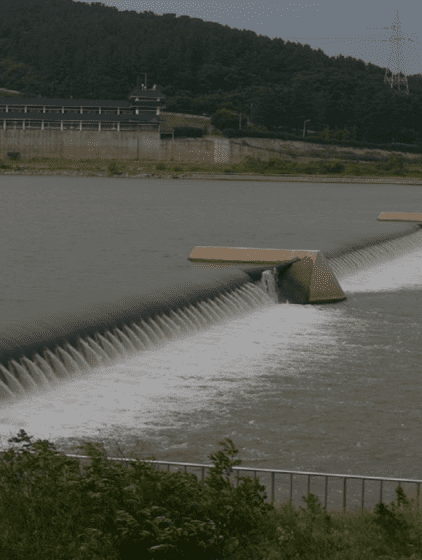
Rubber dam technology offers several advantages in water management, making it a valuable tool for a wide range of applications. Some of the key advantages include:

These are often more cost-effective than traditional concrete dams. They require less capital investment during construction and have lower maintenance costs over their lifespan. Their flexibility and ease of installation also contribute to cost savings.

It provide precise control over water levels and flow rates. They can be inflated or deflated as needed to regulate the amount of water passing through, allowing for efficient water management. This is particularly useful for irrigation systems, hydropower generation, and maintaining environmental flow requirements.

These can be used in various water management scenarios, including irrigation, flood control, water diversion, hydropower generation, and maintaining environmental flows. Their flexibility and adaptability make them suitable for different situations and water bodies.

Unlike concrete dams, rubber dams have minimal environmental impact during construction and removal. They do not require extensive earthworks or dam foundations. They are eco-friendlier and more sustainable.

Rubber dams can be used to create small-scale hydropower facilities. By controlling water flow, they can maintain a steady supply of water to turbines, enabling a reliable and efficient power generation system.

These are versatile and adaptable to different water management needs. They can be customized in terms of size and shape to fit specific water bodies, and their inflatable nature allows for adjustments in water levels based on changing requirements.

it enables precise control of water flow, which facilitate efficient water distribution for irrigation purposes. This reduces water wastage and enhances water conservation efforts, ensuring that water resources are used optimally.

One of the primary benefits of rubber dams is their ability to act as flood barriers. During heavy rainfall or flooding events, the dams can be quickly inflated to create a barrier that prevents or mitigates floods. Once the flood threat passes, the dams can be deflated and stored for future use.

Rubber dams can be rapidly installed and inflated, providing a quick response to changing water flow requirements. They can also be easily deflated and adjusted to accommodate fluctuating water levels or operational needs.
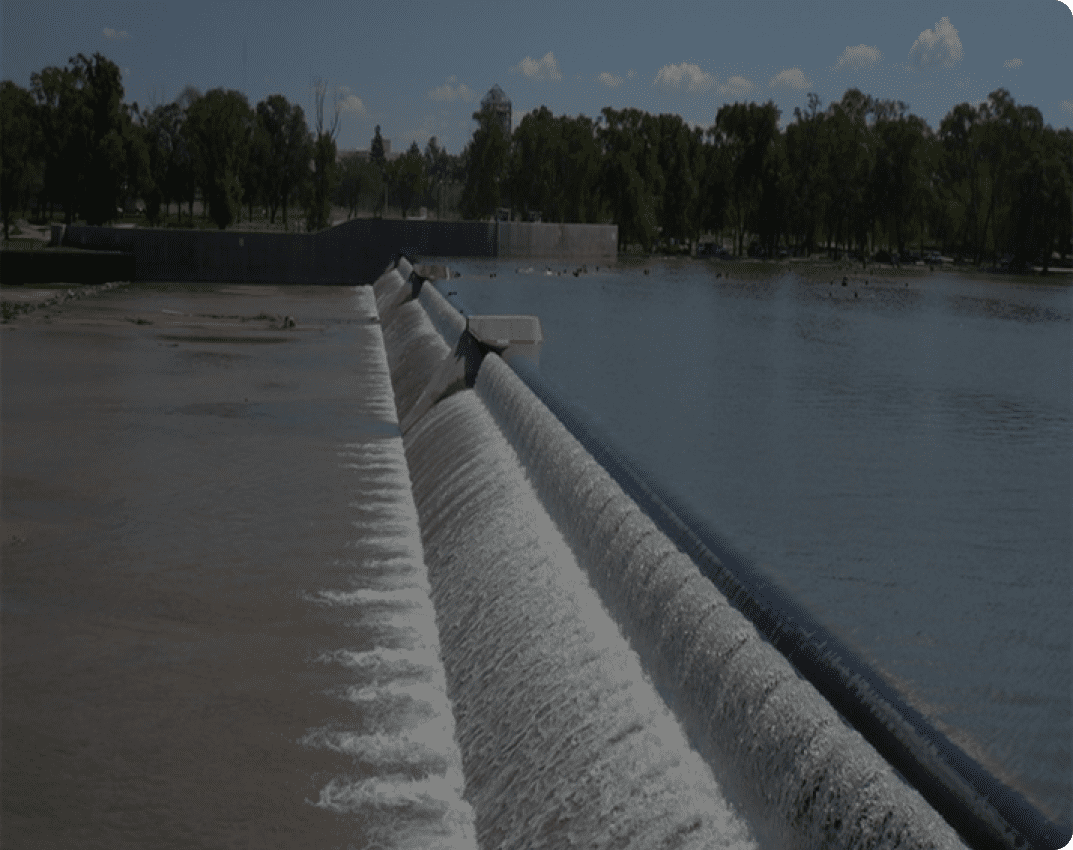
It can assist in groundwater recharge by capturing and directing surface water into the ground. This process helps replenish aquifers and maintain groundwater levels.
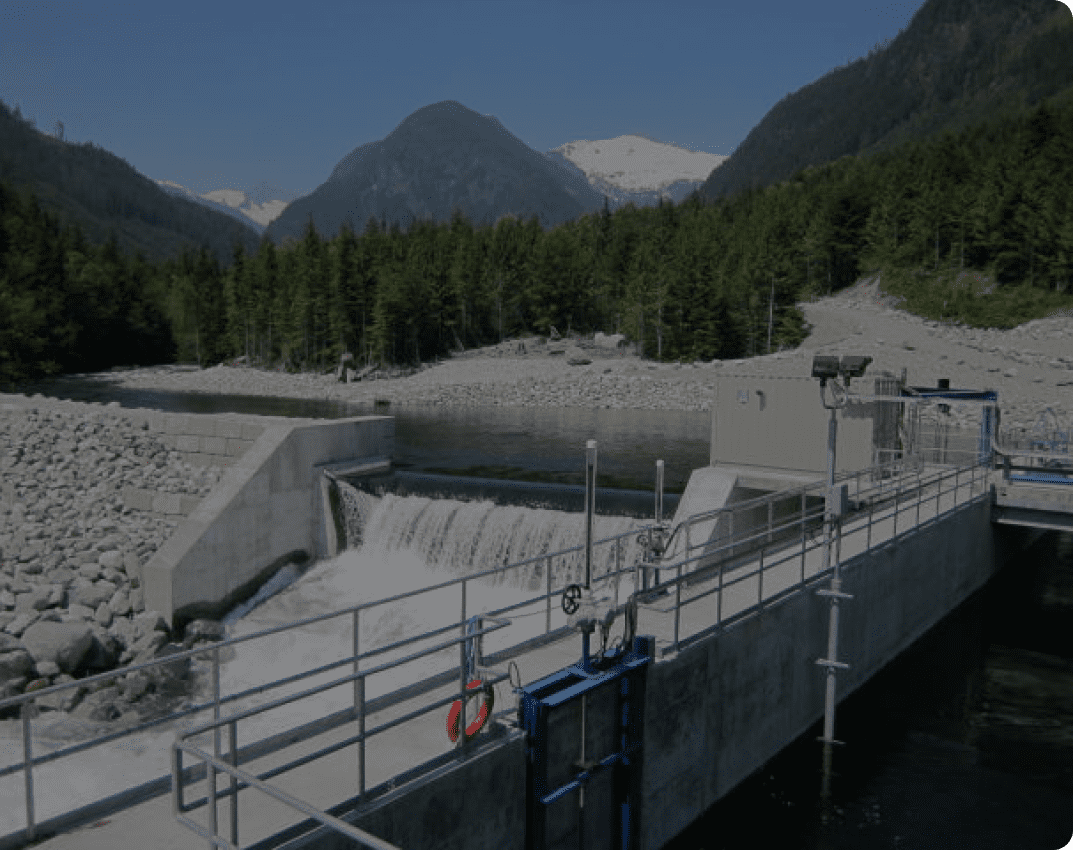
Rubber dams are used as a diversion structure to create a small-scale hydropower facility. They can maintain a steady supply of water to turbines, enabling a reliable and efficient power generation system.’
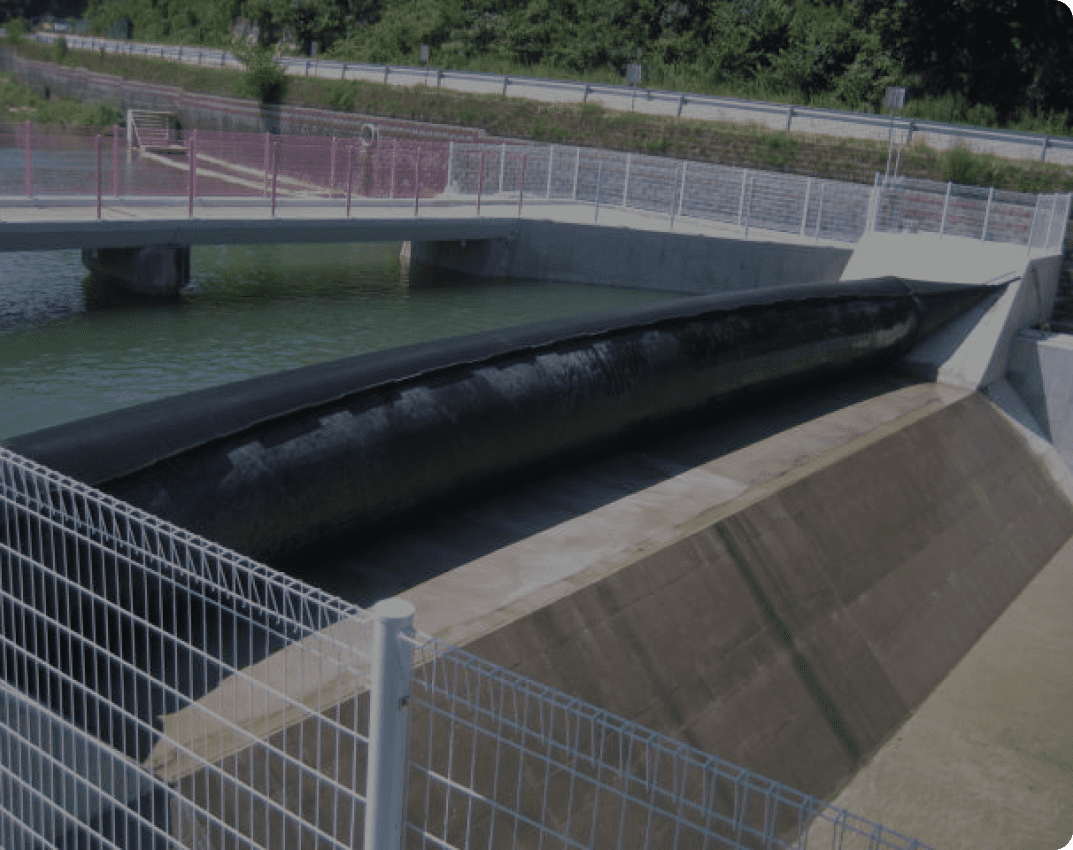
Rubber dam technology offers a promising solution for increasing the storage capacity of existing dams or reservoirs. These flexible, inflatable barriers can be placed across the dam's spillway, creating an additional storage area behind them. They store excess water during periods pre and most mansoon and releasing it as needed during dry spellsand ensuring a more consistent water supply for downstream communities.
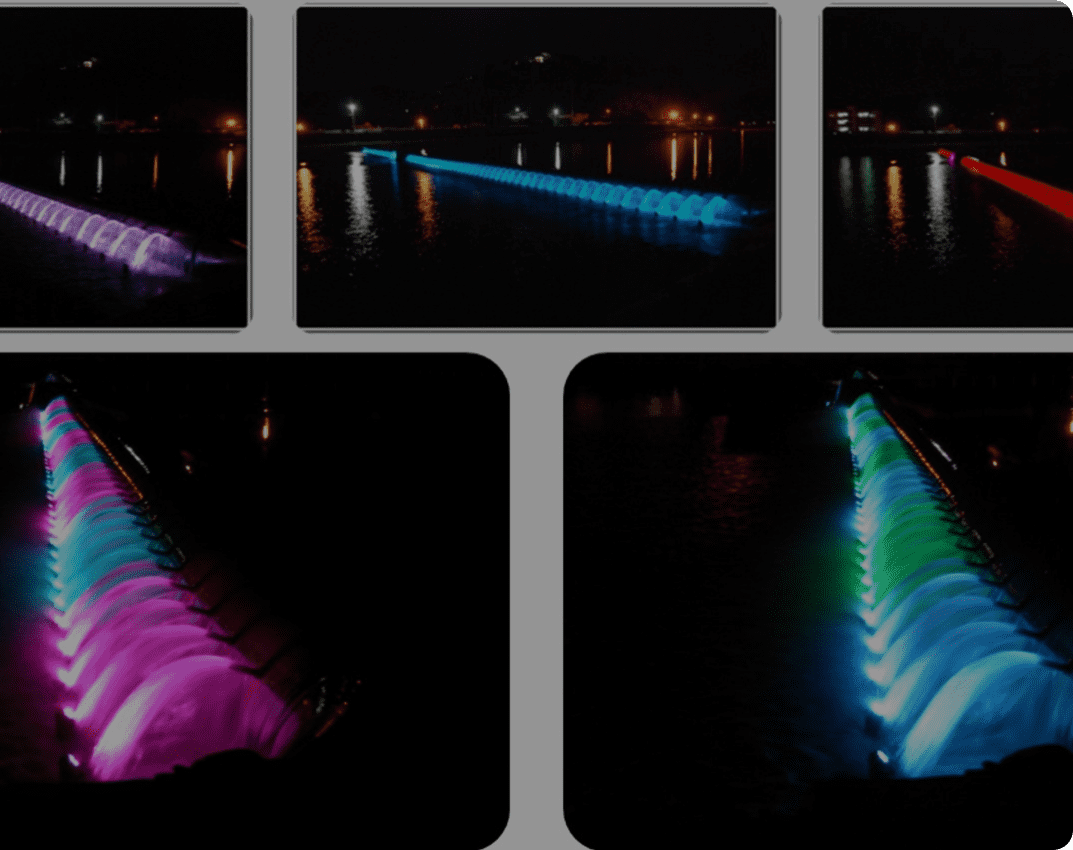
Rubber dams are used for river rejuvenation andin the creation of recreational water bodies such as lakes or ponds. These water bodies enhance the aesthetics and recreational value of an area.
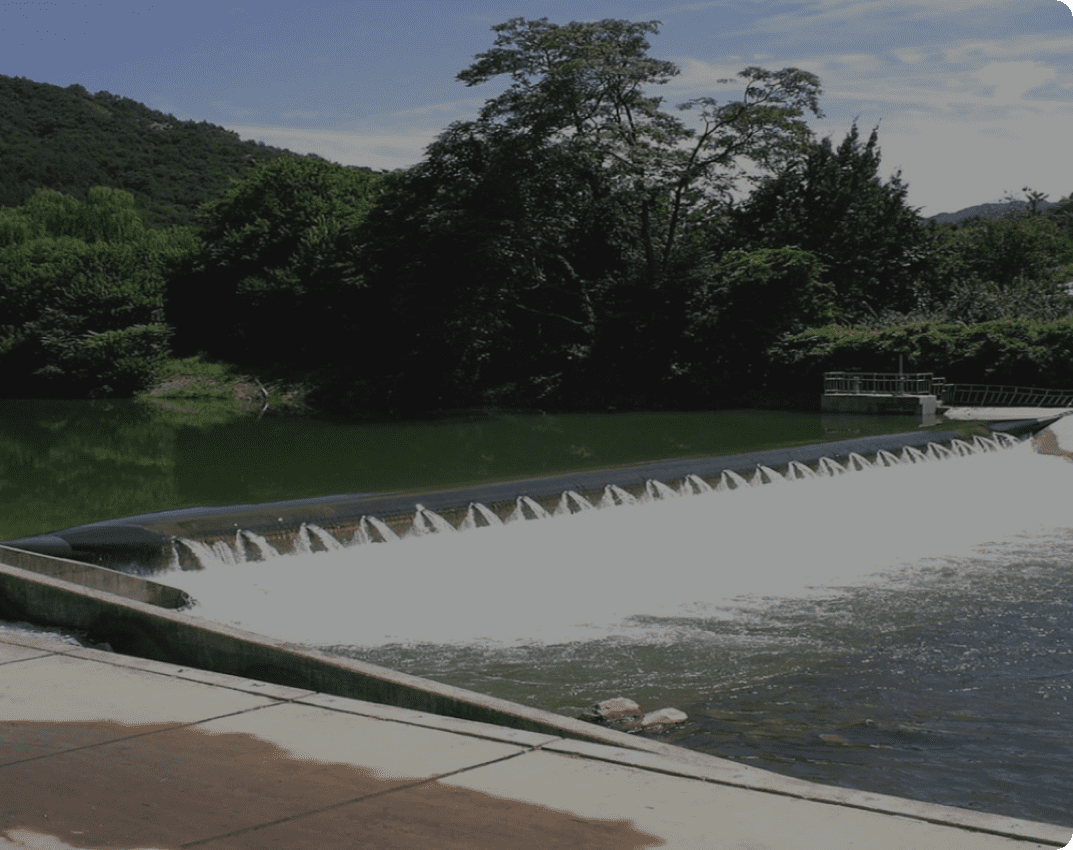
Rubber dams can create temporary or seasonal water storage by impounding water in rivers or streams. This stored water can be used during dry periods, droughts, or for agricultural irrigation, providing a valuable source of water management and supply.
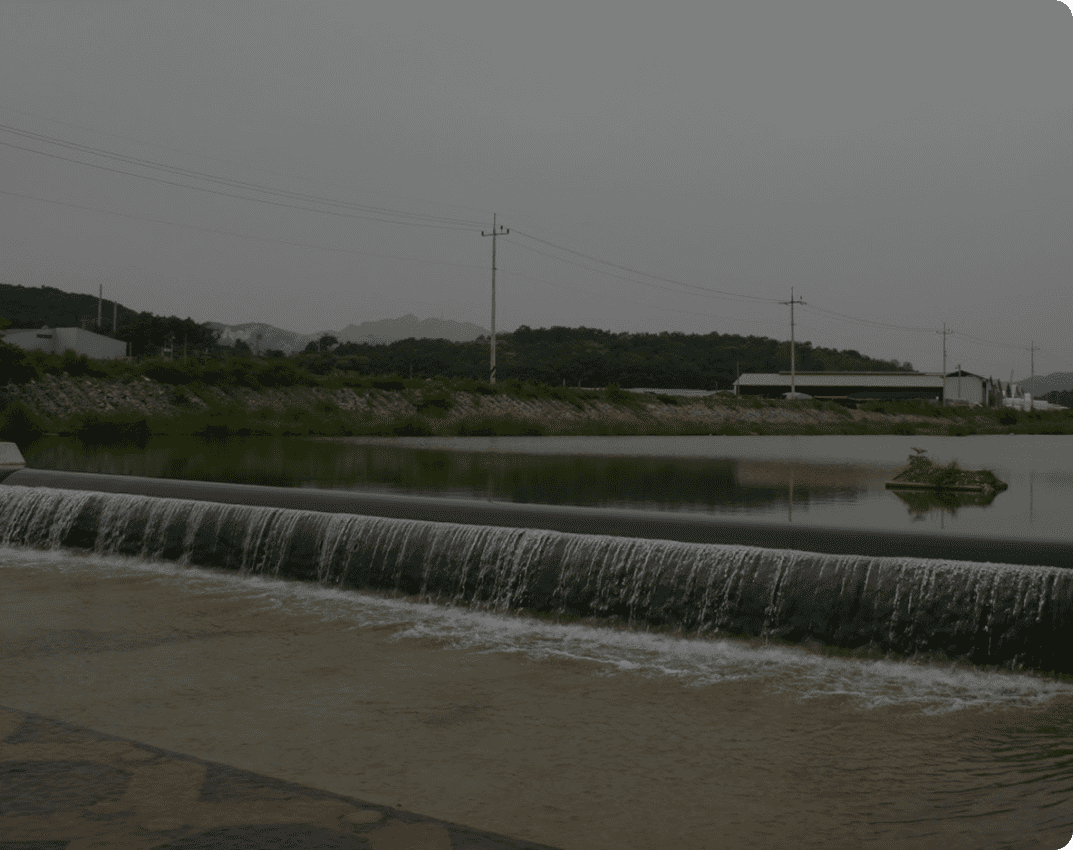
Rubber dams can be strategically placed along rivers and streams to create reservoirs for irrigation, domestic and industrial use. They provide steady supply of water for agricultural purposes, ensuring efficient water distribution and reducing water wastage.
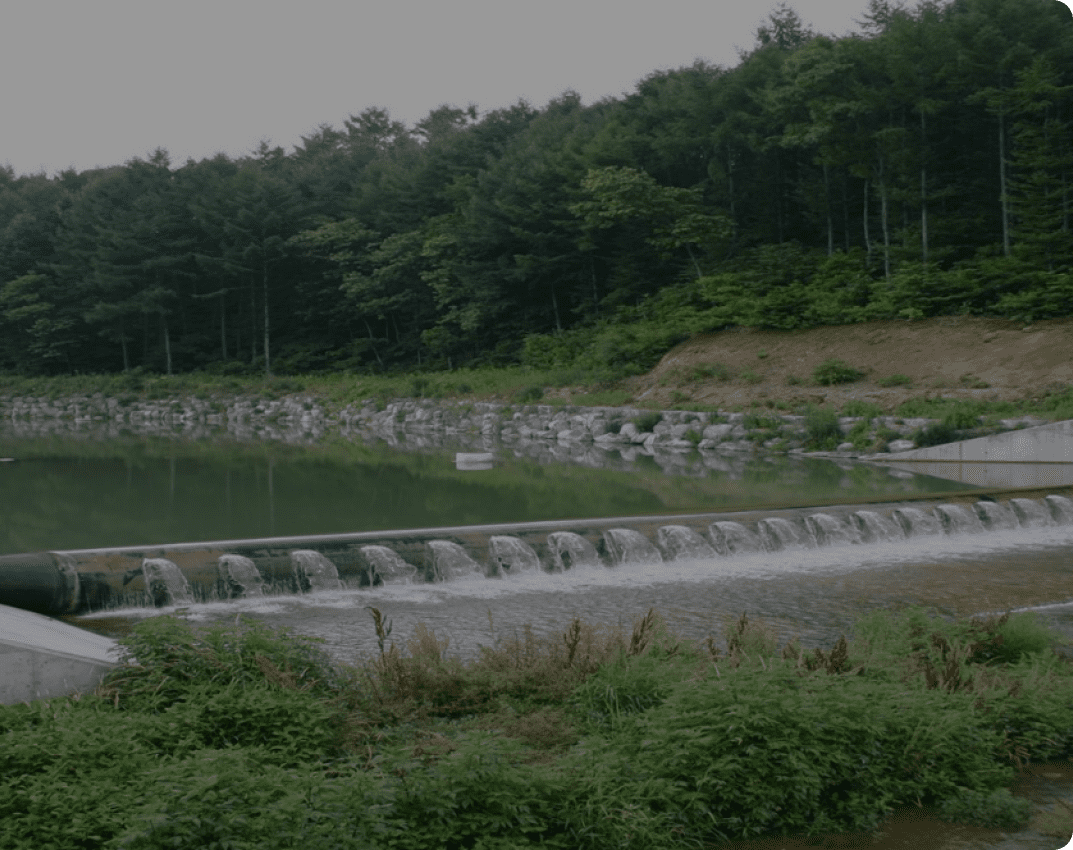
Rubber dams have been used as part of environmental restoration projects. They can help create wetlands or enhance existing aquatic habitats by modifying the water flow and allowing for the establishment of diverse ecosystems.
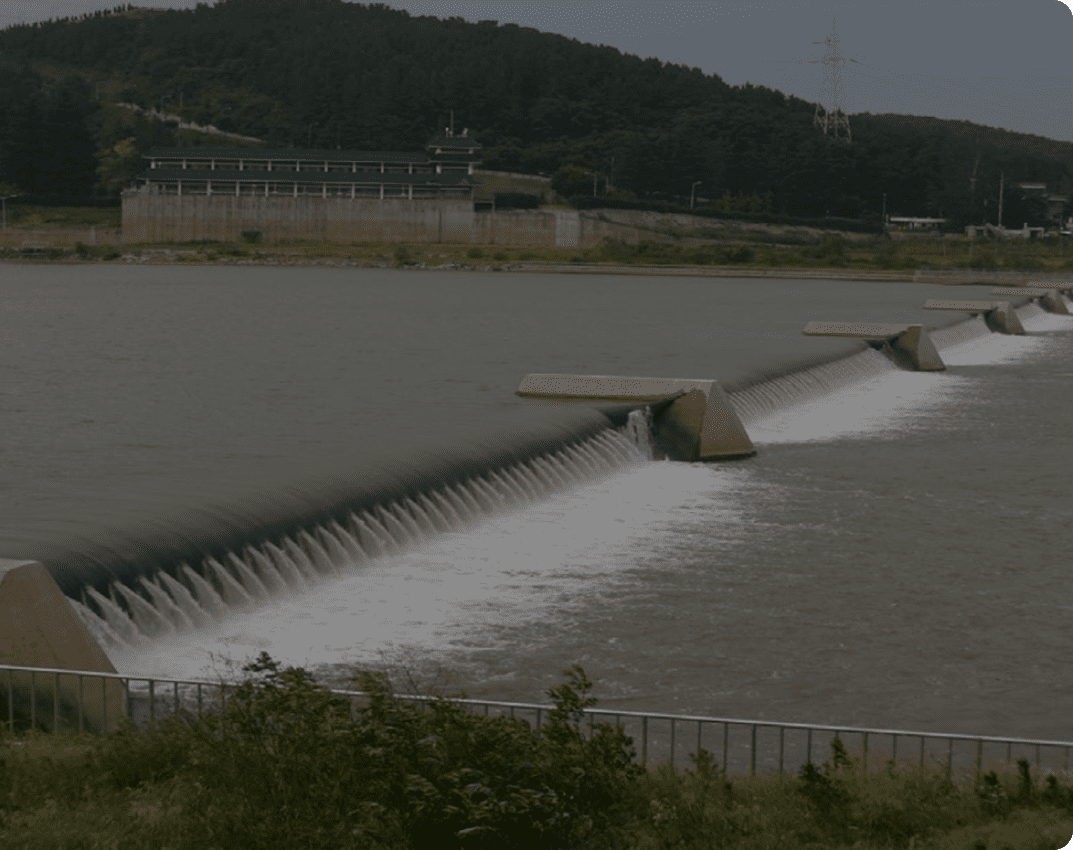
Rubber dam are used to conserve water by creating reservoirs during pre and post mansoon flows and maintaining minimum flow levels in rivers for ecosystem support.

Our Rubber Dams are manufactured using top-grade materials, ensuring exceptional quality and performance.

Backed by years of experience in the industry, we deliver reliable solutions tailored to meet your specific water management needs.

We are committed to environmental responsibility, offering eco-friendly options that minimize ecological impact.

We understand that every project is unique. Our team works closely with you to provide customized solutions that align with your requirements.

We provide comprehensive technical assistance throughout the project, from planning to installation, ensuring successful outcomes.